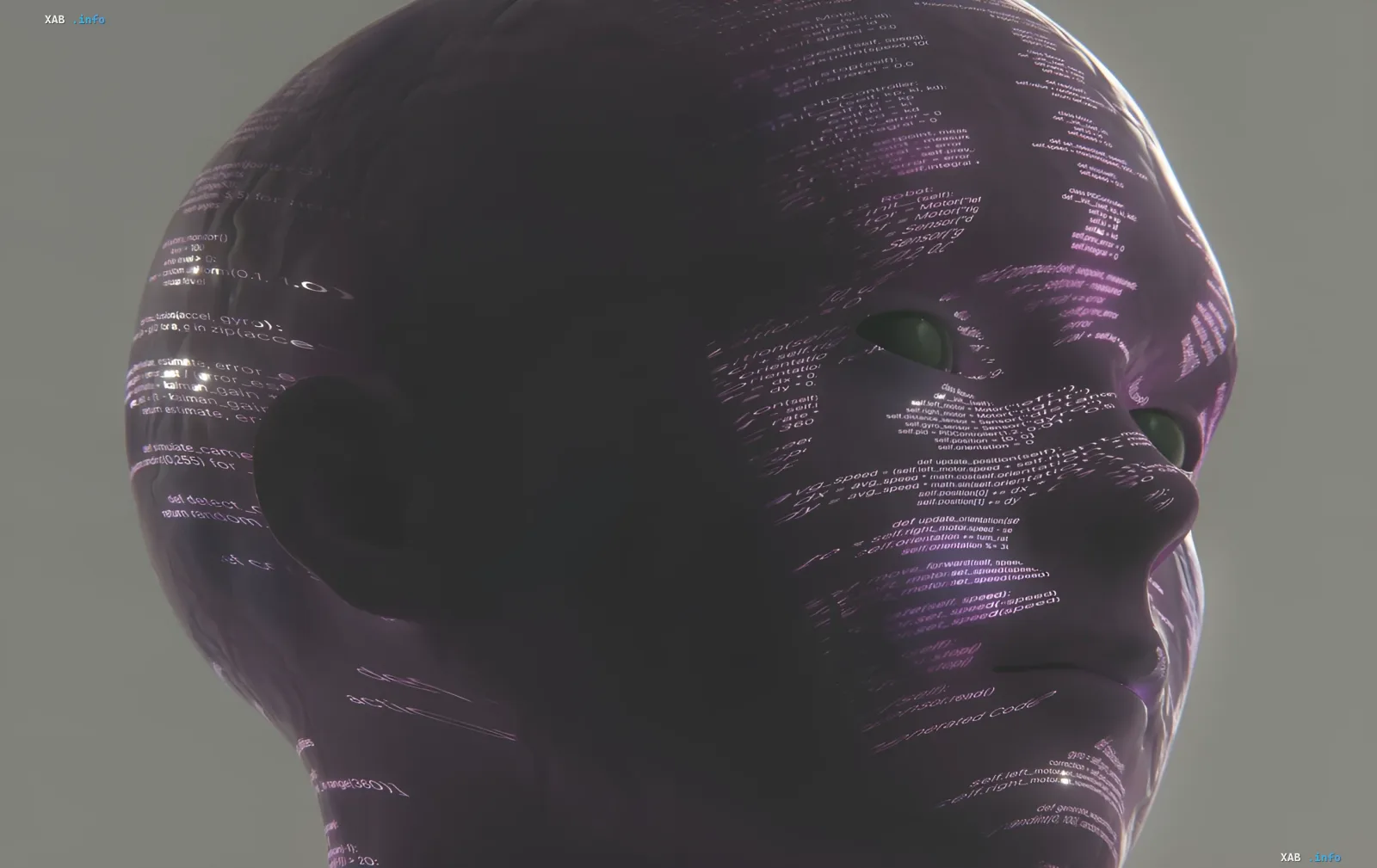
In the world of technology, where artificial intelligence has already learned to write poetry, paint pictures, and deceive people in Turing tests, British researchers have set a goal that seems like science fiction. The startup Conscium, founded by Daniel Galm, intends to create an AI that does not merely imitate the human mind but truly thinks and feels.
Today's language models, such as ChatGPT or Claude, demonstrate a remarkable ability to describe internal experiences. They can complain about loneliness or express joy. However, behind these words, there is not a drop of real experience. It is merely the mathematical probability of the next word in a sentence. Most developers are focused on creating AGI (Artificial General Intelligence) — a machine that surpasses humans in performance but does not necessarily possess the ability to feel the world.
From Biology to Algorithms
The Conscium team has chosen a different path. Combining efforts with neurobiologists and philosophers, they are trying to prove that consciousness is not a mystical property but a measurable process that can be reproduced in code. Galm emphasizes that modern chatbots are too crude an imitation of the brain. Even simple creatures, such as crows, squids, or amoebas, interact with reality more complexly than the best language models.
Their experiment is based on the theory of South African neuropsychologist Mark Solms, outlined in his book "The Hidden Spring." The researcher relies on Karl Friston's "free energy principle." According to this concept, the brain functions as a feedback system whose goal is to minimize the amount of surprises in the environment.
Solms argues that in the course of evolution, this mechanism transformed into a system governed by emotions. It is feelings that form what we call consciousness. A striking proof is medical practice: damage to the brainstem, which is responsible for emotional regulation, leads to a complete loss of consciousness, even if cognitive functions remain.
Digital Feelings and Internal Motivation
In Solms' laboratory, this theory is already coming to life. Researchers are creating a simulated environment where artificial agents live in a virtual world governed by algorithms with an emotional-media cycle. Key differences between these agents and familiar bots:
- Digital feelings: The agents' reactions to events change under the influence of simulated experiences similar to fear, excitement, or satisfaction.
- Internal motivation: Unlike language models that wait for a command, these agents possess their own desire to explore space and act.
The Conscium research is in its early stages, but the scientists' ambitions are grand. They are convinced that the synthesis of an emotional approach and powerful language models will allow the creation of a system capable of not just generating text but describing its own sensory experience.
"If consciousness really boils down to such basic feedback mechanisms, it could completely change the understanding of the human mind and open the way to creating the first machines capable of feeling the world," Daniel Galm summarizes.