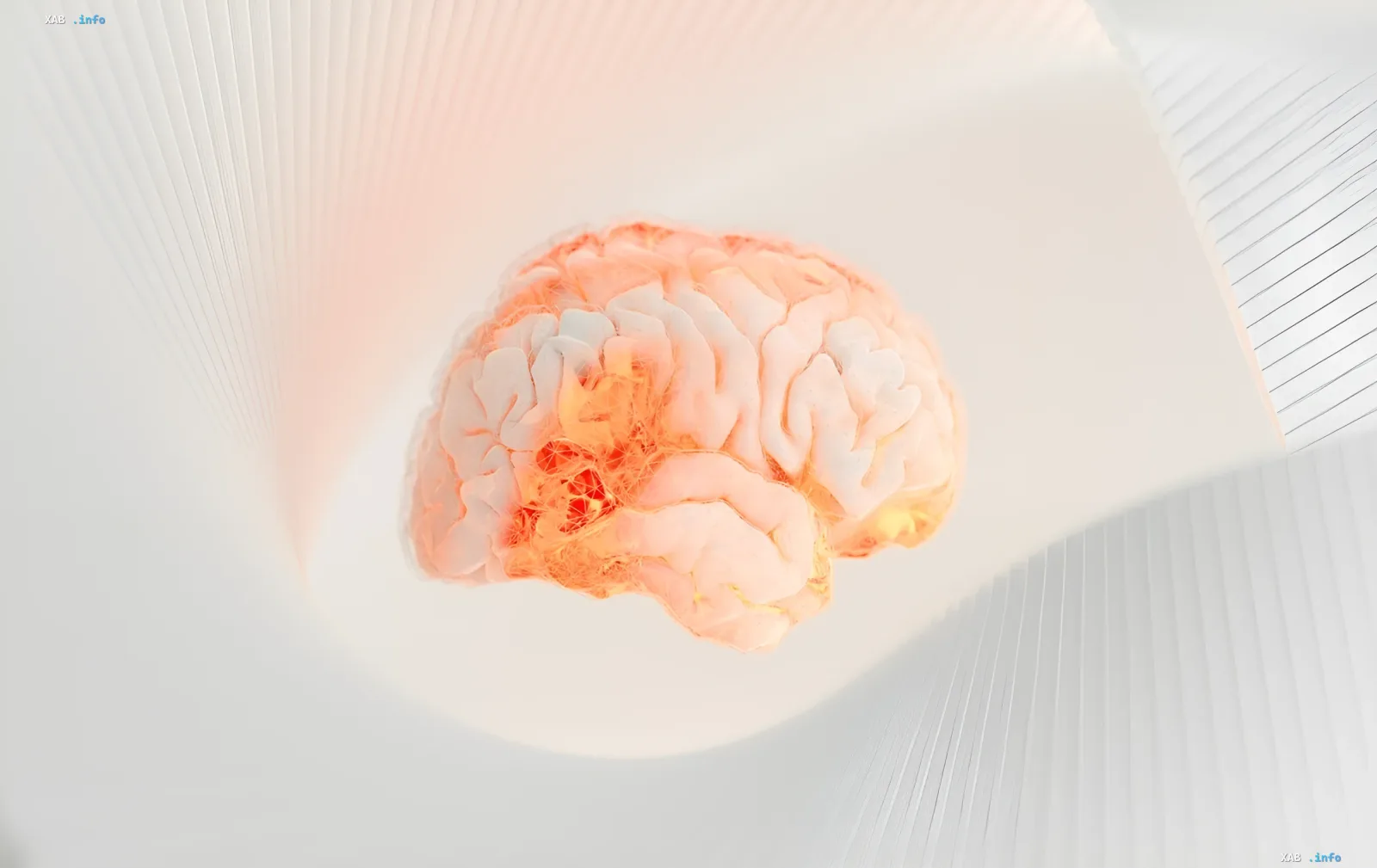
A quiet revolution is brewing in the world of artificial intelligence. American billionaire Jeff Bezos has funded the creation of the secret startup Flourish, which is already valued at $2.5 billion. The goal is ambitious: a team of leading scientists intends to completely rethink the architecture of modern neural networks, abandoning current approaches in favor of copying the principles of the human brain.
The AI Energy Crisis
The creators of the project explain their motivation with a simple fact: popular services today, such as ChatGPT or Google assistants, have become "catastrophic" consumers of resources. Despite the fact that the idea of neural networks was originally borrowed from biology, modern digital models have little in common with a living organism.
Researchers highlight three critical problems in the industry:
- Crazy energy costs. Processing data requires the human brain to consume about 20 watts. Meanwhile, a single chip in an AI training cluster consumes 30 times more.
- Gigantic scale. Large data centers require entire gigawatts of electricity, comparable to the needs of small cities.
- Limited learning. After training is complete, modern models remain "frozen" and are unable to adapt to new conditions on their own without expensive retraining.
Fly Efficiency vs. Transformers
Developers are trying to overcome this barrier by turning to nature. For a computer to learn basic speech, it needs to process billions of pages of text. An ordinary child, however, masters speech after hearing only a few hundred thousand words.
Leading the project is Thomas Riedon — one of the creators of the first Microsoft web browser and a developer of neural interfaces for Meta. He has assembled a team of more than 20 leading specialists to search for the fundamental algorithms of natural intelligence.
The focus of the researchers is on cortical columns — the basic computational elements of the cerebral cortex. Recent studies of the fruit fly's nervous system have shown a surprising result: its biological network turned out to be 10 times more efficient than the "transformer" architecture on which all modern chatbots are based.
From Microscopes to Smartphones
To study these processes, the startup is purchasing high-precision electron microscopes. Scientists analyze cell structure and neurobiological mechanisms at the nano- and micro-levels to transfer the identified mathematical principles to silicon microcircuits.
Creating a full-fledged analog of the human brain is a long-term task, planned for 7–10 years. However, Flourish plans to release its first commercial products in the near future.
Currently, developers are designing a memory system that replicates the functions of the biological hippocampus. This approach will allow AI models to learn directly during operation, avoiding lengthy retraining on servers. The startup's management is already in talks with a major semiconductor manufacturer to integrate these algorithms into mobile processors. In the long run, this will allow high-performance artificial intelligence to run locally right on smartphones.


