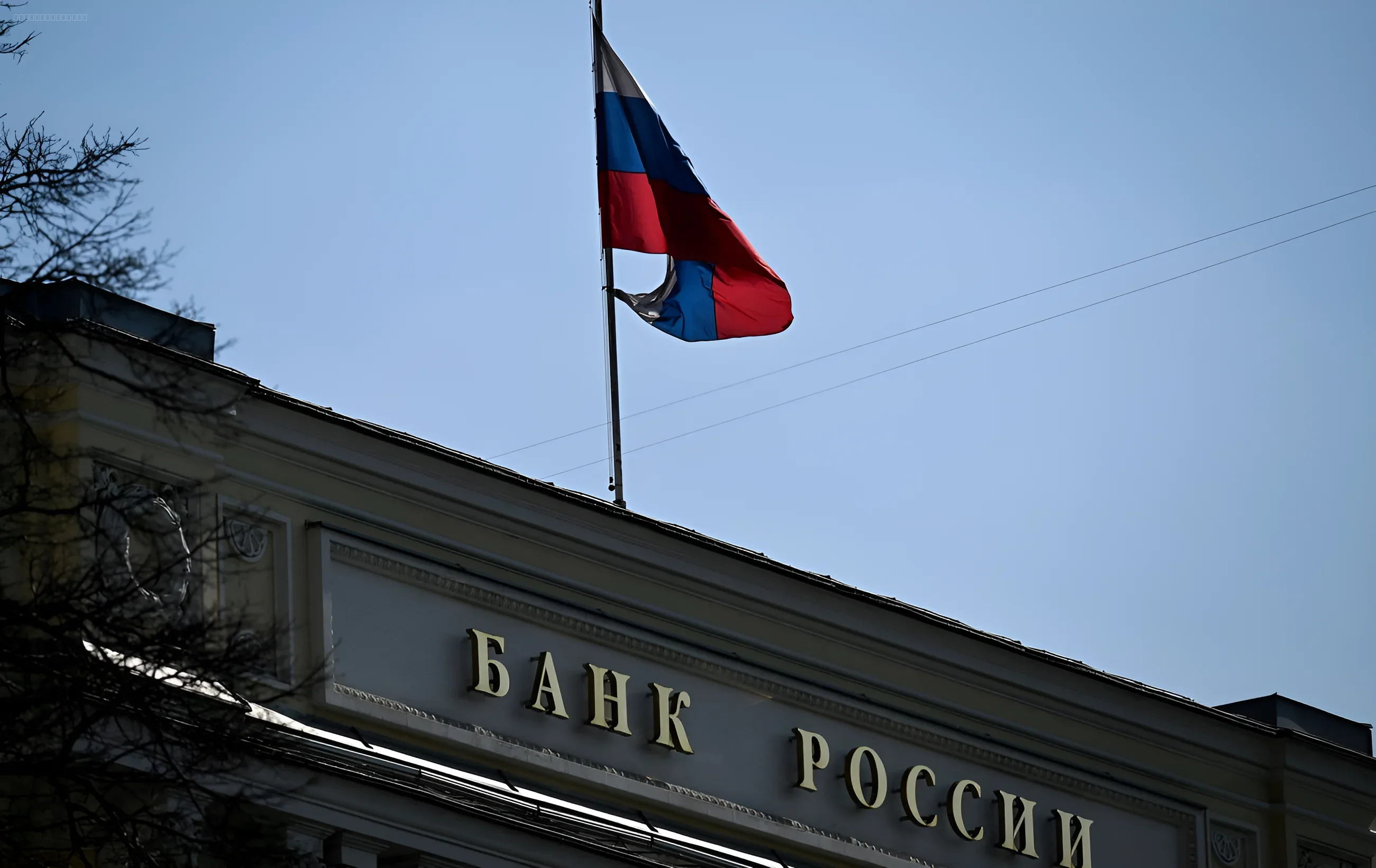
The financial war between Russia and the West has reached a new level. The Moscow Arbitration Court has granted the request of the Central Bank of the Russian Federation for the immediate enforcement of a ruling to seize a colossal sum from the Belgian clearing company Euroclear—approximately $252 billion. This decision is a response to the freezing of Russian assets by the European Union following the start of the full-scale invasion of Ukraine.
A Symbolic Blow or a Real Threat?
Experts agree that the Russian court's ruling will likely remain on paper. The jurisdiction of Russian courts does not extend to EU countries, and European legislation reliably protects Euroclear, which complies with sanction requirements. However, Moscow is not giving up attempts to find loopholes. According to Reuters, Russia may attempt to seize Euroclear assets in other jurisdictions that Moscow considers "friendly"—specifically in China, Kazakhstan, and the UAE.
A Legal Duel
The lawsuit against Euroclear was filed back in December of last year, when the EU began promoting a mechanism to use frozen Russian assets to support Ukraine. On May 15, the court already issued a ruling on the seizure of damages, and now has allowed its immediate enforcement. Lawyers for the Belgian company sharply criticized the course of the proceedings, pointing to a violation of procedural norms: the hearings were scheduled only two days in advance, which deprived them of the opportunity for a full defense.
Positions of the Parties
The Central Bank of the Russian Federation called the decision fair, arguing that delaying the process only exacerbates the violation of Russia's rights. "The Bank of Russia considers the decision on immediate enforcement fair, as the court took into account not only the continuing nature of the violation, but also the real risk that any delay will further postpone the restoration of violated rights," the regulator's statement says.
Background: Money is Going to Ukraine
It should be recalled that the European Union is already using income from frozen Russian assets to help Ukraine. In early April, the EU allocated 1.4 billion euros to Kyiv, obtained from interest on assets of the Russian Central Bank. The majority of these funds are directed towards paying off loans and financial support for Ukraine, while a part is allocated for military and defense needs through the European Peace Facility.


