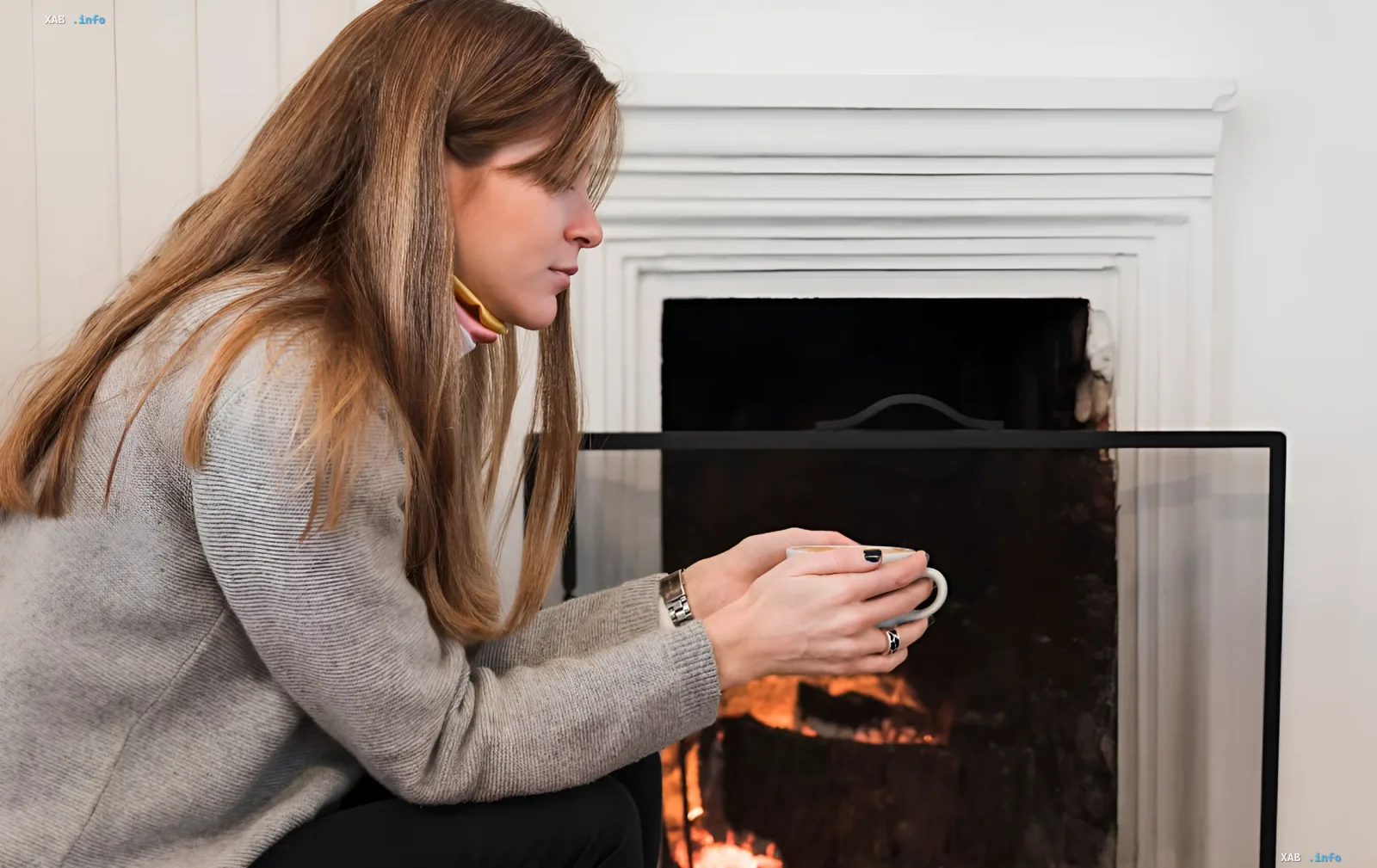
Uncertainty over the start of the heating season is once again forcing Ukrainians to look for independent ways to heat their homes. An active discussion has flared up on the social network Threads, sparked by a post from user vladaeya, who explained that, given the unclear situation with central heating, she is considering two options: a biofireplace running on alcohol and a gas heater. According to her, both devices cost roughly the same, but aesthetically and psychologically she prefers the biofireplace — due to concerns about using gas in an enclosed space. The author of the post also separately asked where in Kyiv gas cylinders can be officially refilled.
Calculations and experience: what the commenters say
In the comments, users began sharing their own experience and figures. One participant of the discussion skeptically assessed the effectiveness of a biofireplace as a heat source for an entire apartment: “It will indeed raise the temperature for a while, but because of the cold walls it will all just as quickly turn out the same. It’s more about sitting nearby and warming up situationally.” She also cited fuel consumption data — from 0.25 to 0.5 liters of biofuel per hour at an average price of around 100 hryvnias per liter. Another commenter, by contrast, called a 4 kW gas heater significantly more efficient and shared his own calculations: cylinders can be refilled at “Bars 2000” or “Bytgas” stations in Nivky, and the cost of running one infrared panel is about 9 hryvnias per hour. A third user shared personal experience: in a café where a gas heater was installed, it was noticeably warmer than in other establishments, and there was no smell of gas at all.
Contradictory data
The discussion clearly pits two positions against each other. On the one hand, the author of the original post and a number of commenters prefer the biofireplace for safety and aesthetic reasons, believing that an open alcohol flame is less risky than compressed gas in an apartment. On the other hand, the same commenters who acknowledge the appeal of the biofireplace directly point out that for actually heating a living space it is practically useless: the heat dissipates because of the cold walls, and the fuel consumption makes it economically unviable. The picture for gas heaters is also mixed: on the one hand, the calculations show high efficiency and low operating costs, while on the other — concerns have been voiced in the comments that “gas cylinders have exploded in apartments more than once, and the true causes of such incidents have not been disclosed.” Thus, the choice between the two devices remains a matter of debate: aesthetics and psychological comfort versus real heat output, and economic benefit versus potential risks.
State Emergency Service recommendations: what the rescuers say
The State Service of Ukraine for Emergency Situations (SESU) emphasizes that any gas appliances used in residential premises must be in working order and certified. The key requirement is good ventilation: the room must be ventilated regularly, and the ventilation ducts checked for air passage. Rescuers specifically warn against storing gas containers in living rooms, on balconies, in basements, or in attics. For portable gas heaters, it is recommended to use only certified equipment and to strictly follow the manufacturer’s instructions. SESU also reminds that no device may be used for purposes other than intended — for example, a heater designed for open areas should not be used inside an apartment without appropriate modification.
Alternatives and the final choice
In addition to the biofireplace and the gas heater, the discussion also mentioned other options: a standalone diesel heater (provided the exhaust is properly vented outside) and paraffin models. However, rescuers remind that comments on social networks are not professional recommendations. Before purchasing any alternative heat source, it is necessary to ensure that the device is specifically intended for heating a living space and that the specific conditions of the apartment — area, ceiling height, state of ventilation, presence of a balcony or loggia — allow its safe operation. In a situation where the start of central heating remains uncertain, a deliberate choice of heater, backed by certification checks and compliance with operating rules, becomes not a matter of comfort but an element of personal safety.