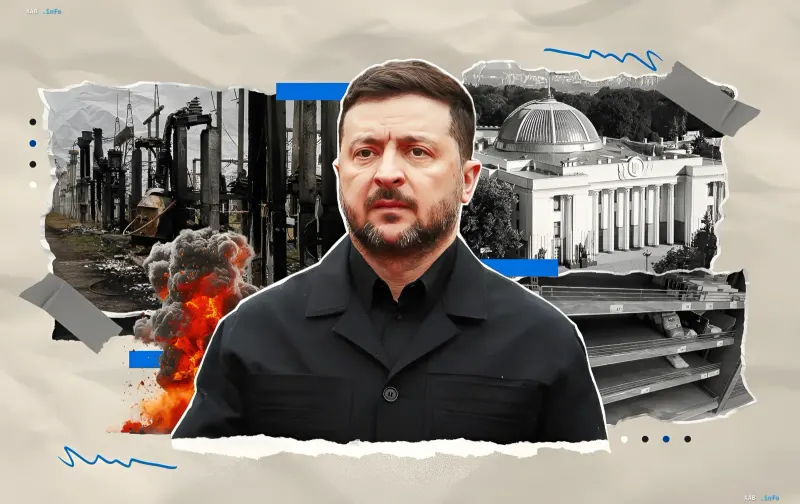
The upcoming autumn-winter period of 2026 promises to be one of the hardest trials for Ukraine since the start of the full-scale invasion. Russian armed forces continue their methodical destruction of Ukrainian logistics, industrial facilities, and businesses, leading to the shutdown of entire economic sectors and a massive budget deficit. The country's top leadership and leading experts openly admit that the most difficult military winter lies ahead, requiring unprecedented resource mobilization and internal resilience.
Escalation Factors and Economic Crisis
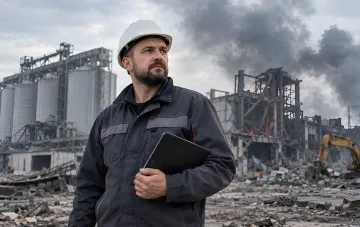
The aggressor's massive campaign to destroy the transport network, storage facilities, and production capacities surpasses all previous periods in scale. Constant strikes on economic targets paralyze enterprise operations, depriving regions of jobs and tax revenues. Against the backdrop of declining public expectations for a quick end to the conflict and the transformation of rhetoric from victory slogans to the idea of a fair end to the war, the country's economy is forced to adapt to survival mode. Infrastructure losses are compounded by chronic funding deficits and the need to find new sources to replenish the treasury.
Air Threats and New Technological Challenges
A serious challenge of the autumn season has been the massive terrorizing of the Ukrainian capital and other regions by jet-powered drones. The emergence of new types of aerial threats caught air defense systems by surprise, temporarily leading to transport collapses and disruptions in critical infrastructure. Although Ukrainian air defense forces are already intercepting a significant portion of jet-powered devices, they are still far from the efficiency rates achieved against regular Shahed-type drones. Authorities note that the mass deployment of domestic interceptor drones will only become possible in a few months, leaving the country forced to seek costly or unconventional countermeasures.
Contradictory Data
Within the expert community and among state officials, there are noticeable discrepancies in assessing the scale and future targets of air attacks. Some sources claim that strikes on data centers, gas stations, and logistics hubs are part of a planned long-term strategy to systematically strangle the Ukrainian economy and infrastructure. At the same time, other insiders tend to view these actions as a spontaneous escalation or a reaction to specific military operations by Ukraine's defense forces, pointing out that the adversary is gradually exhausting its non-nuclear potential for further pressure. Estimates regarding the timeline for the full deployment of jet interception systems also differ, sparking discussions about the efficiency of defense procurement distribution.
Survival Prospects and Relocation
Amid growing pressure, Ukrainian businesses and state institutions are forced to seek adaptation strategies. One of the main trends of the coming winter is the large-scale relocation of enterprises and economic activities to the safer western regions of the country. The success of this process will depend on the promptness of state support, logistical assistance from international partners, and the energy system's ability to withstand inevitable seasonal loads. Ukraine continues to fight for its economic survival, relying on internal reserves and the solidarity of the global community at the most critical moment of the confrontation.