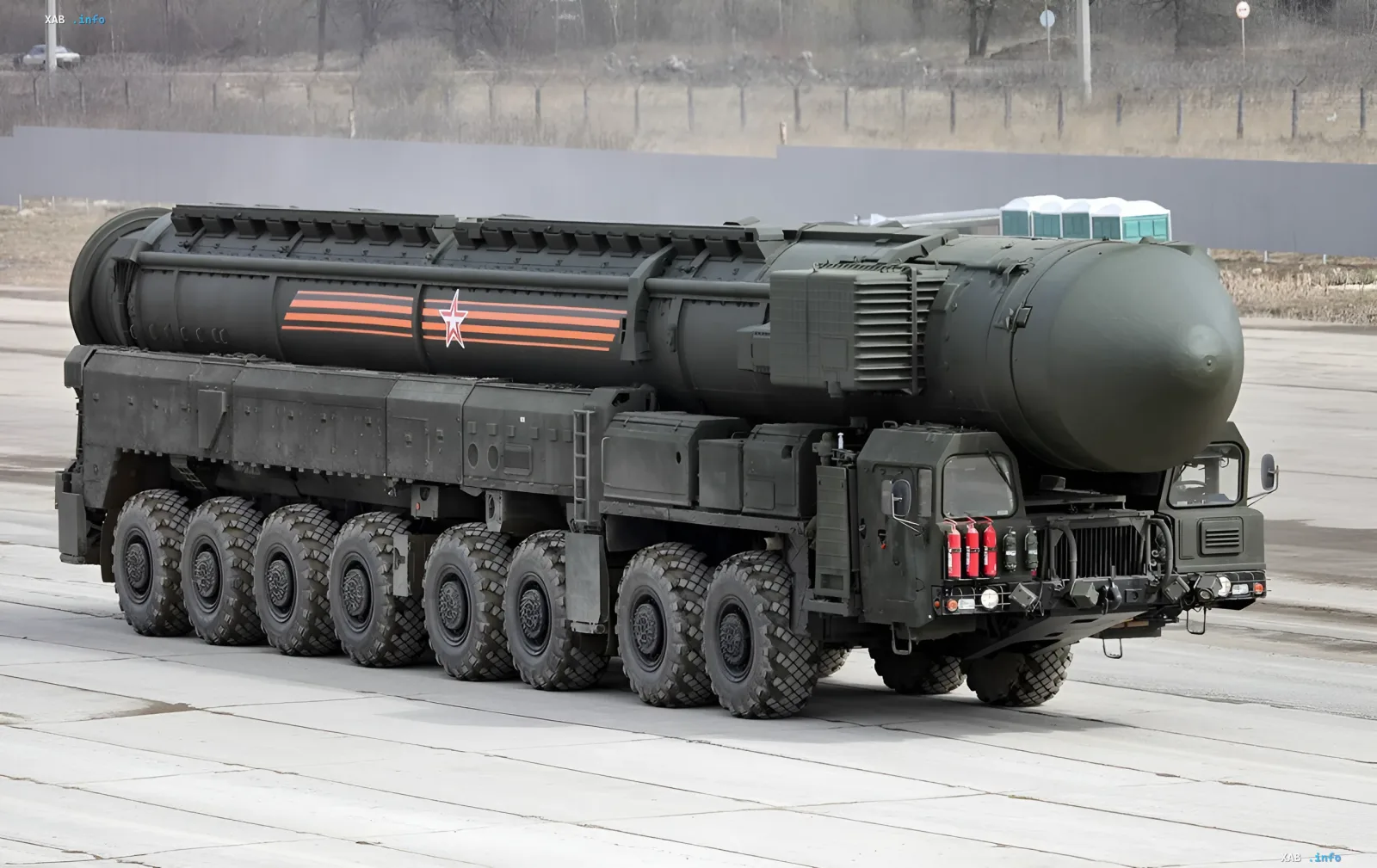
Ukrainian military forces currently lack the technical means to independently track launches of the Russian 'Oreshnik' ballistic missile. This was stated by Anton Zemlyanoy, a senior analyst at the Ukrainian Center for Security and Cooperation, in a comment to RBC-Ukraine. Despite the absence of its own detection systems at the necessary altitudes, Kyiv receives operational information about threats from Western partners.
Technical dead end: altitude and range
The main difficulty lies in the physical limitations of existing equipment. Current Ukrainian radars, specifically AN/MPQ-65 systems, are capable of detecting targets at a distance of 160–180 kilometers and at an altitude of 30–36 kilometers. However, medium-range ballistic missiles, to which the 'Oreshnik' belongs, ascend significantly higher.
According to the expert, Ukrainian systems can only detect the missile at the moment it enters the range of radar stations. This is effectively the final stage of flight, leaving critically little time for reaction.
Western intelligence as the foundation of security
Since domestic equipment cannot track the trajectory along the entire path, Ukraine relies on the intelligence systems of Western partners. It is they who provide data on the preparation of 'Oreshnik' launches and other ballistic missiles.
Thanks to this, the Air Force of the Armed Forces of Ukraine is able to warn the population and military units even before the missile crosses the front line or enters the country's airspace. Additional information is received by the military-political leadership through human intelligence, allowing them to know the enemy's plans in advance.
Risk of disinformation on social media
The analyst urges citizens and military personnel to rely exclusively on official messages from the Air Force of the Armed Forces of Ukraine, government representatives, and foreign partners. Zemlyanoy warned that monitoring Telegram channels often make mistakes, incorrectly interpreting the information received.
As an example, the expert cited a situation where the Air Force reported a ballistic missile threat without specifying the missile type. In reality, this could have been the operation of S-400 systems, but social media immediately began reporting an 'Oreshnik' launch, which misleads people.


