
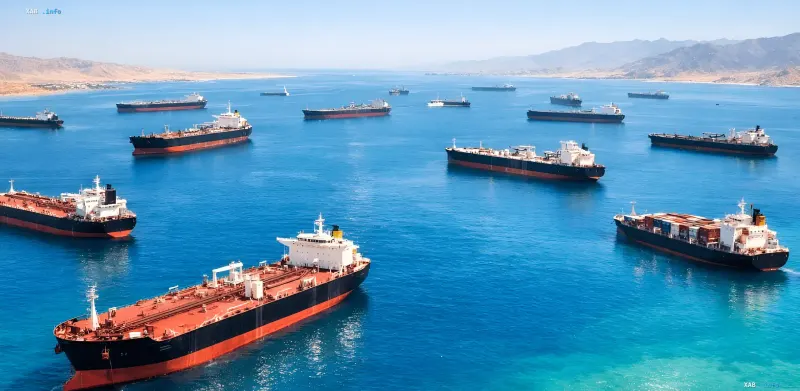
On July 10, 2026, an unprecedented change in the navigation regime occurred in the Sea of Azov and the Kerch Strait. From 17:00 Moscow time, port administrations introduced emergency restrictions on the through transit of civilian vessels. This decision was a reaction to a sharp escalation of hostilities that now directly affect the commercial fleet.
Operational data shows that commercial ships are being withdrawn from waiting areas into the open waters of the Black Sea, while vessels from the Azov side are being redirected to the mouth of the Don River. The departure of cargo ships that have completed loading in Yeysk, Azov, and Rostov-on-Don has been suspended. The cause is not just rising tension, but a series of large-scale incidents involving unmanned systems.
Tactics of "Smart" Strikes and Fleet Losses
Satellite imagery from Planet Labs has recorded fire outbreaks on civilian vessels. The closure of the strait was the result of a coordinated operation by the Unmanned Systems Forces (USF) and the Security Service of Ukraine. Between July 6 and 10, the opposing side used aerial UAVs and modernized unmanned boats (UB) of the Sea Baby type.
According to the General Staff of the Armed Forces of Ukraine, up to 35 vessels sustained damage of varying degrees during the raids. The list of damaged vessels includes tankers of project 15781 "Venera-3", "Sanar-1", "Klimena", as well as tugboats and cargo ships. International observers classify these vessels as part of the logistics chain for delivering petroleum products and dual-use cargo. Shipping intensity on the approaches to the "Crimea" and "Caucasus" terminals has critically dropped.
Trust Crisis: Crews Refuse to Work
The situation has gone beyond purely military actions, evolving into a personnel crisis for shipping companies. Against the backdrop of the July 10 incidents, industry unions recorded mass refusals by crews to perform voyages. Crew members, including foreign specialists, are demanding early replacement and disembarkation.
This step is legally justified. According to the rules of the International Chamber of Shipping (ICS) and the MLC, crew members have the legal right to repatriation and refusal to work if the route passes through an officially declared War Risk Area. The current situation in the Sea of Azov de facto corresponds to this definition.
Positions of the Parties and Legal Collisions
Russian authorities, through Rosmorrechflot, confirmed the temporary suspension of ferry operations and the Kerch-Yenikalsky Canal. Operational headquarters declared the priority to be the protection of the Crimean Bridge infrastructure and commercial convoys. Traffic regulation is being carried out within the framework of an enhanced anti-terrorist security regime.
The Command of the Ukrainian USF states that they are systematically blocking the logistical supply routes of the peninsula. Kyiv justifies strikes on the commercial fleet by its involvement in supporting the troop grouping and transporting raw materials in circumvention of sanctions.
The legal assessment of the situation is complex. The UN Convention on the Law of the Sea (UNCLOS) allows for the temporary suspension of the peaceful passage of ships to ensure the security of a coastal state. However, reality has transformed into a zone of active hostilities with the unlimited use of autonomous strike systems, which calls into question the very possibility of safe navigation in the region.


