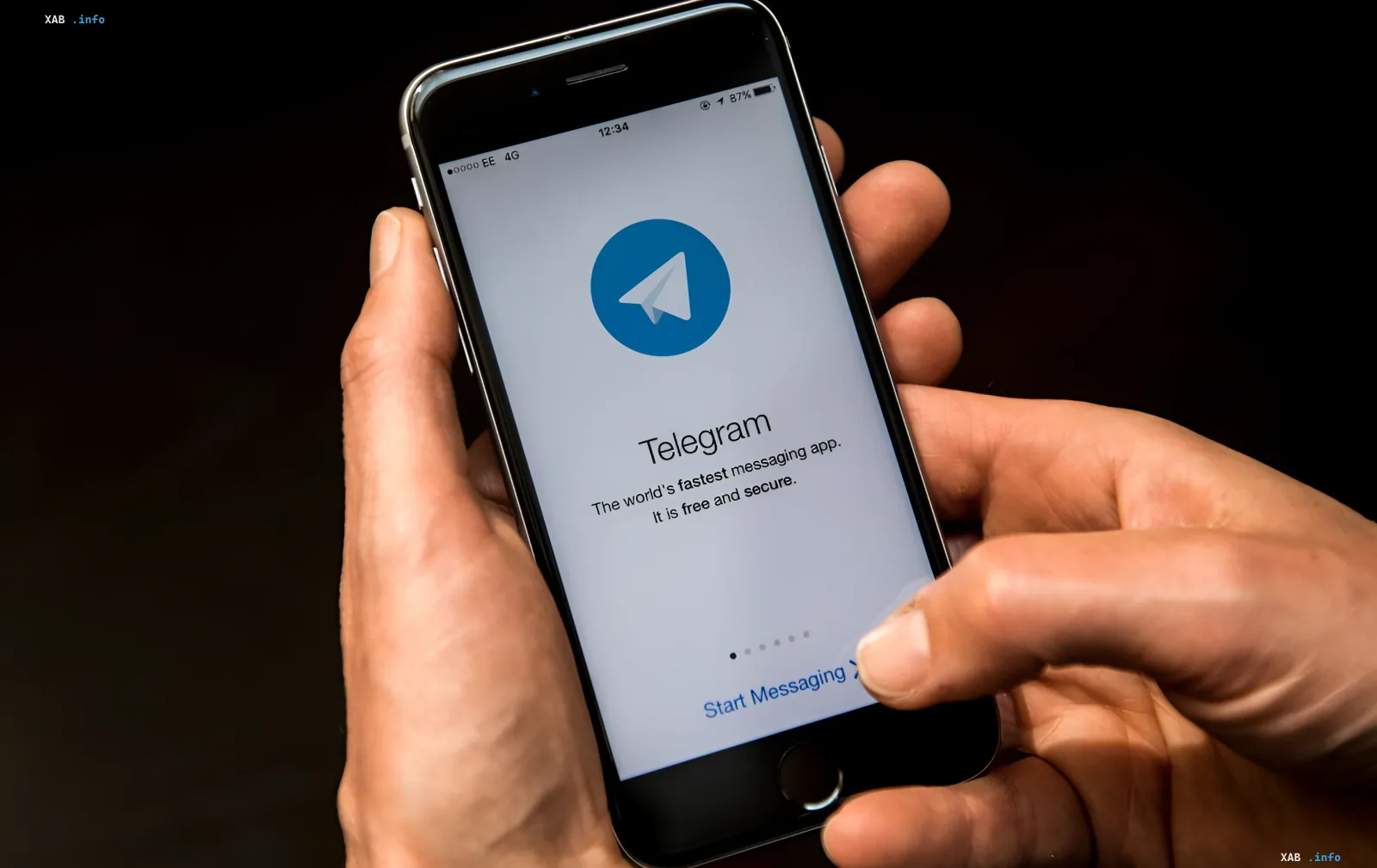
Amidst the ongoing war and the rising number of sabotage acts in Ukraine, the issue of communication security has come to the forefront. Following a series of terrorist attacks, the discussion regarding restrictions on the Telegram messenger has become particularly acute. However, according to law enforcement officials, a radical ban on the platform will not be a panacea.
Temporary effect instead of a systemic solution
Andriy Nebytov, Deputy Head of the National Police of Ukraine, stated in an interview with RBC-Ukraine that a complete ban on Telegram will not allow for the final resolution of the problem of citizens being recruited by Russian special services. The expert believes that such a step can only buy time but will not eliminate the threat systematically.
"Enemy special services adapt quickly to new conditions," Nebytov warned. According to him, if access to one communication channel is blocked, agents of influence will simply switch to other platforms or methods of communication.
Recruitment statistics and current measures
The scale of the problem is confirmed by the figures: according to police data, 82% of uncovered terrorist acts were committed by individuals recruited specifically through Telegram. In this regard, a decision by the National Security and Defense Council (NSDC) is already in effect prohibiting the use of the messenger in state authorities, military formations, critical infrastructure facilities, and educational institutions.
At the same time, stricter measures are being discussed. Previously, Interior Minister Ihor Klymenko and Head of the Presidential Office Kirill Budanov spoke in favor of restricting the service's operation, however, they did not propose a total ban for the population.
De-anonymization and the legal framework
The National Police believes that a more effective approach would be the introduction of user de-anonymization mechanisms. This will allow law enforcement to track the activities of criminals without depriving citizens of a communication tool.
Andriy Nebytov also emphasized that any service is obliged to operate within the legal framework of the country where it provides services. If Telegram refuses to cooperate with Ukrainian legislation, the authorities may be forced to take radical measures, including holding the messenger's management accountable for aiding criminal activity.
Public opinion
Despite pressure from law enforcement, the majority of Ukrainians are skeptical about the idea of a complete ban. According to poll data, more than 75% of citizens do not support banning Telegram, but at the same time advocate for strengthening control over its operation.


