On the night of July 19, Ukraine experienced one of the largest combined attacks from Russia. A total of 41 missiles and 125 attack drones were launched across the country. The main target was Kyiv, where residential buildings, dormitories, and shopping centers were damaged. However, the consequences of this attack go far beyond destroyed infrastructure — the education of millions of children has been directly impacted.
410,000 textbooks destroyed
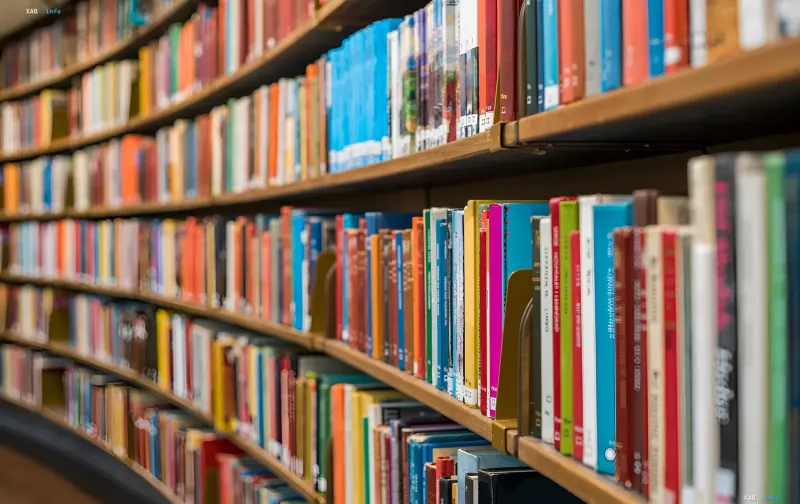
Andriy Butenko, Ukraine’s Minister of Education and Science, revealed a shocking figure: more than 410,000 school textbooks were destroyed as a result of the Russian strike. These books had already been printed, packaged, and were ready for delivery to schools so that students could receive them before the start of the school year on September 1.
“The print run will have to be reprinted, and delivery to educational institutions will be delayed for at least several months,” Butenko stated. The minister emphasized that the Ministry of Education and Science is already in contact with publishers and the Institute for Modernization of Educational Content to coordinate timelines and volumes for reprinting.
Electronic versions as a temporary solution
While the reprinting process is underway, the Ministry of Education is considering the use of electronic versions of textbooks. This will serve as a temporary measure to ensure continuity of the educational process despite the physical absence of printed books.
It is important to note that the lost print run represents only part of the total order for the new school year. Planned book deliveries continue: as of July 22, schools have already received over 1.4 million copies.
Targeted attack on education
Andriy Butenko stressed that this is not the first time Russia has struck printing houses and warehouses storing Ukrainian textbooks. According to him, such attacks are part of the aggressor’s strategy — to deliver a systemic blow to Ukrainian education by depriving children of access to knowledge at a critical moment.
On the night of July 19, fires broke out in five districts of Kyiv. As a result of the attack, one person was killed and eight others were injured. Damaged were not only residential buildings but also office and non-residential premises, as well as dormitories — places where students and teachers often live.
What’s next?
The situation remains tense. Publishers and the ministry are working in an intensified mode to minimize delays. However, even with maximum printing speed and logistics efficiency, the delivery of new textbooks to schools has been postponed for at least several months. This means many students will begin the school year without printed textbooks — either using electronic versions or outdated editions.
The Russian attack on July 19 was not just a military strike — it was a blow to the future generation. While the world debates geopolitics, Ukrainian children remain without books, and teachers — without tools for teaching.