
During the night, Ukrainian drones struck one of Russia's largest oil refineries — Lukoil-Nizhnekamsknefteorgsynthes in Kstovo, Nizhny Novgorod region. The facility, one of the four main fuel suppliers for Moscow, was seriously damaged as a result of the attack.
Scale of damage and Russia's reaction
According to the General Staff of the Armed Forces of Ukraine, a fire broke out at the refinery as a result of the attack. The primary oil processing unit AVT-6, which provided a quarter of the plant's total capacity, was hit. Russian authorities reported an attack attempt using 30 drones and stated that the damage was "non-critical." However, the refinery has already suspended oil processing.
Significance of the refinery for the Russian economy
Lukoil-Nizhnekamsknefteorgsynthes is among the top ten largest oil refineries in Russia. Annually, it produces about 5 million tons of gasoline and more than 5 million tons of diesel fuel. The Kstovo refinery is one of the four key refineries supplying fuel to the Moscow region.
Consequences for the fuel market
Due to a series of successful Ukrainian attacks, most of these refineries have been paralyzed. The only alternative for Moscow remains more expensive fuel from Belarus. Alexander Lukashenko has already offered assistance to the Russian region, however, Belarusian petroleum products will significantly increase prices at gas stations.
Economic crisis and fuel shortage
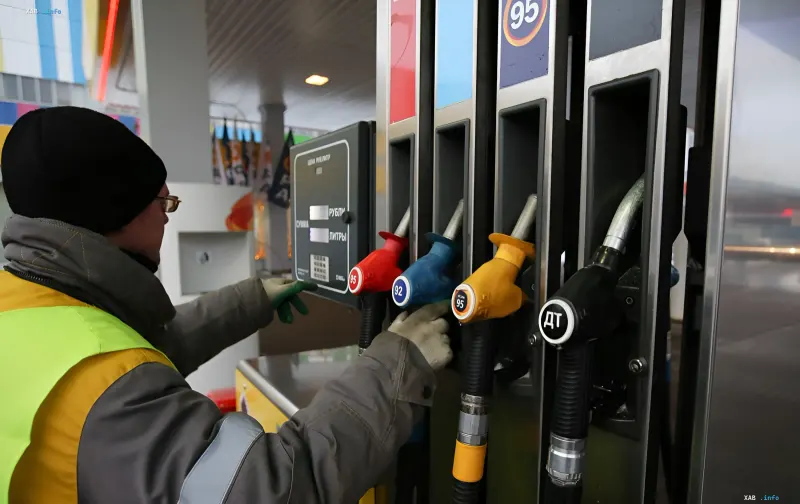
The latest wave of successful Ukrainian strikes on oil refineries has significantly disrupted the domestic fuel market in Russia. Problems with gasoline and diesel shortages are worsening every day, forcing the Kremlin to seek emergency solutions to contain a large-scale economic crisis.
The situation has become so complicated that the presence of serious problems with energy infrastructure under the pressure of facts has been forced to be acknowledged even by the highest Russian leadership. Previously, RBK-Ukraine wrote that gasoline prices in Russia are hitting new records, and queues at gas stations are rapidly spreading across almost the entire country.
Official recognition of the shortage
Against the backdrop of systematic destruction of refineries, Russian leader Vladimir Putin officially acknowledged a "certain shortage" of fuel. At the same time, fuel reserves in occupied Crimea have dwindled to just a few days.


