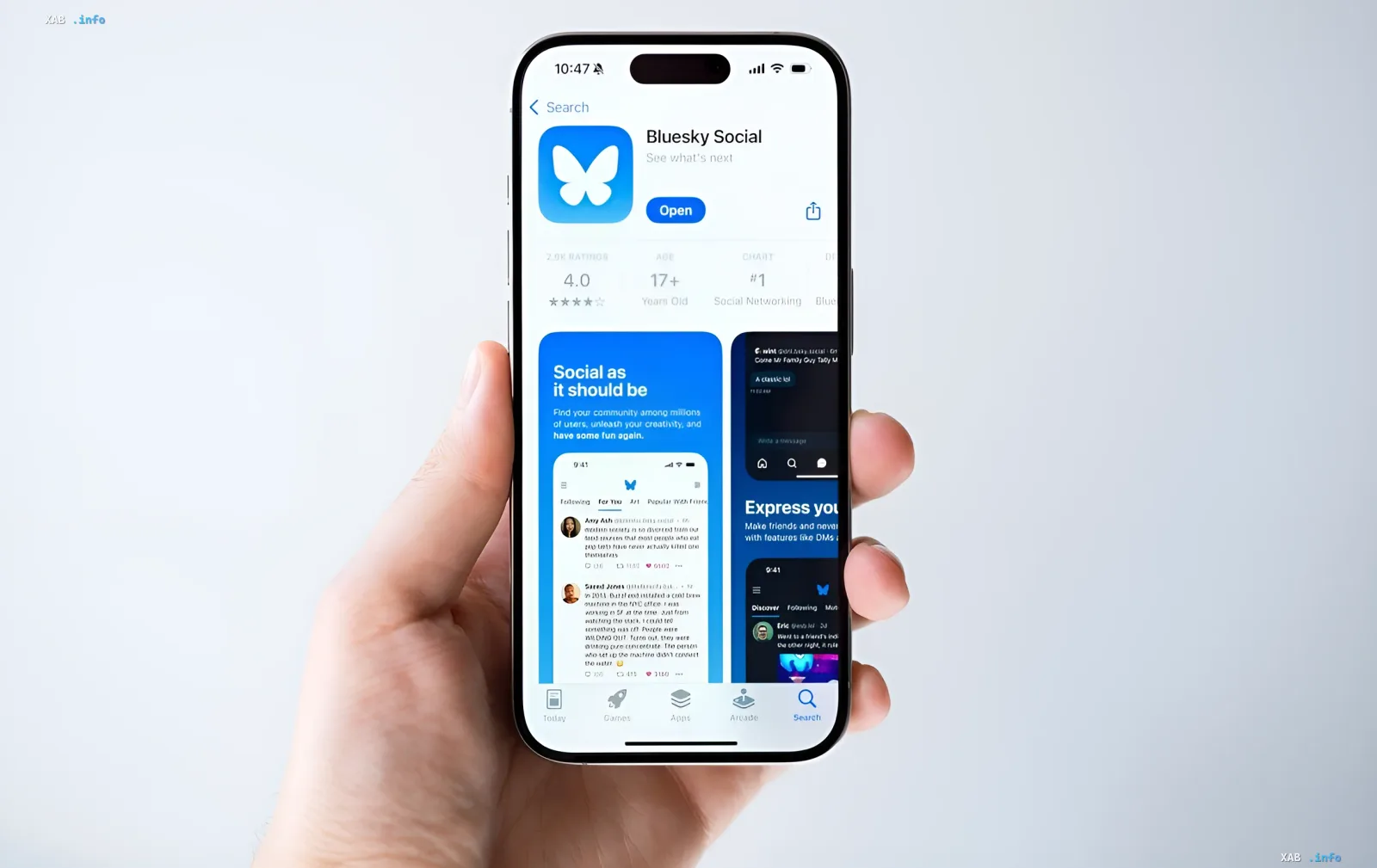
Bluesky Product Lead Alex Benz made a bold statement about the platform's future. By the end of 2026, a major new tool called 'Communities' will be introduced. This update aims to transform how users interact with each other, addressing the issues of feed overload and content monotony.
From general to specific: why communities are needed
Currently, Bluesky is one large space where everyone sees everything. The new feature will create smaller spaces within the platform, allowing users to dive deeper into conversations with people who care about the same things. The main goal is to free users from the need to spam all their followers with messages that are only interesting to a narrow circle.
Developers have provided two main types of access to groups:
- By invitation: access is controlled by creators, allowing them to manage the audience composition.
- Fully private: groups hidden from prying eyes, operating on the principle of closed clubs.
Design freedom and unique addresses
Each community will receive its own short name, which will also serve as an internet address (link). However, the main difference from competitors lies in the visual aspect. Group creators will not be limited by the social network's standard template. Developers promise to provide tools for a complete design overhaul, so that each group has its own unique style and homepage layout.
Solving the algorithm problem
The introduction of communities should solve Bluesky's main problem — the monotony of recommendations. Currently, the algorithms of the main Discover feed often offer users posts that are similar in content or political context, making it difficult to find new interesting authors.
After the update launches, posts from groups that users have joined will start appearing in the recommendation feed. This will make it more lively and diverse. At the same time, groups will not turn into isolated chats — they will remain part of the open space where it is easy to meet new people with similar views. For those afraid of missing something important, the ability to enable direct notifications for new posts in a specific community will be added.
Open source vs. closed platforms
Attempts to create groups within short microblogs have already been made. In its time, Twitter (now X) launched a similar feature, but after the platform changed owners, this tool was abandoned and eventually completely shut down last month.
The situation at Bluesky is different. A small but very active community of independent developers has gathered around the platform. The social network's leadership is creating the communities feature with open source code. This means that third-party programmers can pick up this idea and create numerous useful applications, improvements, and alternative clients based on it, guaranteeing the development of the feature even in the long term.


