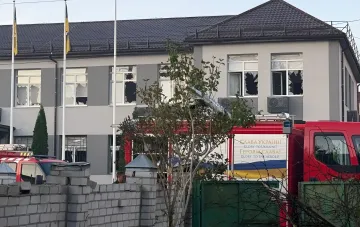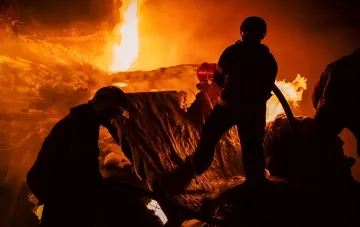
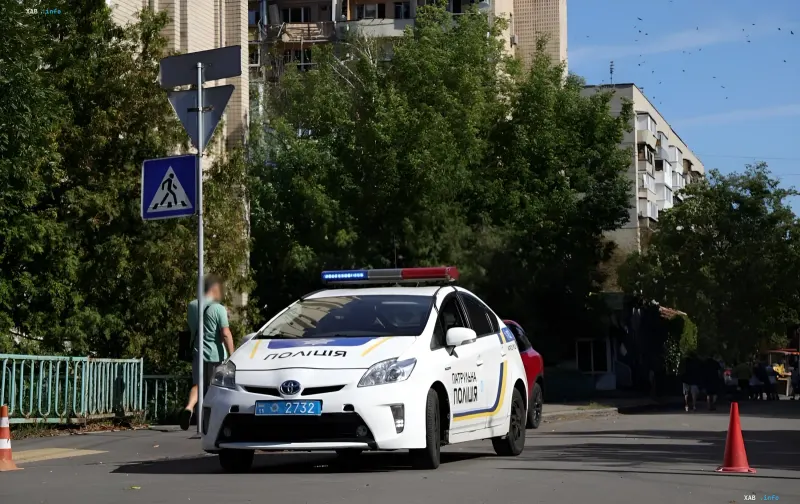
In the night of August 20, 2026, Russia launched a massive combined strike on Kyiv and the Kyiv region; air raid sirens in the capital sounded for about nine hours. Immediately after the explosions, patrol police crews rushed to the impact sites, and their actions during those first critical minutes were recorded by body cameras. The published footage demonstrates how law enforcement officers provided aid to the injured and extricated residents from damaged apartments before the main emergency services arrived.
Pre-medical aid before ambulance arrival
According to the Head of the Patrol Police Department, Oleksiy Beloshitsky, officers of the Tactical and Operational Response (TOR) unit were at the attack sites within minutes. Specifically, Denys Tryhubenko and Anton Dobrenko found three injured women, applied bandages and tourniquets to stop bleeding, and then helped transport the victims to ambulances. According to the department's assessment, these actions helped save lives during the period when professional medics could not yet reach the rubble.
Extrication and evacuation from buried apartments
The victims of the night shelling were residential buildings in the Solomianskyi district of Kyiv; among the residents were both injured and deceased. The police worked in coordination with the State Emergency Service (SES) rescuers: crews helped evacuate citizens from smoky premises and extricate people trapped under debris. The body camera footage shows the coordination between patrol officers, medics, and fire-rescue units amidst the ongoing aftermath of the strike.
Scale of the attack according to official data
President Volodymyr Zelenskyy reported that as a result of the night attack, 30 residential buildings were damaged, along with a school, a hospital, and a kindergarten. As of the time of the official statements, 15 fatalities were recorded in Kyiv. The head of state called the Russian strike one of the "most cynical, calculated, and large-scale," emphasizing that the aftermath is still being cleared and all emergency services remain on site.
Contradictory data
During the automatic selection of sources, a pravda.com.ua article from May 24, 2026, with body camera footage of patrol officers appeared; however, it refers to a different spring incident and is unrelated to the August 20 strike — this is a false positive due to keyword matching. Furthermore, the Patrol Police in its statement does not provide a final death toll, limiting itself to the phrase "there are injured and deceased," whereas the President's data records 15 fatalities specifically in Kyiv. The difference is explained by the level of detail and the timing of the fix: the departmental statement was made in the first hours after the attack, while the presidential summary was based on the results of the night.
Coordinated work of emergency services
The published footage became a vivid illustration of how the chain of assistance is built under conditions of a massive strike: patrol officers provide pre-medical aid first, rescuers extricate and evacuate, and medics complete the transport to hospitals. Beloshitsky conveyed his condolences to the families who lost loved ones that night and wished the injured a speedy recovery, noting that law enforcement officers, rescuers, and medics continue to work at the sites of the aftermath of the Russian strike.