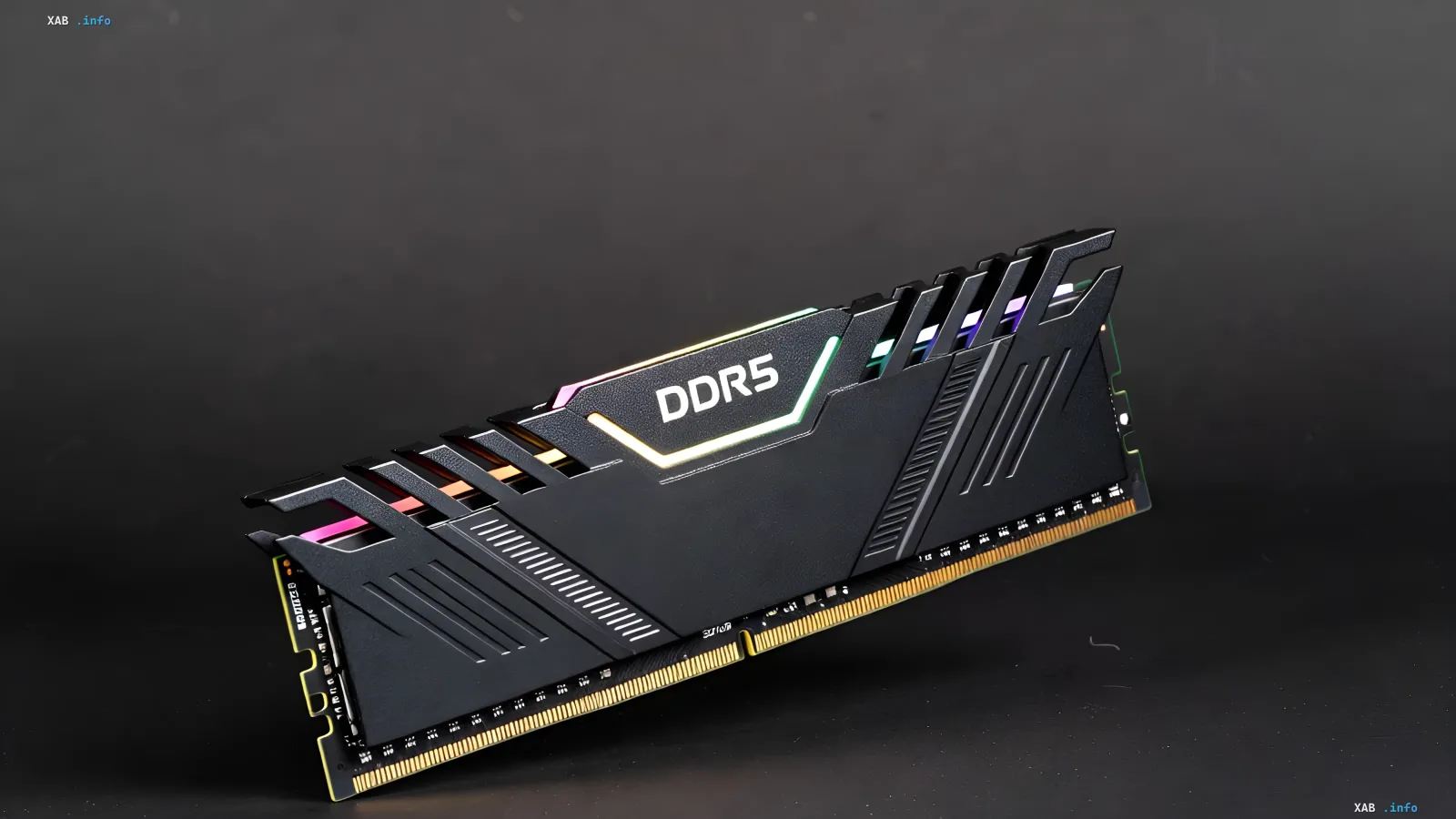
The computer memory market is experiencing an unprecedented price surge. Buyers of PC components are forced to face a sharp increase in the cost of RAM modules, and this trend has been gaining momentum for several months in a row.
The situation is felt most acutely in the segment of the latest DDR5 memory. According to the latest data from China, the wholesale cost of a 16 GB module has reached $35. This is 6% higher than a month ago, making the current period the fourth month of continuous price growth.
However, the real shock comes from the comparison with figures from previous periods. Just six months ago, a similar module cost around $10. Thus, over six months, the cost of RAM has increased by 3.5 times.
Not just DDR5: DDR4 price increases
The problem of rising costs is not limited to cutting-edge technologies. Traditional DDR4 memory has also become more expensive. Between April and June, the wholesale price of an 8 GB module increased by approximately two times compared to the peak values of the previous quarter.
The cause of the crisis: the race for HBM
The key factor driving the price increase has been the boom in artificial intelligence technologies. Chip manufacturers faced a choice: produce memory for ordinary computers or specialized chips for neural networks.
The profitability of producing HBM (High Bandwidth Memory) — memory critical for the operation of powerful AI systems — is significantly higher than that of standard DDR5 and DDR4 modules. As a result, three industry giants — Samsung Electronics, SK Hynix, and Micron — made a strategic decision to redirect resources.
Major DRAM manufacturers are giving unconditional priority to HBM production, reducing capacity for general-purpose memory. It is precisely this redistribution of production capacity that has led to a shortage and a sharp price spike for familiar memory modules in the consumer market.


