
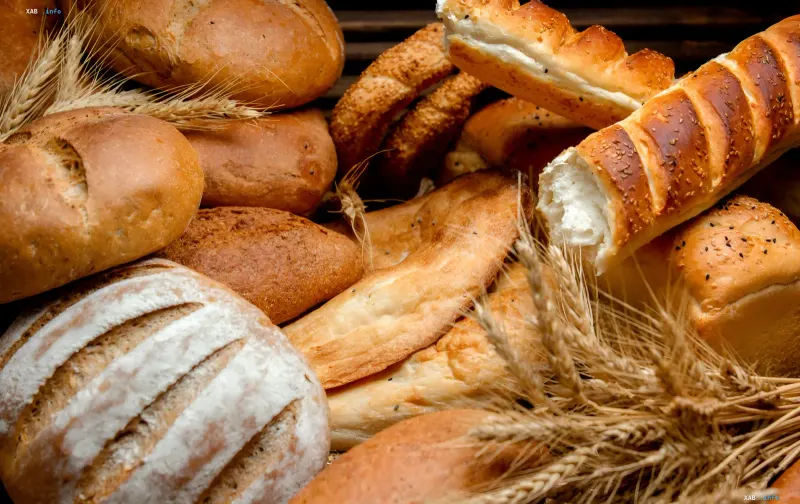
Ukrainian consumers may face a rise in the price of this staple food as early as July. According to industry expert forecasts, the cost of bread could increase by approximately 5%. Bakeries are making this decision not for profit, but under pressure from legislative changes regarding labor conditions and personnel reservation.
Key factor: new reservation rules and wages
Alexander Taranenko, First Vice President of the All-Ukrainian Bakers Association, explained in an interview with RBC-Ukraine that the main reason for the price hike is the Cabinet of Ministers Decree No. 692 dated May 30. The document has tightened requirements for enterprises wishing to retain the right to reserve military-age employees.
The key change concerns the average salary. Now, for an enterprise to legally reserve workers, the average wage at the production facility must be around 26,000 hryvnias. Previously, this threshold was set at 21,000 hryvnias.
This means a need to increase the payroll by more than 20%. Since wages account for approximately 25% of the cost of bakery products, such a jump in expenses is inevitably passed on to the final product price. Calculations show that a 20% increase in the payroll increases the product cost by 5–6%.
Experts emphasize that this refers to the accrued salary. With an average accrued amount of 26,000 hryvnias, workers will receive about 20,000 hryvnias in hand. Considering the specifics of bakers' work — night shifts, working on weekends and holidays — this amount is not considered high, but for the business, it is a significant burden.
Heat and logistics: additional expenses
In addition to legislative changes, the weather also affects the cost. High temperatures require additional expenses to maintain the technological process. For quality dough mixing, it is necessary to cool the water and air in workshops where temperatures can reach 50 °C. Without cooling systems, the dough sours quickly, making the product unsuitable for sale.
Furthermore, the heat increases logistics costs: vehicles require more energy to run air conditioners. The situation is exacerbated by other factors:
- Increased cost of imported components due to exchange rates and logistics.
- Rising costs for equipment repair and maintenance services.
- Shortage of qualified personnel in related industries.
Why flour doesn't save the situation
In the cost structure of bread, raw materials account for about 40%, of which more than 30% is flour. Recently, the price of flour has stabilized, and in some regions, a slight decrease has even been recorded — by 100–200 hryvnias per ton (about 1%).
However, considering that flour accounts for only a third of the cost, its price reduction affects the final product price by only 0.3%. This is insufficient to compensate for the rise in wages and energy costs. Bakery enterprises do not have sufficient profitability to cover such expenses at their own expense.
Harvest forecast
Regarding the future harvest, forecasts remain positive: a harvest of about 83 million tons of grain is expected, of which more than 20 million tons will be wheat. However, experts note that the key factor will not be the quantity, but the quality of the grain. In recent years, the share of food-grade wheat in the total harvest has shown a tendency to decrease, which directly affects market prices.


