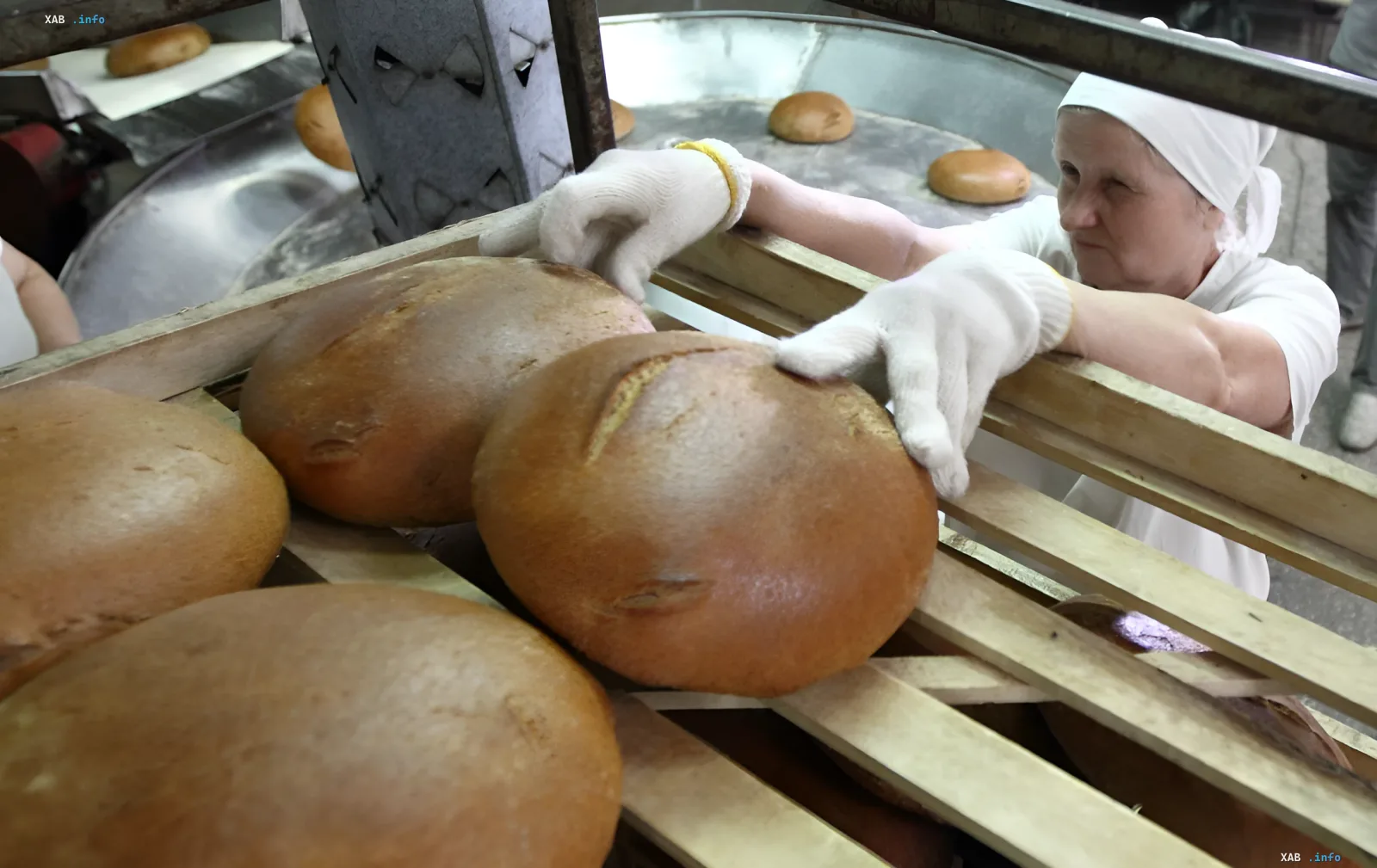
Strikes by Russian occupiers on logistics hubs and distribution centers will not lead to higher prices for everyday mass-market bread nor reduce its range on store shelves. This was stated by Alexander Taranenko, First Vice President of the All-Ukrainian Association of Bakers, in an article by RBC-Ukraine. According to him, the supply of everyday bread does not involve warehouse complexes: each bakery delivers its products directly to points of sale using its own transport. An average enterprise in a regional center serves from 1,500 to 2,000 delivery points, including supermarkets, and supplies goods directly. Thus, the destruction of distribution centers does not affect the logistics of mass-market bread.
Where the Real Risk of Price Increases Lies
A certain risk of price increases exists for long-shelf-life bakery products — biscuits, rusks, snack items — which are delivered through distribution centers. "If you deliver directly to stores, that changes the logistics costs. So there may be some price increase for long-shelf-life bakery products. But it's literally a few percent," Taranenko clarified. For everyday consumption bread, this mechanism does not apply, since the logistics chain does not pass through warehouses.
Energy — the Main Factor Behind Autumn Price Growth
The main factor that could trigger a noticeable rise in bread prices with the onset of cold weather, experts say, is possible damage to the energy infrastructure. If substations are hit and bakeries are forced to switch to generators, production costs rise substantially. An additional factor could be the rising price of fuel and lubricants. "If there are significant losses in the energy sector, if the supply of fuel and lubricants gets more expensive, then it's within 10%. I see no reason to talk about a sharp price increase of 20–30 percent," Taranenko emphasized. In the absence of serious power supply problems, bread price growth through the end of 2026 will be minimal — no more than 3%.
The Raw Material Factor Remains Stable
Flour, which forms the basis of bread's production cost, is not expected to get more expensive in the near term. Other raw materials — yeast and fats — may rise in price by 10–20%, but due to the small share of these components in the overall cost structure, the final increase will be only about 2%. Thus, the raw material factor is not a driver of potential price growth for bakery products in the autumn-winter period.
Contradictory Data
There is a notable discrepancy between expert estimates in their forecasts for the autumn period. Alexander Taranenko, relying on the current stability of raw material prices and the absence of warehouse logistics impact on mass-market bread, estimates price growth through the end of 2026 at within 3% under a favorable scenario and up to 10% under serious power supply problems. At the same time, Denis Marchuk, Deputy Chairman of the All-Ukrainian Agricultural Council, points to a sustained two-year trend of gradual bread price increases — approximately 1.5–2% per month — and forecasts that in the autumn period, prices for bakery products may rise by an additional 10–12%. The difference in estimates is explained by different methodologies: Taranenko considers the limiting scenario for a specific product (everyday consumption bread) under certain conditions, while Marchuk assesses the overall dynamics across the category, taking into account accumulated inflationary pressure.
Context: The Overall Picture Across Products
RBC-Ukraine also reported that a shortage of buckwheat in Ukraine is not expected, however, the price of this grain may soon jump to 85 hryvnias per kilogram. Experts note that the autumn season traditionally comes with increased pressure on prices due to seasonal increases in logistics and energy costs, however, no systemic crisis on the shelves is forecast for basic everyday bakery products.