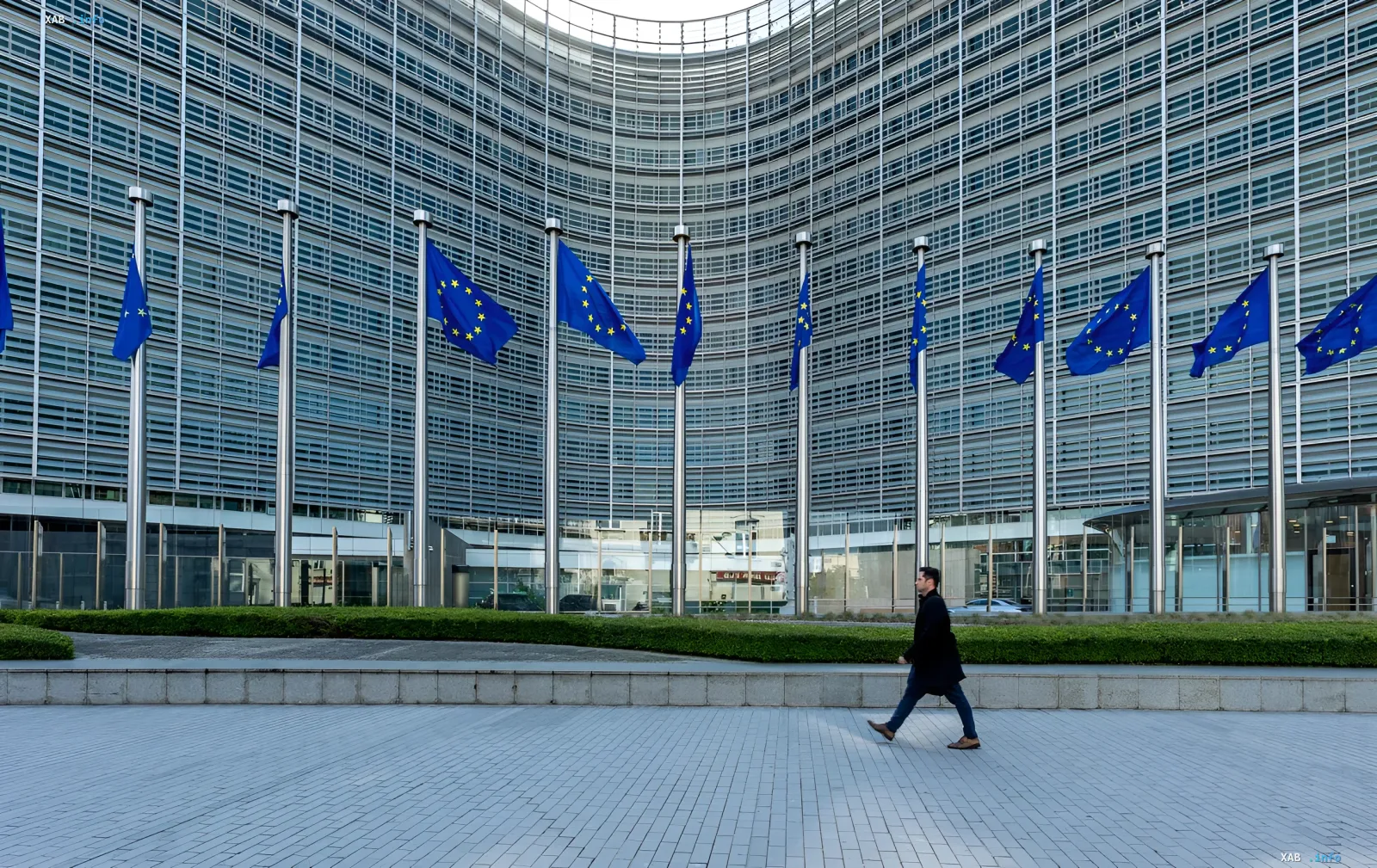
A historic breakthrough is brewing in the European Union. After months of tense discussions and diplomatic deadlock, the situation surrounding Ukraine's application for EU membership could change dramatically by mid-June. The key factor is Budapest's willingness to reconsider its position and lift the objections that have blocked the start of the negotiation process.
End of the blockade: what is known from diplomatic sources
Four European diplomats have confirmed reports that Hungary has signaled its readiness to withdraw its veto. This decision paves the way for Ukraine and Moldova to move to the next stage of European integration — the official opening of the first negotiation cluster. This step will mark the start of full-fledged accession negotiations.
According to Politico sources, the fateful decision could be made at an intergovernmental conference in Luxembourg on June 15. However, despite optimistic signals, official confirmation from Budapest is still pending.
The price of compromise: the dispute over minority rights
Diplomats link Hungary's change of course to recent intensive negotiations between experts from Kyiv and Budapest. The focus of the discussions was the rights of the Hungarian minority in Ukraine. At the meeting, the Ukrainian side presented proposals on most of the items on the list of requirements previously raised by the government of Viktor Orbán.
An important nuance noted by sources is that Hungary's approval does not require the immediate adoption of new laws in Ukraine. Some issues can be resolved within the framework of further consultations, which significantly accelerates the process.
Official position and timelines
Despite leaks, the Hungarian side remains cautious. "The decision has not yet been made. Negotiations are ongoing. No agreement has been reached," stated an anonymous Hungarian official, emphasizing that the process is in the final stages.
It is expected that by the end of the current week, EU ambassadors will formulate a final position. Before this, Kyiv must present updated reform plans and additional work on the protection of the rights of national minorities. The unanimous decision of all 27 EU member states is required to open any negotiation cluster.
Assessments and prospects
Pressure on Budapest has also been exerted by other leaders. German Chancellor Friedrich Merz previously called on the European Union to open the first cluster as soon as possible, stating that bilateral disputes should not block Ukraine's European course.
If the block is lifted, the prospects look impressive. According to European officials, Ukraine could complete the majority of negotiation stages within the next 12-18 months, bringing the country closer to full membership.


