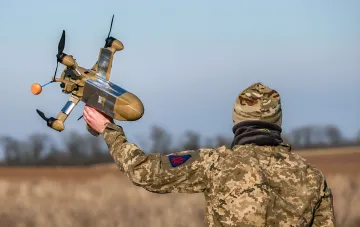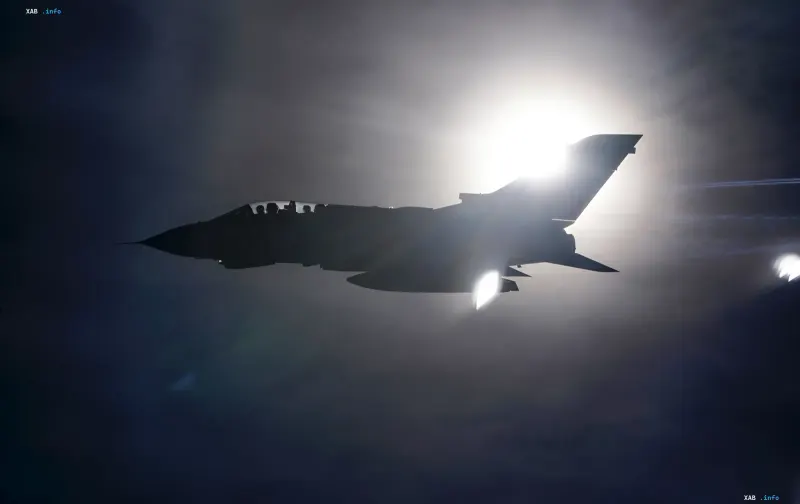
The Royal Air Force (RAF) of the United Kingdom has begun moving military aircraft into hangars and shelters overnight to protect them from possible drone attacks. This is reported by British broadcaster Sky News and the newspaper The Times. According to their data, for aircraft that remain outdoors — including at air bases not equipped with shelters — the military is developing plans to install special anti-drone nets. The measures are being introduced against the backdrop of official warnings from the UK Ministry of Defence and the domestic intelligence service MI5 about an increased threat of sabotage from Russia.
“There is no safe place at home”: the position of the RAF command
The Commander of the Royal Air Force, Air Chief Marshal Harve Smith, stated the need to practise dispersing aircraft across the country in the event of an armed conflict. According to him, the RAF is preparing for a scenario in which “there is no safe place at home, you are conducting combat operations from UK territory, but you need to be constantly on the move.” This indicates that moving aviation into shelters is being considered not as a one-off reaction, but as part of a broader preparation for a prolonged confrontation.
Incidents at air bases: Lakenheath and Fairford
Separate attention from British military has been drawn to incidents at the country's air bases. In the first half of November — according to Sky News, on 14 November — suspicious drone activity was detected over Lakenheath air base in Suffolk county, where US military personnel are stationed; base personnel were ordered to take cover, and US Air Force personnel responded to the alert. This happened a few days after the American side had moved refuelling aircraft there from another base. Another incident occurred in September near Fairford air base: following reports of suspicious activity, law enforcement officers detained five men. According to officials' assessment, this incident, as well as a number of other episodes, may have been linked to Iran.
European context: statements about sabotage
The tightening of measures in Britain is happening against the backdrop of a series of statements in Europe. On 25 November, the Estonian Minister of Foreign Affairs Margus Tsahkna stated that Russia is trying to organise sabotage at defence enterprises in various European countries, while, according to him, most of such attempts have been thwarted. He also reported that last Friday the Danish government publicly announced an order by Russian special services for an assassination on the country's territory. The day before, the British government, the Ministry of Defence and intelligence structures warned companies helping Ukraine about an increased threat of Russian sabotage.
Thus, moving aviation into hangars and preparing anti-drone nets are becoming part of a comprehensive UK response to the growing, according to intelligence assessments, risks of sabotage and drone attacks on critical military infrastructure.