

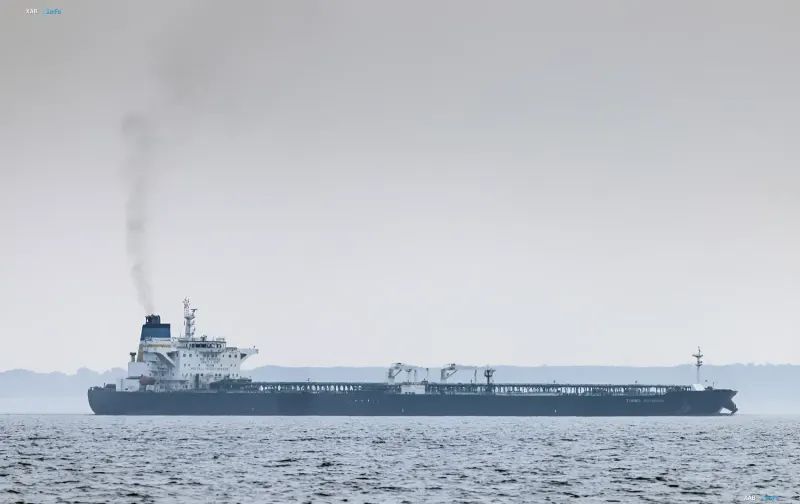
Operation in the English Channel
On the morning of June 14, British armed forces conducted a successful operation to detain an oil tanker belonging to Russia's so-called 'shadow fleet'. The incident occurred in the English Channel, a strategically vital waterway, where the vessel was stopped by the military.
UK Prime Minister Keir Starmer personally confirmed the detention in his X social media account. He emphasized that this operation delivers a significant blow to the mechanisms allowing Russia to circumvent international restrictions.
Sanctions goals and London's reaction
In his statement, the head of the British government noted that such actions serve as a warning to anyone supporting the military campaign in Ukraine. 'We will not let them hide,' Starmer wrote, highlighting the West's determination to intercept attempts at illegal trade.
How the 'shadow fleet' works
Experts refer to the 'shadow fleet' as the vessels Russia uses to export oil while bypassing sanctions. These tankers often change their registered flags, turn off Automatic Identification Systems (AIS beacons), and use complex routes through third countries to hide the origin of the cargo.
Escalation of the conflict at sea
The situation surrounding Russian oil shipments is becoming increasingly tense. On June 10, Ukrainian forces attacked the tanker WEST Horizon in the Black Sea. The vessel, which was also on the sanctions lists of the UK, Ukraine, and Australia, lost propulsion due to damage to its propulsion group.
A recent international investigation revealed a worrying trend: since the spring of 2025, mercenaries from the 'Wagner' group have begun appearing on board Russia's 'shadow fleet' tankers. These individuals lack maritime documentation but possess combat experience. Their task is to prevent Western representatives from forcibly stopping oil-laden vessels.
Global pressure on vessels
In addition to actions at sea, administrative pressure is intensifying. India, a major player in the shipping market, has also begun fighting shadow shipments. Over the past three years, the country has withdrawn certification from more than 200 vessels, mostly oil tankers. This decision significantly hinders such ships' access to ports and their ability to obtain insurance.


