
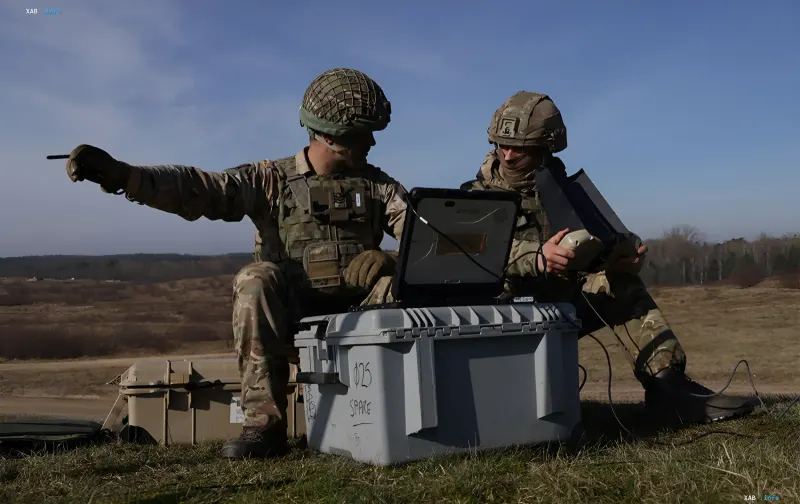
The British Armed Forces have embarked on a large-scale transformation, basing their strategy on the real combat experience of Ukraine. As part of the new Defence Investment Plan (DIP) presented by Prime Minister Keir Starmer, a new task force is being established within the army. Its mission is the accelerated deployment of unmanned systems and autonomous weapons to counter threats from Russia.
Budget of 5 Billion Pounds
To implement these ambitious plans, the government has allocated 5 billion pounds sterling. These funds are intended to expand the use of drones and integrate technologies capable of rapidly solving operational tasks on the battlefield. A representative of the UK Ministry of Defence emphasized that it was Ukraine that demonstrated to the world the speed, scale, and impact of drone warfare.
According to current data, the UK has approximately 10,000 drones in service. For comparison, Ukrainian forces use approximately 200,000 drones monthly to defend against Russian aggression. This disparity in numbers has become a catalyst for revising British doctrine.
New Structure: Lessons from the Ukrainian Experience
The British unit is partially modeled after the Ukrainian Unmanned Systems Forces, which operate as a separate branch of the military. However, the London model has its own features: the new team will not become a separate structure. It will include personnel from all branches of the service — the Army, the Royal Navy, the Royal Air Force, and the Marines. The joint group will be led by a senior officer.
The unit's mission is clearly formulated: to unite people, data, and machines to solve real problems quickly, on a large scale, and cost-effectively. A source in the defense department confirmed that many decisions in the Ministry of Defence are being made based on lessons learned from Ukraine's fight against Russian occupiers.
From Destroyers to Hybrid Vessels
Modernization has affected not only ground forces but also the naval component of defense. London is completely revising its plans to modernize the Royal Navy in the face of the threat from the Russian Federation. Instead of the expensive construction of traditional destroyers, the defense department has decided to invest in modern hybrid vessels. These ships will be capable of massively coordinating the operation of autonomous drones, changing the very logic of naval operations.
The new operational group will focus on developing means for long-range reconnaissance and strikes. This will allow technologies to be transferred to the front line in the shortest possible time, bypassing the years of waiting characteristic of traditional procurement programs. The UK is preparing a large-scale restructuring of its ground forces, betting on innovative unmanned systems and a complete overhaul of outdated approaches to conducting military operations.


