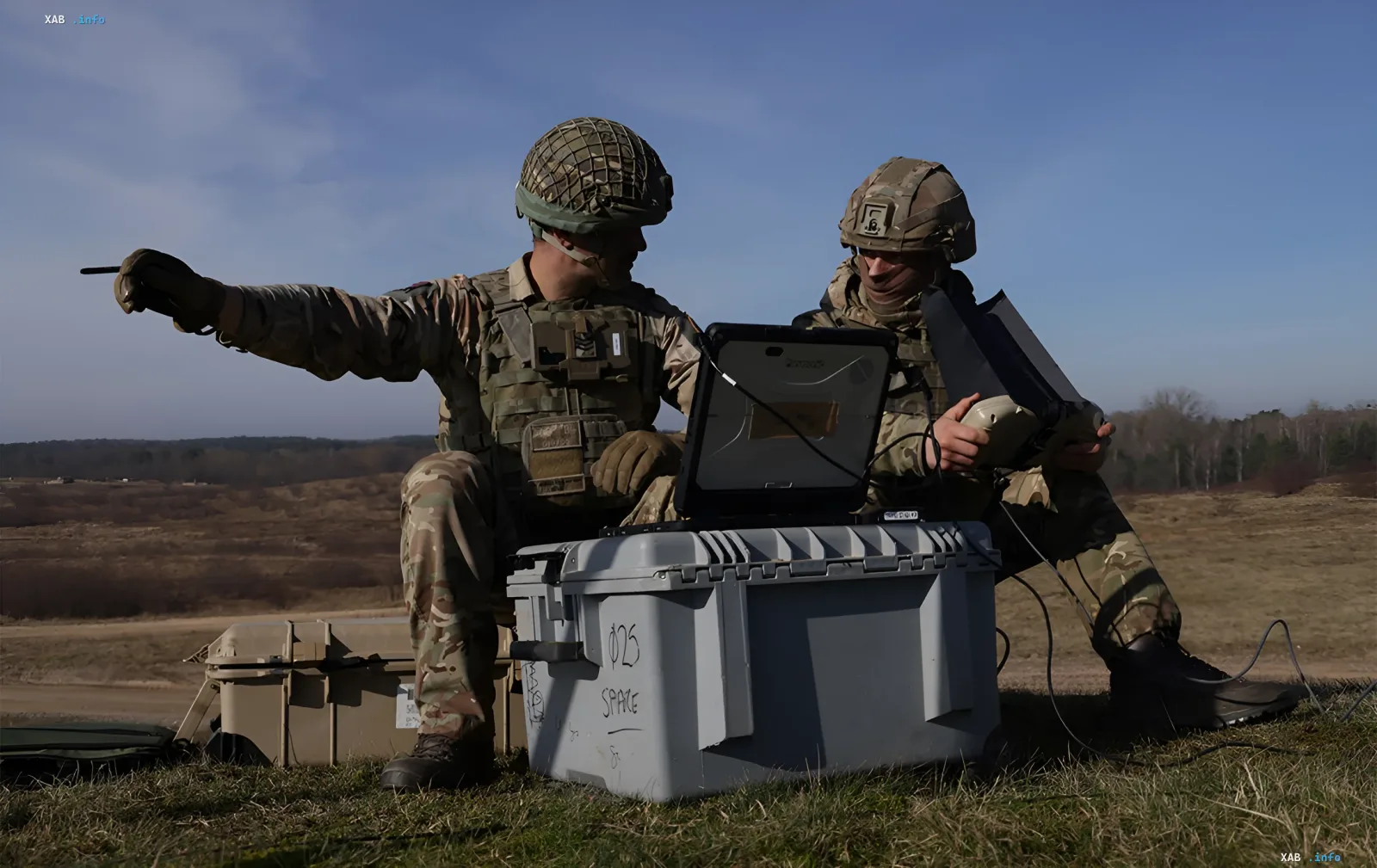
At a training ground in Estonia, British military personnel conducted large-scale exercises, during which they rehearsed scenarios involving the use of the latest Nyan loitering munitions. Special attention was paid to testing flight range and the ability to strike strategic targets within Russian territory.
New Weapons Against Old Threats
As part of preparations for a potential clash with Russian forces, the British Army, as a NATO member, deployed advanced technologies at its base in Tapa. The central element of the exercises was the Nyan drones, capable of covering distances of up to 250 kilometers. According to British specialists, these unmanned aerial vehicles are designed for the precision destruction of the enemy's critically important infrastructure: oil depots, ammunition storage facilities, and command posts.
St. Petersburg Within Range
The geographical location of the base in Tapa holds strategic significance. It is located only 250 km in a straight line from St. Petersburg — the city where the current President of Russia, Vladimir Putin, was born. This region also hosts key Russian defense facilities, including the Kronstadt naval base and the Levashovo airfield.
One of the participants in the exercises stated directly that the goal of the training was to verify the possibility of delivering a Nyan drone specifically to St. Petersburg. "Everything depends on the enemy's air defense and electronic warfare, which affects how we will have to maneuver," noted a British military officer, emphasizing the realism of the scenario.
Replacing Tanks with Drones
These exercises mark a paradigm shift in NATO military planning in the region. Nyan drones are effectively replacing a squadron of Challenger 2 heavy tanks, which has been based in Estonia for decades. The transition from armored vehicles to high-tech aircraft indicates a new approach to defending border territories.
Reaction from Moscow and the Region
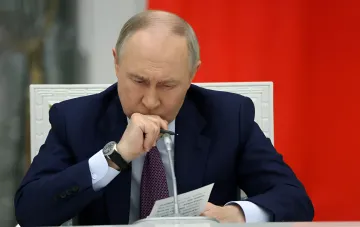
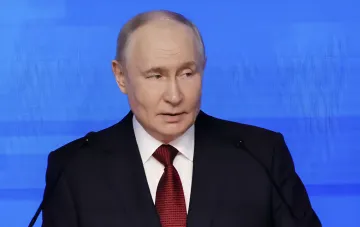
Events are unfolding against a backdrop of heightened tension. As previously reported, Vladimir Putin has ordered troops to monitor NATO exercises. At the same time, the Lithuanian Minister of Defense voiced concerns regarding Russia's potential targets after the end of the conflict in Ukraine, while German politician Friedrich Merz listed countries that could be threatened by new aggression.