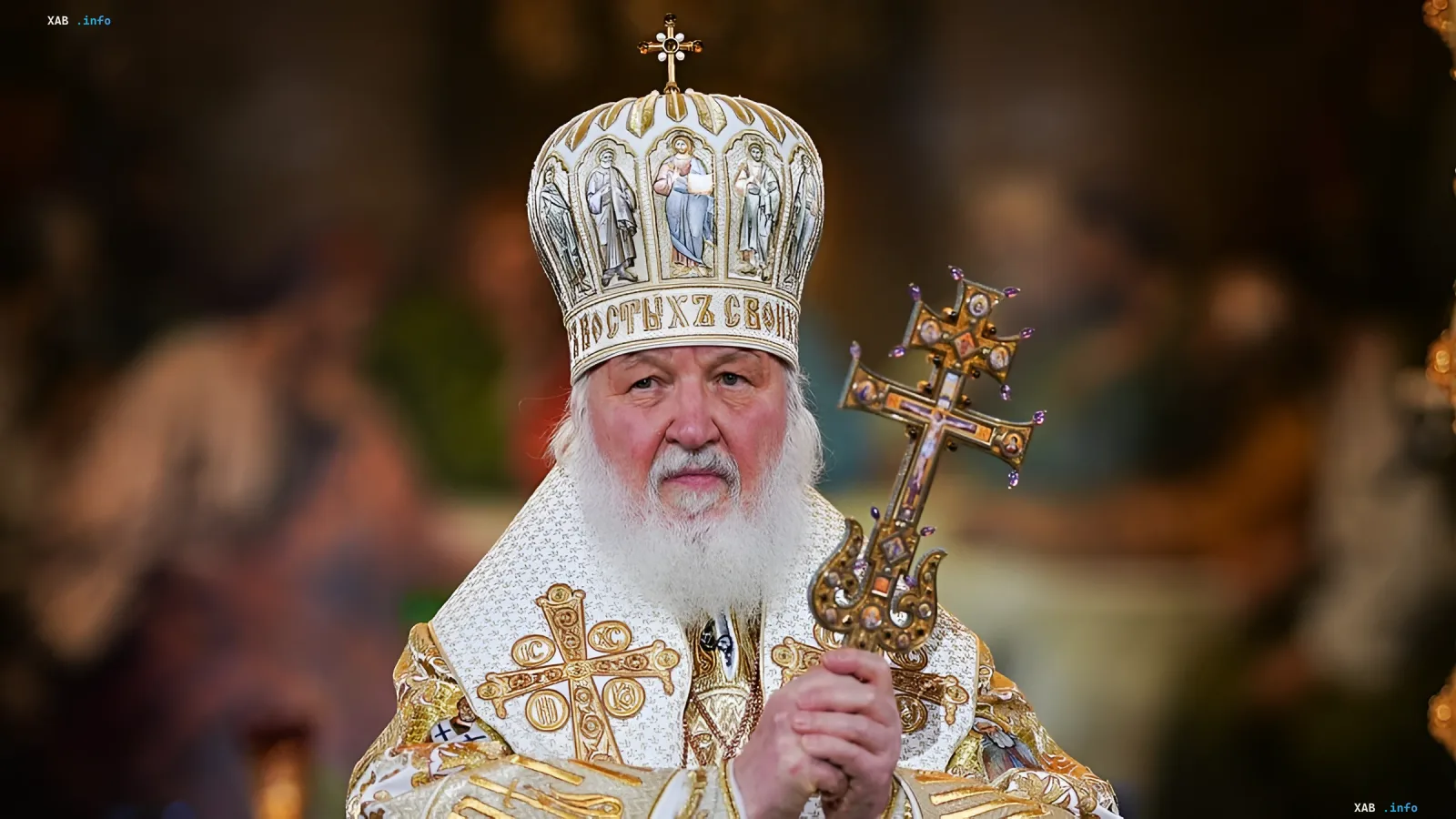
The European Union is preparing a new attempt to impose personal sanctions on Patriarch Kirill, the head of the Russian Orthodox Church. The initiative, previously blocked by Hungary, has now gained new momentum due to a change in the political landscape in Budapest.
A Shift in Hungarian Politics
In 2022, Brussels already tried to include the Patriarch's name on the sanctions list, but the decision was thwarted by a veto from Hungary. Then-Prime Minister Viktor Orbán justified his refusal by citing the need to protect freedom of religion. This decision caused a wide resonance and criticism from other EU member states.
The situation changed last month when the new Hungarian government, led by Péter Magyar, declared its readiness to support the introduction of restrictions against the church hierarch. EU officials quickly took advantage of this political turn and included the Patriarch's name in the package of proposals presented on Tuesday.
Accusations and Motivation for Sanctions
Patriarch Kirill remains one of the most controversial figures with significant influence in both religious and political spheres. Brussels accuses him of spreading revisionist propaganda aimed at justifying the war in Ukraine.
The key argument for sanctions is a document approved under the Patriarch's leadership, which called for the destruction of Ukrainian statehood and characterized the invasion as a "Holy War." It is precisely these actions that became the basis for considering the freezing of assets and a ban on entry into EU countries.
The Consensus Problem
Despite support from the new Hungarian administration, the success of the initiative is not guaranteed. The unique status of the Patriarch as the head of the largest Orthodox church creates a complex ground for negotiations. In the EU decision-making mechanism, which requires unanimity, it is not uncommon for certain names to be removed from lists to achieve a compromise.
Diplomats confirmed that the Patriarch's name has already been added to the extended sanctions package, however, Brussels has not yet revealed the names of the individuals involved until the final approval by all member states.
Decision Deadlines
European officials are striving to approve the 21st sanctions package by July 15. This strict time limit is linked to the need to avoid an automatic review of the price cap on Russian oil. Thus, the fate of sanctions against Patriarch Kirill will be decided in the coming weeks as part of the overall diplomatic struggle to coordinate new measures against Moscow.


