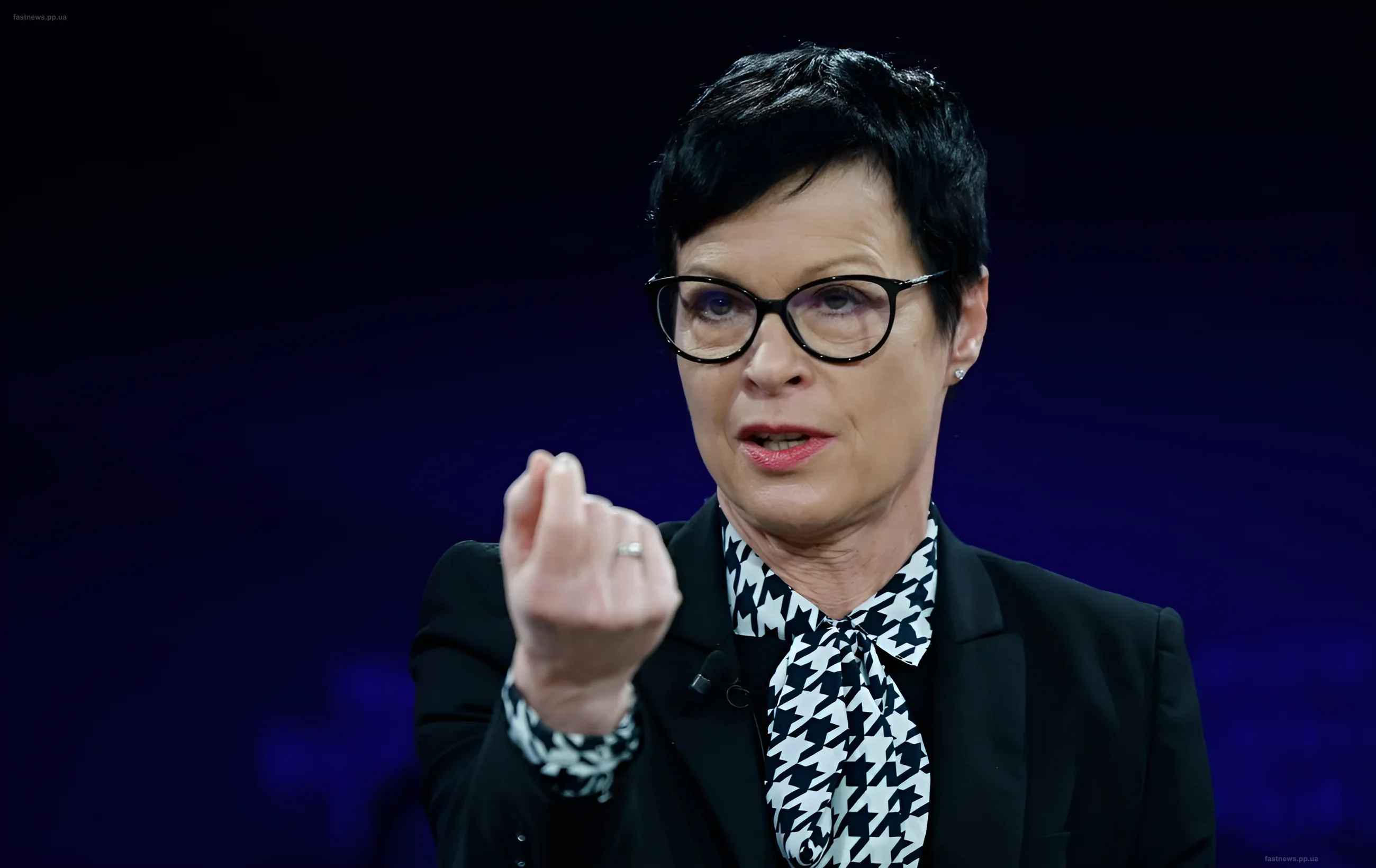
The European Union faces a historic challenge that requires not just administrative amendments, but a fundamental restructuring of integration mechanisms. Maroš Šefčovič, EU Commissioner for Enlargement, has delivered a harsh but necessary diagnosis: the current accession system is outdated and may simply not withstand the pressure of Ukraine’s large-scale integration.
As Europe’s geopolitical map shifts rapidly, decades-old bureaucratic procedures risk becoming a brake on the continent’s security. Brussels is seeking a “new model” that will allow Kyiv to integrate faster and more effectively, without compromising institutional quality.
Why Old Rules No Longer Work
According to data published by Financial Times, the current enlargement architecture was designed for different times and scales. It was not built to accommodate a country with Ukraine’s population, economic potential, and complex history. Šefčovič emphasizes: if member state capitals do not coordinate an updated approach promptly, the integration process risks getting stuck in endless debates.
At the center of the discussion is an idea proposed by German Chancellor Friedrich Merz: the status of “associated member” with expanded rights. This proposal has become a kind of compromise, allowing deeper integration before formal accession — though reactions within the EU remain mixed.
Flexibility Over Dogma
The European Commissioner insists on a combined approach: one that blends the “merit-based” principle — where progress depends on reforms — with phased inclusion into EU structures. This will make the process more flexible and adaptable to current realities.
It is expected that by summer, the accession processes for Ukraine and Moldova may be formally separated. Official negotiations with each country could be launched independently, allowing for unique candidate-specific considerations. Ukraine remains an unconditional priority due to its scale and strategic importance for European security.
Unshakable Standards and Ambitious Timelines
Crucially, searching for new tools does not mean abandoning core values. Rule of law, independent judiciary, and anti-corruption efforts remain “red lines” that cannot be renegotiated. Innovations concern procedures, not quality standards.
Optimistic forecasts from EU officials paint this picture: Ukraine could close most negotiation chapters within 12–18 months. If momentum holds, the accession agreement could be signed as early as 2027. The European Commission has already approved the timeline and intends to propose opening the first negotiation cluster in mid-June — marking the first real step toward a new enlargement model.


