
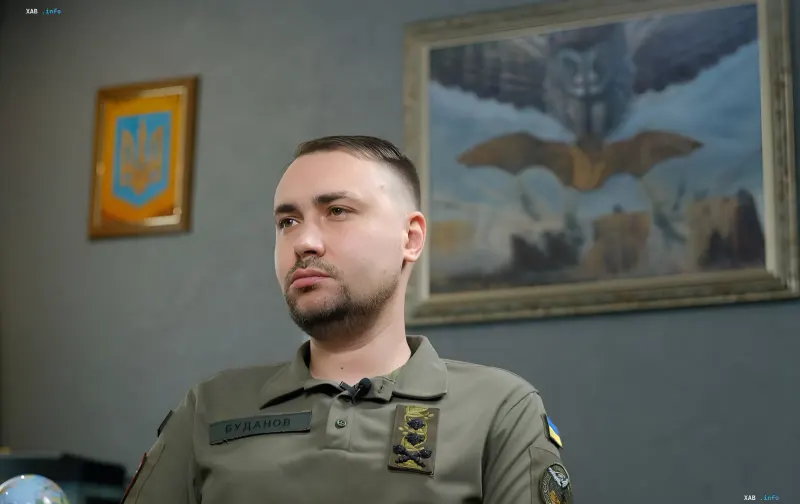
Russia faces no technical obstacles to conducting a new wave of mobilization this year. This was stated by Kirill Budanov, Head of the Office of the President of Ukraine, in an interview with RBC-Ukraine.
Technical readiness for mass conscription
According to Budanov, Moscow has no objective reasons that could prevent the organization of mobilization comparable in scale to that carried out in 2022. During that period, approximately 450,000 people were conscripted over the course of a year. The expert emphasizes that the Russian system is technically capable of repeating this scenario.
“Can they do something of a similar scale? They can. Technically, nothing prevents them. The fact that they do not want to do it is a fact. But if they see that there is no other option, they will do it,” noted the Ukrainian official.
Impact of elections on decision-making
Separately, the issue of the impact of the upcoming September elections to the State Duma on the decision regarding mobilization was discussed. Budanov called this topic debatable, pointing to contradictory arguments both for and against the influence of the electoral cycle.
As an example, he cited the events of 2024, when elections took place against the backdrop of an active phase of hostilities in the Belgorod region. Despite the fact that residents of the city were leaving the territory en masse due to shelling, voter turnout in Belgorod became the highest in the country. According to Budanov, this indicates that administrative and political processes in Russia can continue even under conditions of military tension.
Social tension and the position of the elites
Despite the technical possibility of mobilization, the situation inside Russia remains complex. Budanov noted that public dissatisfaction with the actions of the authorities has not yet turned into active protest actions. The level of social tension has not yet reached a critical point capable of provoking mass demonstrations.
At the same time, the trust of Russians in leader Vladimir Putin shows a downward trend, although the level of approval of his activities is still around 70%. In the long term, according to the expert, the fate of current policy will have to be decided by the Russian elites, who are in a state of uncertainty between ending the conflict with Ukraine and escalating relations with NATO.


