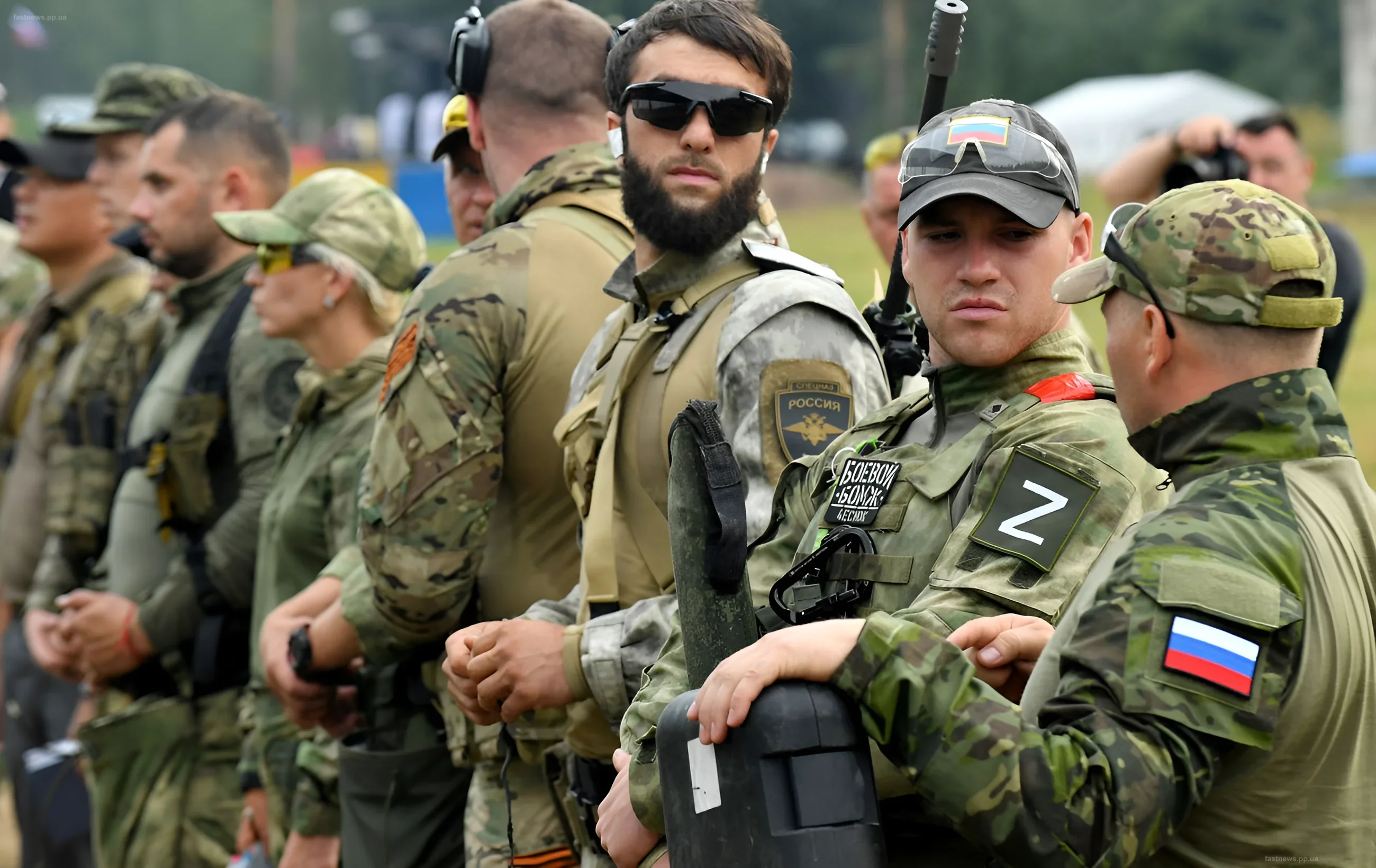
Russia's economy is entering a zone of turbulence. The massive financing of military operations is forcing the Kremlin to make radical decisions, the consequences of which will inevitably affect the lives of every citizen. According to The Financial Times, war expenditures for the current year have exceeded initial forecasts by $28 billion, becoming a catalyst for an unprecedented budget crisis.
Record Deficit and the "Freezing" of Life
The Ministry of Finance of the Russian Federation, led by Anton Siluanov, has effectively declared war on its own budget. In February, the ministry sent a request to the government to freeze spending in all civilian areas. The reason was the colossal gap between revenues and the necessity of maintaining the army. 16.84 trillion rubles have been allocated for defense and security — this is almost 40% of the entire state budget, or $238 billion. However, even these huge funds do not cover the real needs of the front.
The deficit situation has gotten out of control. While the plans for 2026 included a gap of 3.8 trillion rubles, in just the first four months of the current year, this figure reached 5.9 trillion. This constitutes 2.5% of GDP and is the highest indicator since the beginning of the full-scale invasion of Ukraine.
The "Negative Future" Scenario
Experts are painting a grim picture for the coming years. In February, the Ministry of Finance estimated the additional gap due to military needs at 2 trillion rubles. However, under a "negative scenario," this hole could grow to 4 trillion and remain at that level until 2028. To curb the decline, Siluanov is asking to freeze 2.9 trillion rubles of spending already this year. By 2028, the amount of frozen funds, according to the ministry's calculations, could reach 7.1 trillion rubles.
Back in January, state structures were ordered to cut "insignificant" expenses by 10%. But, as practice shows, it is not military budgets that fall under the knife of reform, but rather procurement, subsidies to corporations, and funding for state institutions.
What Does This Mean for Citizens?
Economist Sofia Donetsk notes that the budget has become a major topic of discussion not only in the corridors of power but also in the media. People are trying to understand who will be next in line for benefit cuts, tariff increases, or tax hikes. Former Central Bank of Russia employee Alexandra Prokopenko emphasizes that Siluanov's letter is a clear signal of the Kremlin's priorities: money for the war is needed in any case, which means everything else must be sacrificed.
Plugging Financial Loopholes
While Moscow looks for ways to save money, the West continues to tighten financial screws. The United Kingdom has blocked cryptocurrency schemes through which Russia annually moved about $90 billion — half of its military budget. Six platforms and four individuals who helped bypass restrictions were sanctioned.
Against the backdrop of financial difficulties, stagnation is also observed on the front. The pace of the Russian army's advance in 2026 has dropped sharply: since the beginning of the year, only 104 square kilometers have been captured, compared to 1,619 during the same period last year. At the same time, the command continues to paint a distorted picture of success for Putin, trying to hide the real state of affairs.


