
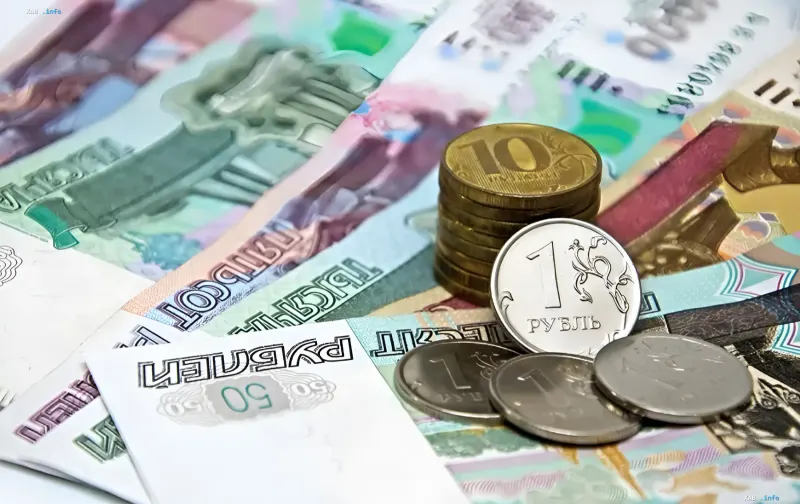
According to the latest expert assessments, the Russian economy has hit a critical dead end. Financing the war against Ukraine has shifted to a mode of total depletion of internal reserves, leading to the systemic destruction of the civilian sector. This was stated by Vladyslav Vlasjuk, the Ukrainian President's Commissioner for Sanctions Policy.
The Oil Trap and Revenue Crash
The key factor determining the current crisis is the sharp decline in oil and gas revenues to the budget. In the first five months of this year, these revenues were 30% lower than in the same period last year. Even temporary spikes in commodity prices have failed to compensate for the losses.
Vlasjuk drew attention to the logistics situation. The blockade of the Strait of Hormuz did indeed cause a short-term frenzy and an increase in Russia's export revenues to $20 billion a month. However, as soon as shipping resumed, the effect disappeared. Data from the MarineTraffic service confirms active tanker movement: if the strait was closed in mid-June, by the end of the month more than a dozen ships had passed through it, and 17 tankers left the Persian Gulf at once.
The restoration of logistics instantly knocked down oil prices. By June 26, the cost of the Russian Urals grade stabilized at $58.83 per barrel. This figure is at the lower limit of the Kremlin's optimistic forecasts laid down in the budget for 2026.
The War Machine Devours the Budget
The federal budget deficit for six months reached 6 trillion rubles, exceeding the annual planned figure by 60%. Military spending has displaced all other priorities: in the first quarter, it amounted to 5.9 trillion rubles (almost half of the state budget), and in the current year it could rise to 18 trillion rubles. About 75% of all tax revenues are now directed to defense needs.
To cover budget holes, Russia is forced to borrow funds domestically at increasingly high rates. The internal public debt has risen to 32.4 trillion rubles, and the volume of OFZ bond placements increased by 54% year-on-year. At the same time, there is no frenzied demand — the last auction even had to be canceled. Debt yields have risen to 16%, signaling a serious lack of liquidity and high risks in the domestic market.
Regional Crisis and Fuel Shortage
Financial stability at the local level is plummeting. Already 56 regions of Russia have become deficit. Experts note that the Kremlin continues to maintain the war machine at the cost of the irreversible destruction of its own financial system. Preliminary estimates suggest that military spending in 2026 could exceed the planned amount by 4–5 trillion rubles, which is almost 40% more than the initial calculations.
The situation is exacerbated by a slowdown in the economy against the backdrop of regular strikes by Ukrainian drones on military, fuel, and industrial infrastructure. The country is facing a worsening fuel shortage, which, according to media reports, has already affected 70 regions.
Vladyslav Vlasjuk concluded that further restrictions on oil revenues are the most effective tool leading the aggressor's economy to inevitable collapse. The only way to stabilize the situation, he said, is to stop spending on the war.


