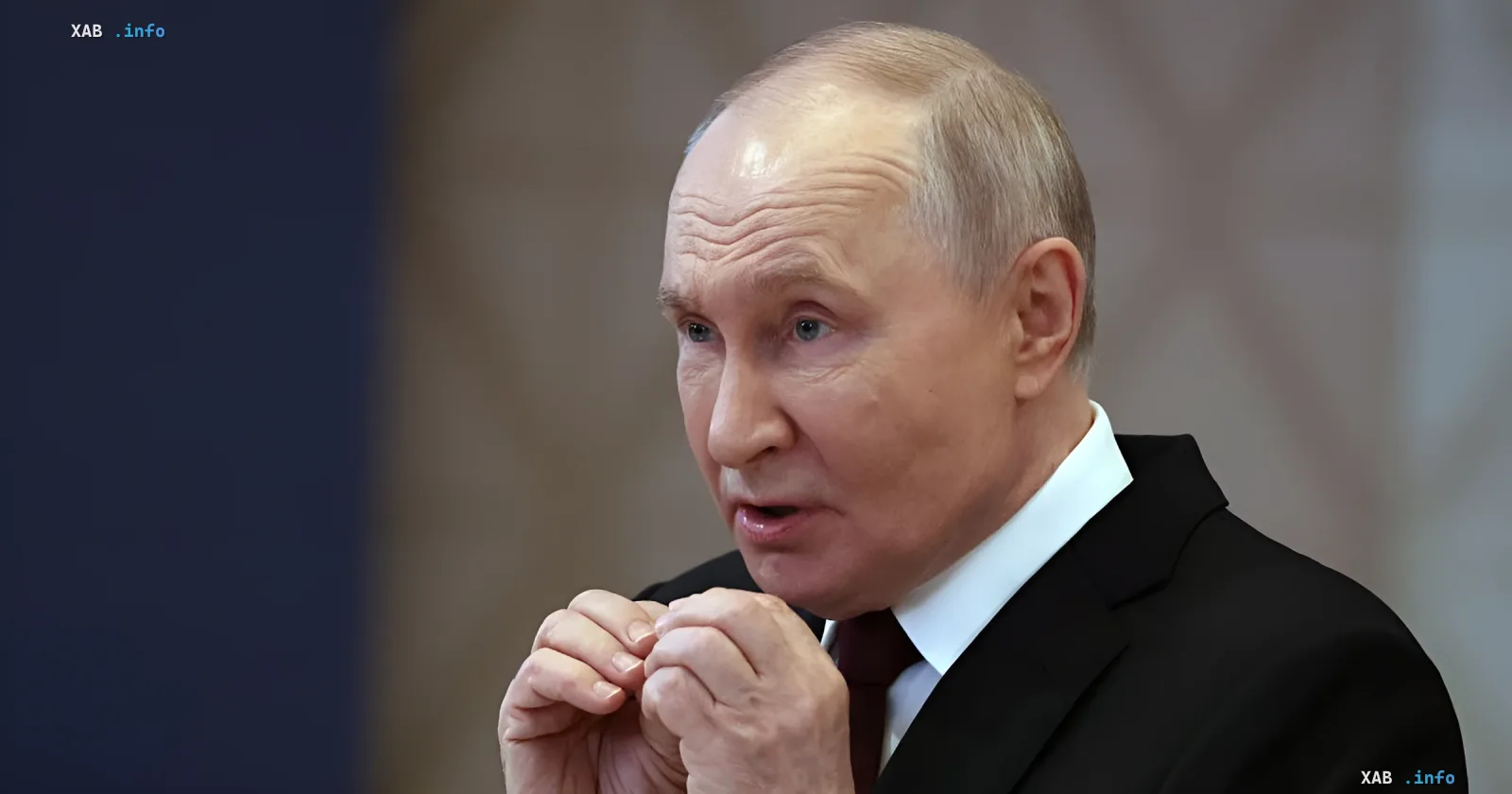
A serious conflict is brewing within the corridors of Russian power between economic reality and the Kremlin's ambitions. According to Bloomberg, the Russian budget deficit in 2026 has already exceeded the most pessimistic forecasts, yet President Vladimir Putin continues to insist on funding military operations in Ukraine, ignoring alarm bells from the financial sector.
Economic Deadlock and Refusal to Cut Spending
Representatives of the Ministry of Finance and the Central Bank of Russia have warned the head of state that the current level of military spending is becoming an unbearable burden on the economy. Officials proposed considering a reduction in the defense budget, but this suggestion was rejected. Instead, Putin instructed the Ministry of Finance to find reserves to cut spending exclusively in civilian sectors.
The situation is exacerbated by the position of the Ministry of Defense. According to sources, the military opposes any reduction in funding, arguing that it poses risks to defense enterprises dependent on state contracts. Furthermore, the ministry demands the allocation of additional funds, despite the budget deficit for the first quarter of 2026 reaching 4.58 trillion rubles.
Figures That Sound the Alarm
Financial indicators look critical. The deficit for the first three months of the year has already exceeded the volume planned for the entire year, which was 3.79 trillion rubles. When preparing the budget for 2026, officials allowed for the possibility of a deficit of 1.2–1.5 trillion rubles in the second half of the year, counting on the end of the conflict and a subsequent reduction in military spending.
Hopes for an improvement in the situation due to oil exports linked to tensions in the Middle East appear unlikely. To significantly improve the situation, the price of oil would have to remain above $100 per barrel for at least a year. Even in this case, experts doubt that this would eliminate systemic problems: inflation, pressure on the banking sector, and slowing growth.
Illusions of Victory and the Reality of the Front
Analysts believe that Putin's unwillingness to scale back military efforts indicates his conviction that victory is possible in the short or medium term. The Institute for the Study of War (ISW) notes that the president likely has a distorted view of the actual course of hostilities due to exaggerated reports from the high command.
In reality, reducing military spending now would jeopardize certain sections of the front, especially given Ukrainian medium-range strikes and counterattacks. Experts point out that the Russian economy is showing significant slowdown due to high interest rates, Western sanctions, and strikes on oil refineries, which have taken a quarter of capacity out of service.
Stagnation as Inevitability
Representatives of Russian business and the elite are convinced that the only effective way to save the economy is to end the war. However, the current course is leading the country toward prolonged stagnation. According to experts, an exit from this state is possible only with a powerful external push, specifically the easing of sanctions pressure, which seems unlikely under current geopolitical conditions.


