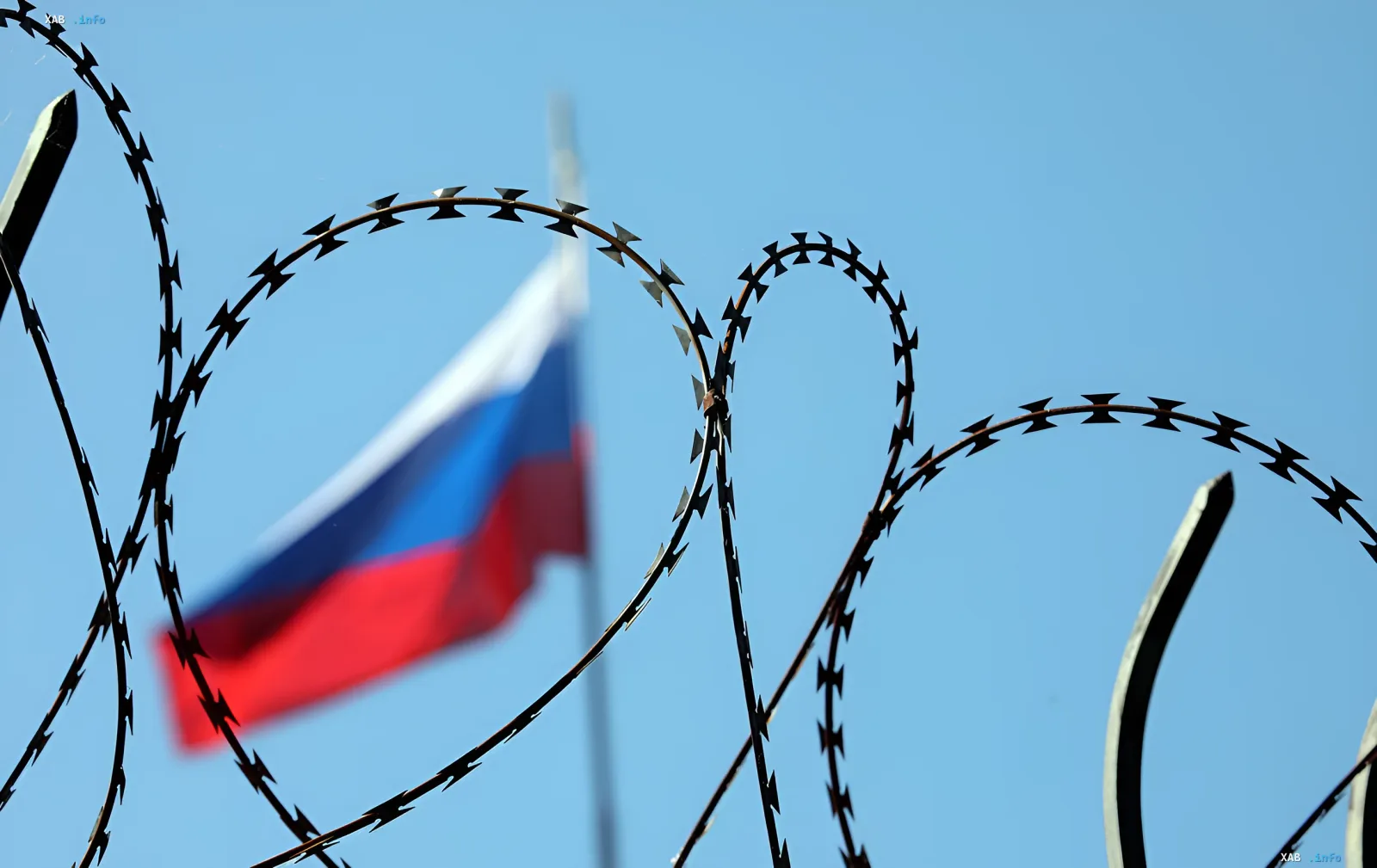
A diplomatic crisis is brewing in Brussels. Bulgaria has officially expressed disagreement with certain points of the 21st package of anti-Russian sanctions by the European Union. This decision could block the adoption of the entire new wave of restrictions, as the approval of sanctions requires a unanimous decision by all EU member states.
Who became the stumbling block?
According to data obtained by Politico from two diplomats, Sofia opposed the inclusion of Patriarch Kirill of Moscow and All Rus' in the sanctions list. The European Commission proposed introducing restrictions against the head of the Russian Orthodox Church, justifying this with his position of support for the war in Ukraine.
Bulgarian media, in particular BNR News, report that Sofia intends to defend the Russian spiritual leader. Within Bulgaria itself, the position of religious hierarchs is not uniform: of all the metropolitans, only Metropolitan Naum of Russia has officially taken a position. He joined the condemnation of the attack on the Kyiv-Pechersk Lavra expressed by Ecumenical Patriarch Bartholomew.
What else is included in the 21st package?
In addition to personal sanctions, the 21st package covers strategically important sectors of the Russian economy. The following sectors are targeted:
- Energy sector;
- Financial services;
- Trade and cryptocurrency sphere;
- Fisheries industry.
Also, Brussels is preparing a ban on entry into EU countries for former Russian servicemen involved in the war against Ukraine. At the same time, preparations for personal sanctions against almost 80 more Russian companies and individuals continue.
Consequences for diplomacy
The mechanism for adopting sanctions in the European Union is harsh: disagreement by any member state with part of the package blocks its adoption. Thus, Bulgaria's position puts the implementation of new measures at risk. Previously, the EU has already approved restrictions aimed at the Russian defense industry and the "shadow fleet," as well as extended sanctions introduced due to the occupation of Crimea and Sevastopol until at least June 23, 2027.


