
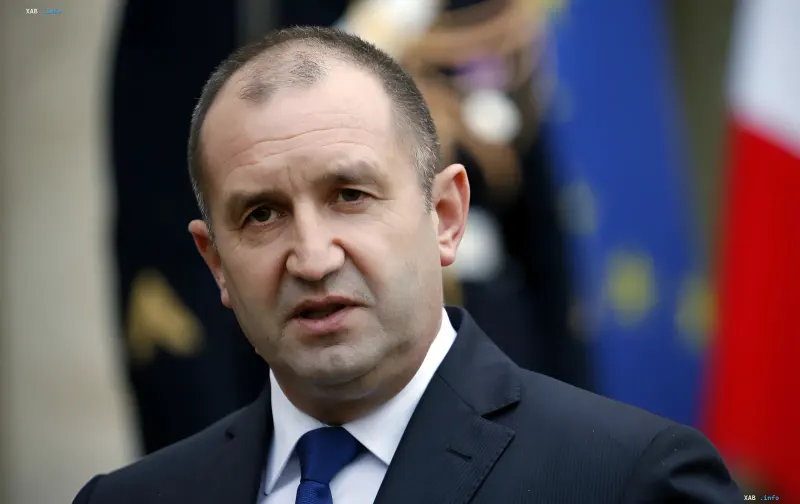
The Bulgarian government has officially changed its position on the new package of restrictive measures by the European Union. Despite having several significant objections, Sofia will not block the adoption of the 21st sanctions package against Russia and Belarus. This was reported by RBC-Ukraine citing the Bulgarian publication Novinite.
The decision was an unexpected turn for the Bulgarian leadership. Just a few days ago, after the European Council meeting in Brussels on June 19, Prime Minister Rumen Radev stated his readiness to use the right of veto. "We will not allow the cancellation of sanctions in this form; we have a vote, and we will use it," the head of the government threatened at the time.
Why did Sofia change its mind?
Although the government approved an official position supporting the document, Bulgaria will continue to lobby its interests and voice objections regarding specific individuals on the list. At the center of the diplomatic standoff are five key issues troubling Sofia.
The main stumbling block remains the possible inclusion of Patriarch Kirill in the sanctions list. The Bulgarian government is convinced that this step will not exert real economic pressure on Moscow but will become a powerful propaganda tool. The government document notes that such a measure will be used to fuel anti-European sentiments. Radev also appealed to history, reminding of the role of the Russian Orthodox Church in liberating Bulgaria from Ottoman rule.
The second point of disagreement concerns Vagit Alekperov, the former president and shareholder of the oil giant Lukoil. Bulgarian authorities fear that sanctions against him will hit their own economy, as the group's companies play an important role in the country. The Prime Minister directly pointed to the financial background: "LUKOIL" has filed an arbitration claim against Bulgaria for 3 billion euros. "We will not allow sanctions against Vagit Alekperov. That means we will shoot ourselves in the foot," Radev stated.
Significant concerns are also raised by the issue of spare parts supplies for the Sofia Metro. According to media reports, Sofia objects to sanctions against Russian businessman Iskander Mahmudov, as this could paralyze metro train maintenance.
Furthermore, in Sofia, they insist on the inviolability of sports, objecting to the inclusion of Sports Minister Mikhail Degtyarev in the list. A separate issue is Tolyatti Khimbank, linked to fertilizer supplies. Authorities fear that restrictions could affect the availability and prices of agricultural products.
Political context
The change in position comes against the backdrop of the well-known reputation of Prime Minister Rumen Radev, who is often called a proponent of pro-Russian views. Shortly after coming to power, his government decided to stop weapons supplies to Ukraine. Back in May, Radev called on the EU to take a leading role in negotiations with Russia, warning against attempts to defeat Moscow by military means. In June, he directly promised to block the 21st sanctions package, but now Bulgaria has agreed with the general course of the European Union, reserving the right to criticize individual details.


