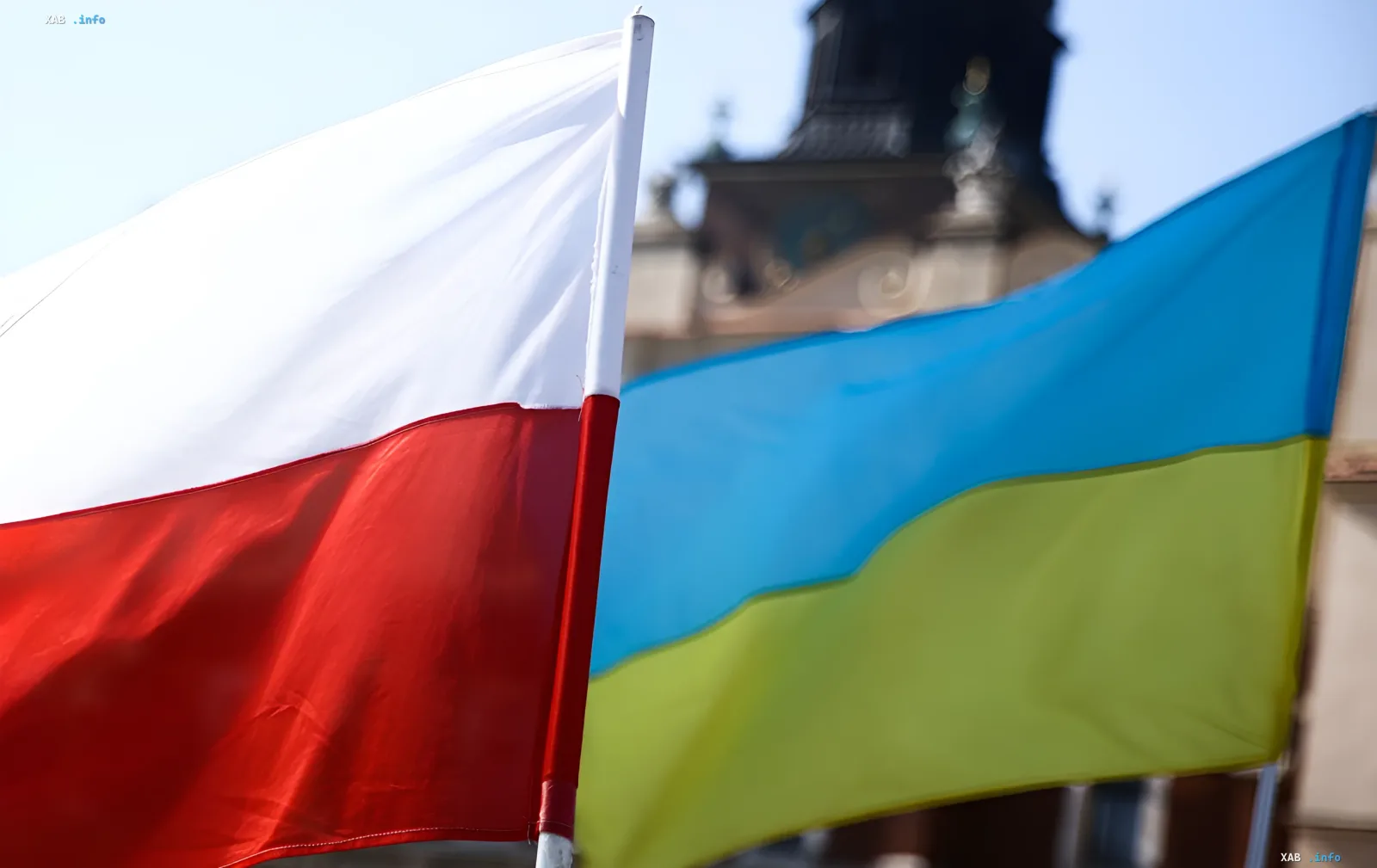
The political storm between Kyiv and Warsaw, sparked by historical disagreements, must not escalate into an economic crisis. This is the signal sent by the business communities of both countries, fearing that the rhetoric of leaders could destroy trade ties built over the years. Amidst mutual diplomatic protests and threats of stripping orders, the real economy demands pragmatism and stability.
Capital of Trust Under Threat
The Polish Council of Entrepreneurs has officially appealed to the authorities to lower the tension. The document appeared at the peak of the deterioration of relations, triggered by the decision of Ukrainian President Volodymyr Zelenskyy to name a military unit after the Heroes of the UPA. For Warsaw, this became a trigger reminding of the Volhynia tragedy, leading to the recall of the ambassador and threats to annul the highest state award for Zelenskyy — the Order of the White Eagle.
However, as noted in the Polish business community, political escalation should not come at a high cost to the economy. Over the years of the war between Ukraine and Poland, thousands of partnership ties have been formed. Poland has become Ukraine's main trading partner, and entrepreneurs consider this "capital of trust" too valuable to risk due to disputes in the corridors of power.
Politics Should Not Dictate to Customs
First Vice President of the Ukrainian Chamber of Commerce and Industry, Mykhailo Nepran, in a comment for RBC-Ukraine, urged not to view the situation solely through a political prism. In his opinion, the Ukrainian theme often becomes a tool during election campaigns in Poland, which was already observed in 2022–2023.
The expert is confident that the current escalation will not lead to official export restrictions. The key argument here is the separation of powers. The President of Poland is the head of state, but does not lead the government and executive branch. It is the cabinet of ministers that is responsible for the work of customs, and so far, there have been no negative signals from Warsaw about blocking the borders.
Nevertheless, Nepran admits that the human factor cannot be completely excluded. Individual delays or additional checks at the border are possible, but they should not become a systemic problem.
Alternative Routes: Plan B is Ready
Even in the event of logistical difficulties, Ukrainian business is today in a stronger position than a few years ago. At the beginning of the war, the Black Sea corridor was closed, and Poland remained the only way. Today the situation has changed:
- Logistical routes through Romania, Slovakia, Hungary, and the Czech Republic have been worked out.
- The Black Sea transport corridor is functioning, allowing cargo to be shipped by sea.
- Diversification of directions has been formed, reducing the risks of dependence on one neighbor.
"This is no longer the period when backup options practically did not exist. Even if certain difficulties arise, it will be unpleasant, but not critical," Nepran emphasized.
Business Chooses Work, Not War
Ukrainian business associations fully support the calls from Polish colleagues for de-escalation. Experts see the best response to political confrontation as continuing to work. The logic is simple: politicians should deal with their historical and diplomatic issues, while business should continue to generate added value and support the economy.
The situation demonstrates the presence in Poland of a significant number of representatives of power and business interested in maintaining normal economic relations. Despite loud statements at the presidential level, the pragmatic course of Donald Tusk's government and the interests of entrepreneurs act as a buffer against a possible trade war.


