The recent scandal surrounding the "Carpathian Eight" (C8) summit held on Ukrainian territory, along with the disclosure of an oil storage agreement between MOL and Naftogaz, has significantly strained the diplomatic dialogue between Budapest and Kyiv. The new regional association, established to strengthen investments and regional ties, faced major controversies right at its inception. Both sides had hoped to overcome years of disagreements stemming from the tenure of former Prime Minister Viktor Orbán, but the initiative met with strong resistance from the Hungarian leadership.
The Core of the Diplomatic Conflict
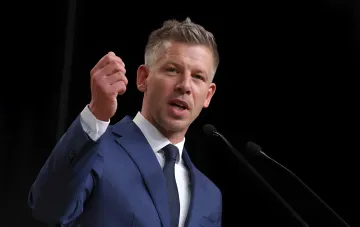
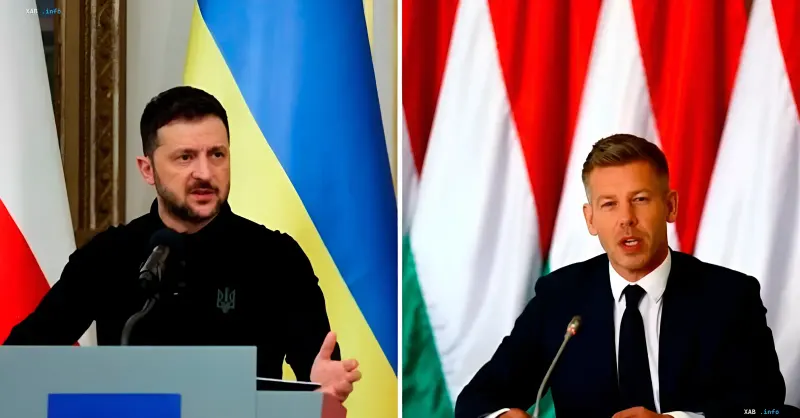
On the evening of September 21, the Hungarian Prime Minister and Ukrainian Foreign Minister Andrii Sybiha engaged in a public online discussion that escalated into sharp mutual accusations. The head of the Ukrainian Foreign Ministry accused the Hungarian PM of continuing his predecessor's obstructionist policies after the PM stated in parliament that Hungary had been mistakenly included in the C8 initiative without prior consultations and consent. In response, Budapest emphasized the unacceptability of unilaterally including a sovereign state in international formats, noting that comparisons to Orbán's policies were incorrect and counterproductive.
Contradictory Data
During the coverage of the summit in Bukovel on September 24, led by Ukrainian President Volodymyr Zelenskyy, significant discrepancies emerged regarding the level of Hungarian representation. The Ukrainian side insisted that the presence of the Hungarian chargé d'affaires was a form of official participation, despite his failure to sign the final statement. Meanwhile, Hungarian diplomatic sources and media reports clearly stated that Budapest had warned in advance about the absence of its leader and delegation, considering the country's inclusion in C8 without the head of government's signature invalid and erroneous.
Historical Context and the Language Issue
This incident has reignited long-standing disputes regarding the rights of the Hungarian ethnic minority in Zakarpattia, numbering about 100,000 people. Relations between the two countries have remained strained since 2017, when Ukraine adopted an education law affecting the language rights of national minorities. Despite the new Hungarian government's stated desire to establish a constructive dialogue and assist Ukraine in its European Union integration process, language and cultural factors continue to exert a strong destructive influence on bilateral diplomacy.
Analysis of Consequences for European Integration
The developments deal a serious blow to the efforts of recent months aimed at paving the way for Ukraine to open new EU accession negotiation chapters. Although economic ties continue to function—as evidenced by the oil deal between MOL and Naftogaz—political distrust between Budapest and Kyiv persists. Experts note that without resolving regional disagreements and establishing mechanisms of mutual respect for sovereignty, the process of Ukraine's rapprochement with the EU and the strengthening of Eastern European security could face severe new barriers.