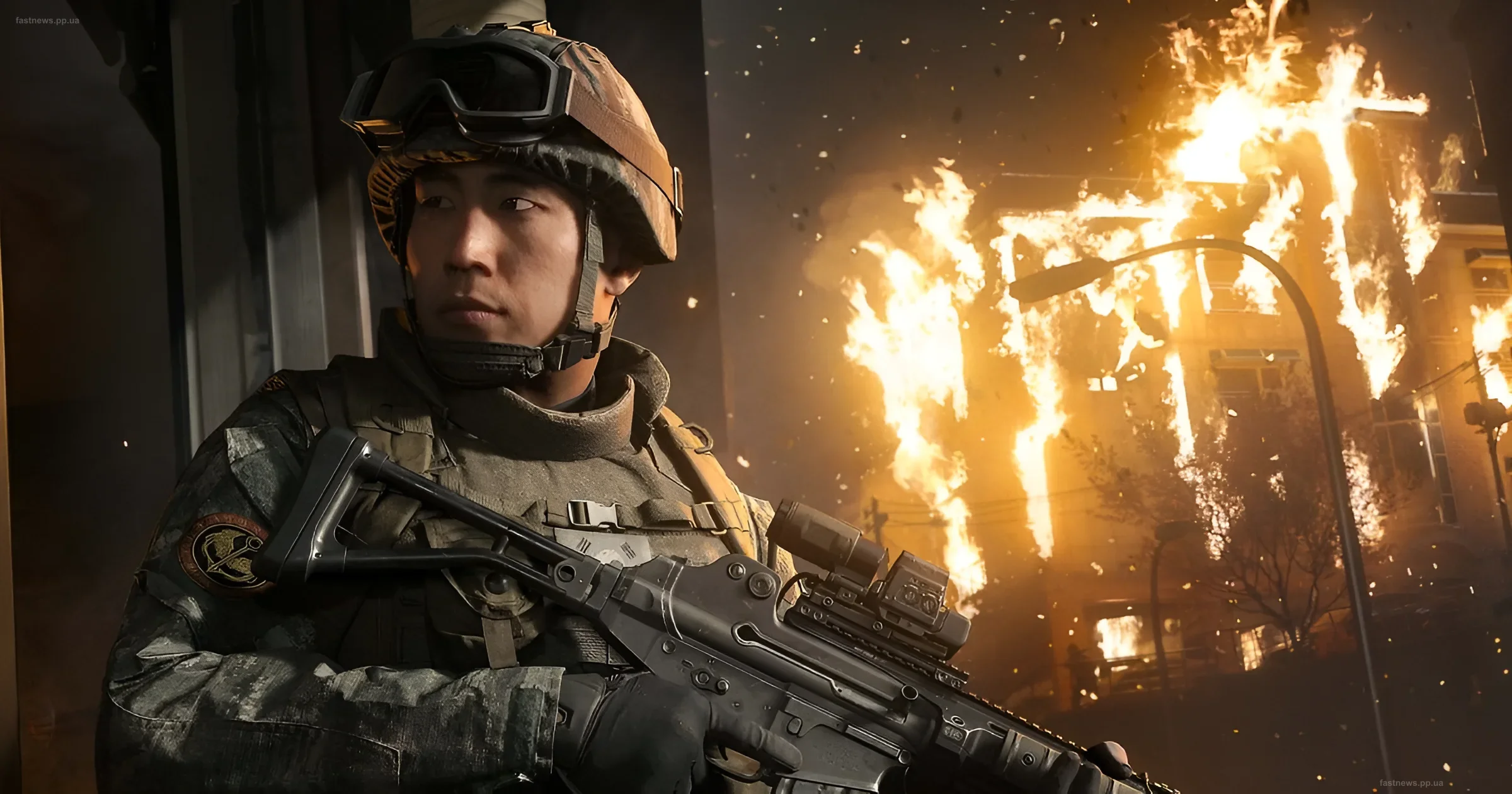
The era of fictional corporations and abstract threats in Call of Duty seems to be coming to an end. Developers at Infinity Ward are preparing shock content for release in 2026: in the new Modern Warfare, the villains are real North Korean soldiers, and the target of the attack is Seoul. This decision returns the series to its roots of political realism, which in recent years has been replaced by safer, but less sharp plots.
The storyline of the new game offers players the chance to try on the uniform of South Korean conscripts. Instead of the usual super-soldiers of special forces, gamers will find themselves in the role of ordinary young people, whose routine service at a 7-Eleven store will be interrupted by the start of a full-scale invasion. A fictional North Korean leader orders the capture of South Korea, which instantly escalates into a global conflict covering Europe and other regions of the world.
Such a turn of events in an industry where publishers are afraid to even hint at real conflicts looks like a bold step. While competitors, such as the creators of Battlefield 6, prefer to use fictional PMCs to avoid offending the Chinese and Russian markets, Activision is going all in. The game's campaign will take players to Paris, New York, and Mumbai, but the central element will be virtual reconstructions of the Korean peninsula.
Experts and journalists note that the topic of war on the Korean peninsula remains acute and painful. For South Korea, this is not just a story from a textbook, but a reality where peace treaties have not been signed and families are divided by the border. South Korean journalist Hanchu Song emphasizes that the game will inevitably touch the feelings of many, as mandatory military service and the threat of conflict are part of the daily life of every South Korean.
Developers promise that they approached the creation of the script with maximum responsibility. The Infinity Ward team consulted with veterans, refugees, and experts to depict the closed-off North Korea and the tense atmosphere in the south as accurately as possible. Are players ready to accept the challenge and see how the game can become a catalyst for talking about real geopolitical threats?


