
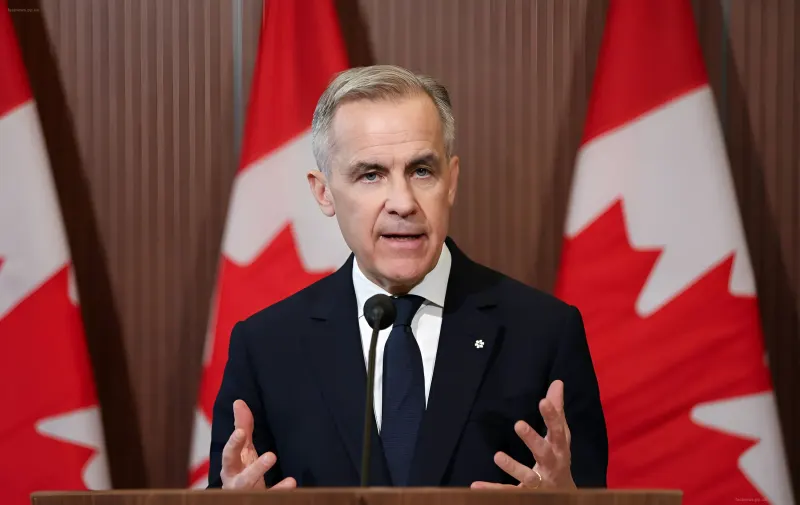
In the world of defense procurement, an unexpected turn of events has occurred: Ottawa has officially abandoned plans to acquire American reconnaissance systems in favor of Swedish technology. Prime Minister Mark Carney confirmed that Canada is finalizing a deal to purchase Saab's GlobalEye airborne early warning aircraft. This decision marks a fundamental shift in the country's geopolitical strategy, aiming to reduce critical dependence on Washington.
The End of the Boeing Era and the Choice of Saab
For a long time, the favorite in the tender was the American E-7 Wedgetail project by Boeing. However, delivery delays and the relentless rise in contract costs forced Canadian officials to reconsider their priorities. Ultimately, the choice fell on the Swedish GlobalEye. This is not just a matter of saving money, but also technological logic: the Swedish aircraft is based on the Bombardier Global 6500 platform—a development with Canadian roots. Thus, purchasing a "European" aircraft effectively invests in local industry.
Geopolitical Context: From Annexation Threats to Diversification
Carney's decision has deep political undertones. Against the backdrop of aggressive rhetoric from Donald Trump, who previously stated his intention to make Canada the 51st US state and threatened 100% import tariffs, Ottawa is forced to seek new ways to ensure security. The Prime Minister directly stated that threats from the neighbor have compelled Canada to diversify defense procurement. Now, control over 4.4 million square kilometers of Arctic territory will be exercised using own and allied resources, rather than solely looking to Washington.
Echoes for the Entire Defense Industry
The deal with Saab is just the beginning of a massive restructuring. Another giant program is also in question—the procurement of 88 F-35 fighters from Lockheed-Martin. The government is already discussing the possibility of reducing this order and replacing part of the fleet with Swedish Gripen fighters. For Sweden, this is a strategic victory: Saab promises to invest in Canadian R&D, and Prime Minister Ulf Kristersson has already called this decision a step towards bringing the two countries closer together.


