A large-scale process of capital redistribution is unfolding in Russia. Major entrepreneurs, including those traditionally considered loyal to the country's leadership, are rapidly moving assets abroad. According to Bloomberg, based on financial documentation and transaction registers, this trend is driven by fear of forced expropriation of property and a deep budget crisis.
The market is signaling a systemic shift: business is no longer confident in the preservation of its assets within the country. Instead of classic bank transfers, which have become inaccessible due to sanctions and disconnection from SWIFT, investors have switched to alternative instruments and jurisdictions.
Causes of panic: from deficit to nationalization
The main driver of capital outflow has been precedents of de-privatization. Over the last period, the General Prosecutor's Office of the Russian Federation has initiated the return to state ownership of dozens of large enterprises in the metallurgical, chemical, and agro-industrial sectors. These actions have served as a signal to the business community that private property may be subject to review.
An additional factor of concern has been public admissions by top management of major financial institutions, including Sberbank, regarding structural problems in the economy. Experts note that the reorientation of the budget towards defense spending creates a deficit that the state will attempt to cover through fiscal pressure on large businesses.
"Representatives of large businesses are aware of the risks of changing the rules of the game. Under strict budgetary constraints, the state is forced to seek additional sources of income, which increases the likelihood of reviewing the results of privatization," note independent financial analysts.
New routes for money: from the UAE to cryptocurrencies
Due to the blocking of traditional channels for cross-border transfers, Russian investors are forced to use complex schemes. According to market analysis, three main directions for withdrawing funds have emerged:
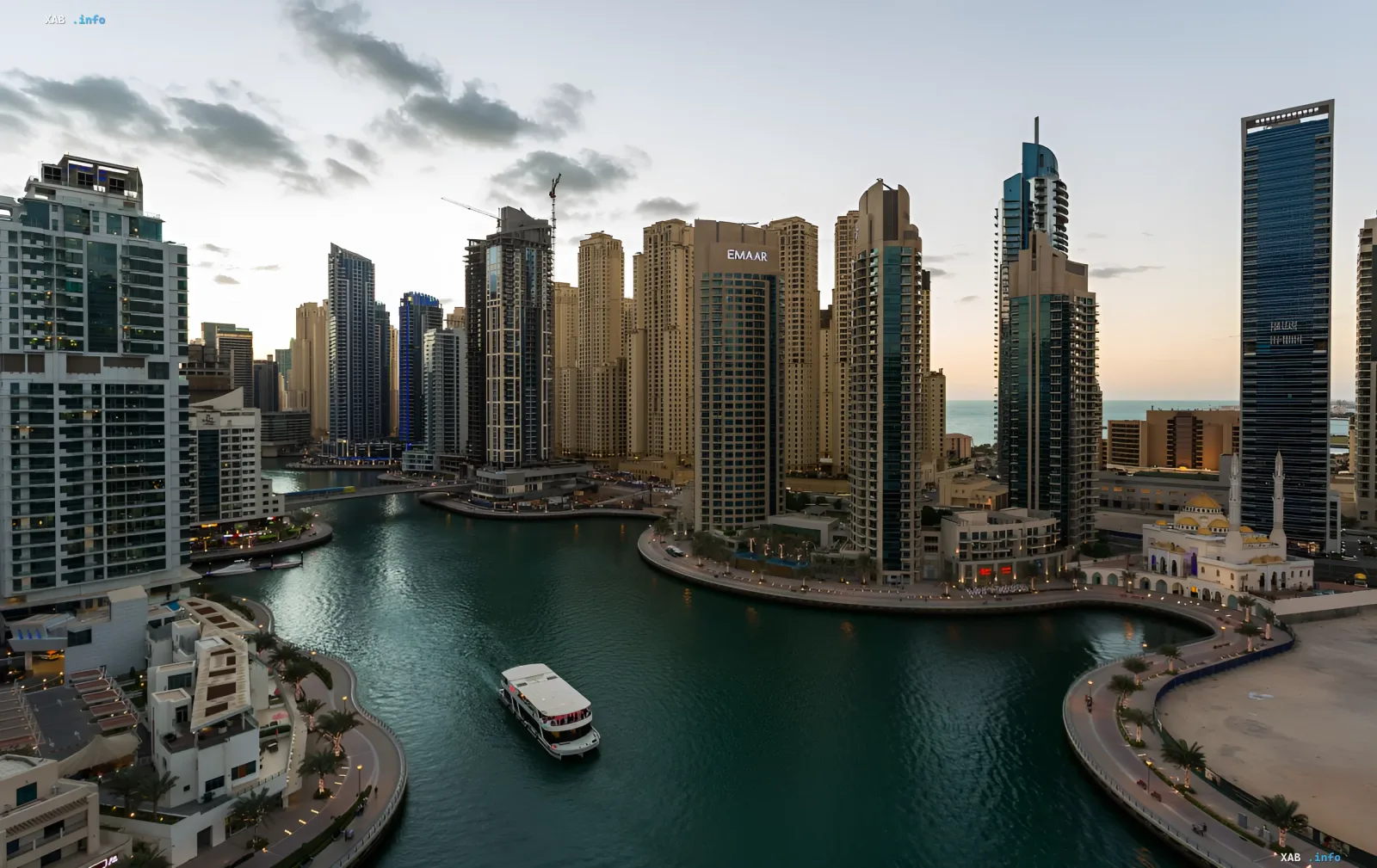
- Cryptocurrency assets: The main hub is Dubai and Hong Kong. Transactions are conducted through OTC platforms using stablecoins (USDT). The level of compliance control here is average and depends on the jurisdiction of the platform.
- Precious metals: Direction — countries of the Persian Gulf. The scheme involves purchasing physical gold inside Russia and its subsequent export. This channel is characterized by high state control.
- Elite real estate: Main locations — UAE and Oman. Investors prefer direct investment in construction projects and closed funds. For non-residents from Russia, there is minimal compliance control here.
Structural shifts and preventive measures
Lawyers specializing in international law emphasize that the current redistribution is preventive in nature. Entrepreneurs are seeking to diversify risks by moving funds out of the jurisdiction of Russian authorities before new waves of currency control are introduced.
The creation of trusts and family offices in friendly jurisdictions that do not support Western sanctions packages is becoming popular. However, it should be noted that operations with cryptocurrencies and precious metals bypassing banking systems are under close scrutiny by regulators OFAC and FATF, which monitor attempts to circumvent sanctions.