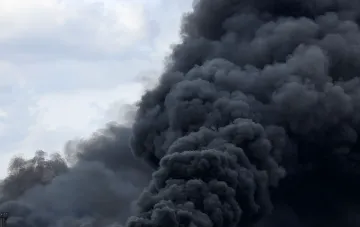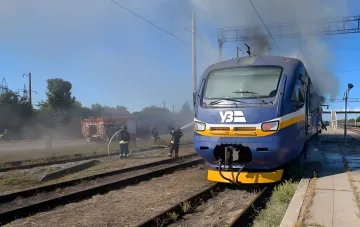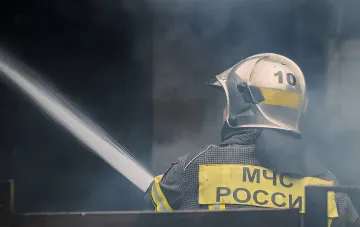

On the morning of October 1, 2026, an emergency incident occurred on the 19th floor of an apartment building on Belorusskaya Street in Odintsovo, near Moscow. A small 200-milliliter tourist gas cylinder exploded inside an empty apartment where the only living occupant was a domestic cat.
Chronology and Details of the Incident
According to emergency services, the incident resulted in no human casualties or injuries, as the owners were not at home at the time of the explosion. Emergencies Ministry rescue teams arrived at the scene and recorded structural damage: the blast wave shattered window glass, damaged the balcony section of the apartment, and completely destroyed the interior partition wall separating the living space from the common hallway. No open burning was observed after the blast.
Emergencies Ministry Version: The Pet's Role
The main version of events voiced by Emergencies Ministry representatives points to unintentional interference by the unsupervised cat. According to preliminary expert conclusions, the small portable gas cylinder was placed in close proximity to an electric stove. The pet may have accidentally touched or activated the touch-sensitive or rotary controls of the stove, causing it to turn on. The resulting heat led to the detonation of the cylinder.
Contradictory Data
While official Russian agencies and media outlets, including RBC and TASS, focus on the version involving the activated electric stove and technical details of the damage, foreign and alternative news aggregators (such as Ukrainian and Turkish publications) emphasize headlines stating that a cat caused the explosion, sometimes exaggerating the degree of the animal's culpability. Nevertheless, the technical core of the event—the proximity of a gas source to a heating appliance—remains consistent in reports from specialized experts.
Consequences and Safety Measures
The incident in Odintsovo caused a significant resonance in social networks and mass media, serving as another reminder of safety rules. Russian Emergencies Ministry officials once again emphasized that it is strictly forbidden to store gas cylinders, aerosol cans, and fuel canisters for portable stoves near heat sources and open flames. The exact causes and circumstances of the emergency are being investigated.