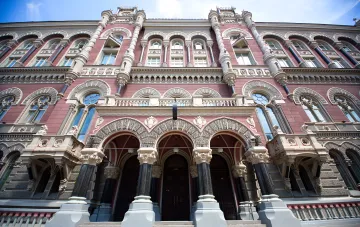
August 12, 2026, marked a turning point for the Russian financial market. The Central Bank of Russia officially published a draft instruction allowing the circulation of major global cryptocurrencies on Russian exchanges. This decision was the final note in the implementation of the law on the legalization of digital assets, signed by President Vladimir Putin on August 4 of the current year. The document comes into full force on September 1, 2026, recognizing cryptocurrencies as property and establishing strict frameworks for their circulation.
List of Approved Assets and Limits for Non-Qualified Investors
The regulator has determined a clear list of digital currencies available for purchase on exchange platforms. For non-qualified investors, i.e., ordinary citizens, access will be limited to the three most liquid assets: Bitcoin (BTC), Ethereum (ETH), and the stablecoin Tether (USDT). It is important to note that the purchase of these assets is possible only through one intermediary, and a strict limit is set — no more than 300,000 rubles per year. This decision aims to protect citizens from the high risks of market volatility while maintaining the possibility of using cryptocurrencies for international transfers.
Full Freedom for Qualified Investors
Unlike ordinary citizens, qualified investors will receive significantly broader opportunities. They are allowed to purchase any cryptocurrencies both on the exchange and over-the-counter markets. However, regardless of status, all market participants must undergo mandatory testing on their understanding of the risks of investing in digital assets. This requirement has been introduced to minimize unjustified losses and increase financial literacy among the population before entering the market.
History of the Issue: From Concept to Law
The path to legalization was long and difficult. The concept of cryptocurrency regulation was presented by the Bank of Russia as early as December 2025, where the idea of admitting non-qualified investors was first voiced. In April 2026, the regulator confirmed that it did not intend to raise limits due to the high risks of operations. First Deputy Governor of the Central Bank Vladimir Chistyukhin emphasized that access to cryptocurrencies for ordinary people is necessary primarily for transfers abroad, not for speculative operations. The law signed by the president will come into force on September 1, giving exchanges and brokers a month to technically prepare the infrastructure.
Contradictory Data
During the discussion of the draft instruction, there were discrepancies in the interpretation of the status of stablecoins. Some initial leaks mentioned that Tether (USDT) might be restricted due to the lack of transparency of the issuer, however, in the final version of the document published on the Central Bank's website, USDT is included in the list of approved assets for non-qualified investors. Furthermore, there is uncertainty regarding the launch dates of trading: although the law comes into force on September 1, exchanges may start working with new assets as early as the end of August, creating a time gap between legal and factual availability.
Impact on the Market and International Consequences
Opening exchange access to cryptocurrencies in Russia could significantly affect the global digital asset market. Russian investors, previously forced to use gray schemes and foreign platforms, will now have a legal tool for working with cryptocurrencies. This could lead to an increase in trading volumes and increased liquidity in the Russian market. However, strict limits for non-qualified investors may limit capital inflow and prevent Russia from becoming a major player in the global cryptocurrency market in the short term.