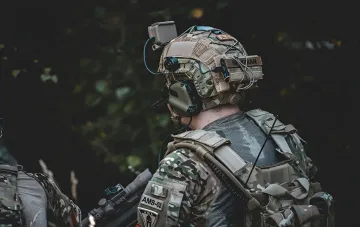
The Center for Countering Disinformation (CCD) has recorded a new wave of mass dissemination of fabricated materials on social media. Under the guise of real tragic events related to Russian shelling, bots and unscrupulous authors are publishing images generated by artificial intelligence.
According to data received from the CCD and published by RBK-Ukraine, the goal of such publications is not to inform, but to exploit the emotions of Ukrainians to inflate reach, gain subscribers, and collect personal data.
Manipulation mechanics: from 'shocking' content to data theft
The scheme of operation for disinformation channels is honed to the finest detail. The algorithm of actions for malicious actors looks as follows:
- Content generation: Using neural networks, realistic-looking images are created. They allegedly depict deceased or injured Ukrainians as a result of strikes on civilian objects.
- Emotional trigger: Aggressive captions are added to the photos, provoking anger, fear, or grief. The text urges users to react immediately to the 'terrible news'.
- Call to action (CTA): The description contains a requirement to follow an external link to see the 'full list of victims', 'evidence', or 'details of the event'.
CCD experts note that clicking on such links carries serious risks:
- Reach inflation: Emotional footage provokes users to react and comment, artificially inflating the channel's virality.
- Data collection: Suspicious links may lead to phishing sites where account credentials are stolen or confidential information is collected.
- Traffic redirection: Users are redirected to dubious Telegram channels or resources for subsequent propaganda.
How to recognize a generated image
Although modern neural networks are becoming more sophisticated, they still leave characteristic traces. CCD specialists have compiled a checklist of signs by which you can distinguish an AI fake from a real photo:
- Anatomical errors: The most common problem with generative models is hands. Pay attention to the number of fingers, their length, and curvature. Often, fingers merge or have an unrealistic structure.
- 'Waxy' face: The skin in the photo may look too smooth, without texture. Facial features may be asymmetrical, eyes may have a strange shine, or pupils may be distorted.
- Blurry background: Objects in the background often lose their geometry, blend into a mess, or have impossible shapes.
- Text and symbols: Neural networks struggle with letters. If there is text on clothing, signs, or equipment, it is often blurred, distorted, or written in non-existent symbols.
- Lack of context: The description lacks specifics: the exact location and time of the event are not specified, and there is no link to the primary source (e.g., the Armed Forces of Ukraine press center or local authorities).
Recommendations for digital hygiene
In the conditions of an information war, critical thinking becomes the main tool of defense. The CCD calls on citizens to follow basic safety rules:
- Do not click on suspicious links, especially if they are attached to emotionally charged messages.
- Do not subscribe to channels that speculate on tragedies without confirming facts.
- Verify information in official sources before liking or reposting material.
The spread of fakes destabilizes the emotional state of society and distracts attention from real problems. Awareness is the best protection against manipulation.