
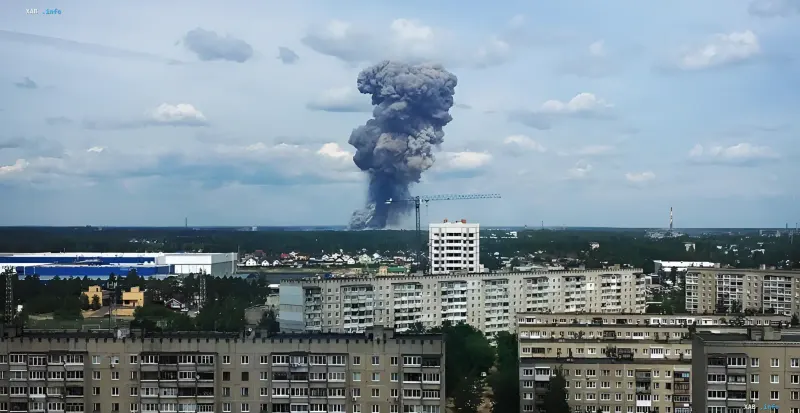
Incident in Dzerzhinsk: A Blow to a Strategic Link in the Defense Industry
On August 19, 2026, a large-scale incident occurred in the industrial zone of Dzerzhinsk, Nizhny Novgorod region, affecting the Federal State-Owned Enterprise (FSE) "Y.M. Sverdlov Plant". According to monitoring data and satellite imagery, the attack caused fires and damage to key workshops of the enterprise, which is one of the basic elements of the explosive (HE) and ammunition production chain in Russia.
Experts note that the vulnerability of special-purpose chemical clusters is becoming a critical factor in assessing the resilience of the defense industry. Unlike machine-building production, chemical plants operate in continuous cycles, where local infrastructure damage can trigger a cascading failure throughout the entire technological chain.
Technological Specifics: Critical Nodes of HE Synthesis
The production of explosives such as TNT, RDX, and HMX represents a complex interconnected system. Key risks for the FSE "Sverdlov Plant" are associated with damage to auxiliary infrastructure that ensures process continuity:
- Nitration reactor blocks: These units operate within strictly controlled temperature ranges. Disruption of heat exchange or pipeline damage requires immediate emergency shutdown, as the risk of uncontrolled exothermic reactions increases manifold.
- Drying and granulation complexes: Final processing stages are associated with high fire hazards. Damage to ventilation or automatic fire suppression systems blocks the operation of adjacent workshops, creating a "bottleneck" effect.
- Energy infrastructure: Cessation of steam or compressed air supply leads to product crystallization in pipelines, requiring prolonged system flushing before restart.
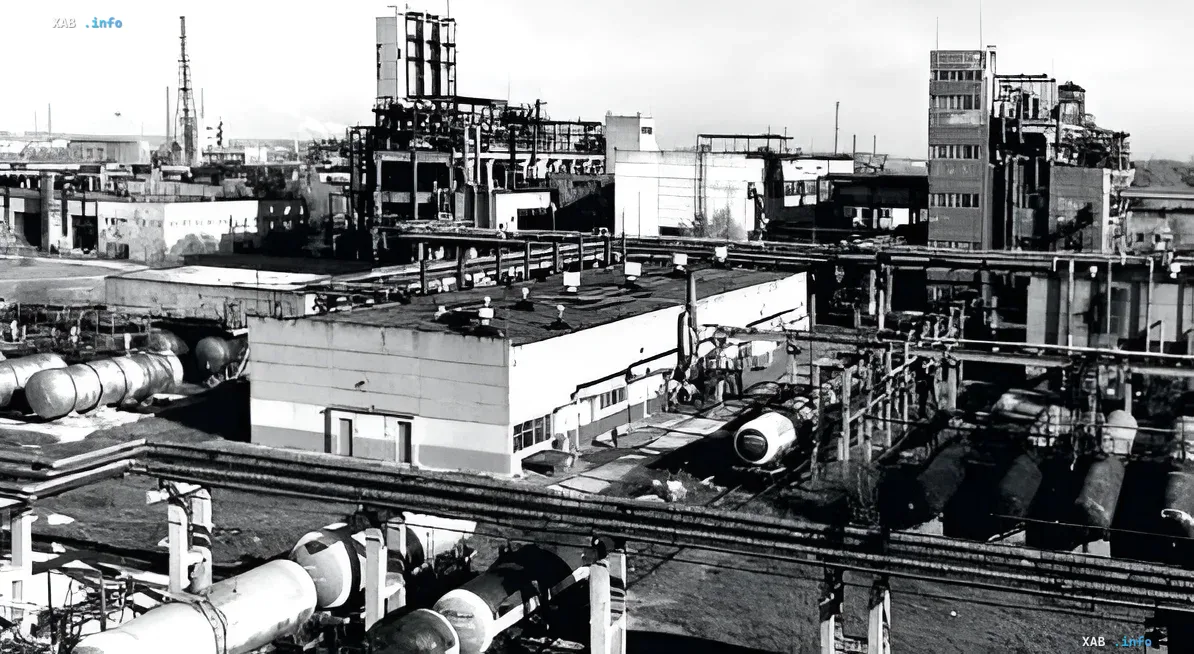
It is important to note that the purification and regeneration technological unit is also critical. The disposal of acidic wastewater and acid recovery are regulated by strict environmental standards, and disruption of these processes could lead to an environmental catastrophe, paralyzing the plant's operations for an indefinite period.
Structure of Capacity Duplication in Defense Chemistry
The FSE "Sverdlov Plant" historically accumulates a significant share of capacity for the synthesis of high explosives. In the event of a reduction in the throughput of the Dzerzhinsk node, the redistribution of loads is limited by the number of operating specialized enterprises:
- FSE "Biysk Oleum Plant" (Altai Krai): A major producer of oleum and special-purpose explosives. Distance from the western borders reduces external risks, however, the site has limitations on packaging volume and logistical reach.
- JSC "Solikamsk Plant 'Ural'" (Perm Krai): Specializes in propellants and solid rocket fuels, but cannot fully replace Dzerzhinsk's product range.
- FSE "Alekseevsk Chemical Combine" (Tula Region): Focused on nitrocellulose propellants, but is also within the potential range of unmanned systems.
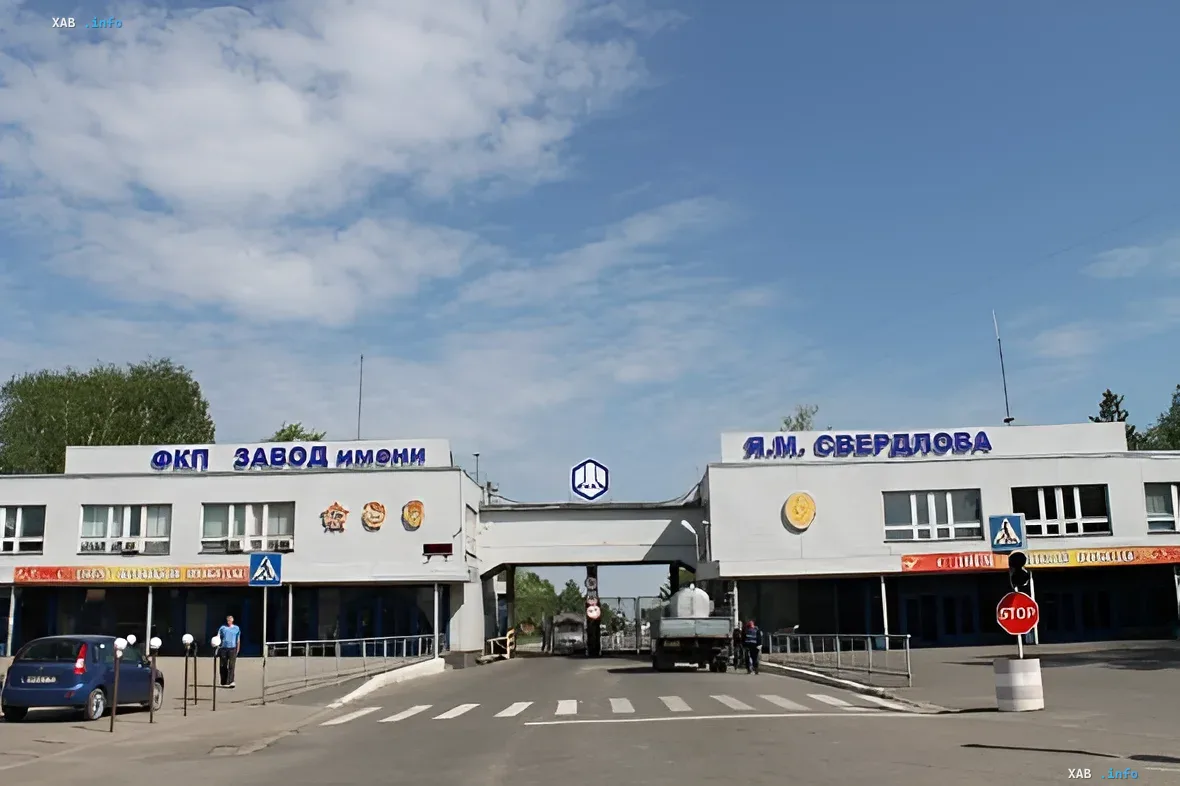
Full replacement of a specific combine's product range is difficult due to the narrow specialization of ammunition workshops for specific calibers (from 122-mm and 152-mm artillery shells to FAB-500/1500 general-purpose bombs).
Impact on Ammunition Assembly Rates
Ammunition production consists of three independent components: the metal casing, the propellant charge, and the bursting charge. Interruption of finished explosive supplies from chemical plants creates a temporary cash gap at the assembly stage:
- Inertia of stockpiles: Final assembly enterprises typically maintain a raw material and explosive reserve for 2 to 6 weeks of standard operation. This creates a temporary buffer but does not solve the problem of long-term resilience.
- Complexity of restorative repairs: Regulatory work on high-risk chemical industry objects requires industrial safety expertise and certification of restored vessels, increasing downtime compared to general industrial objects.
- Logistical reach: Redirecting raw material flows to Siberian enterprises (Biysk) extends the production cycle by 10–14 days due to the rail transit of semi-finished products to assembly plants in the European part.
In accordance with the Federal Law "On Industrial Safety of Hazardous Production Facilities," any unscheduled shutdowns of special-purpose chemical reactors require a full technological audit before resuming the production of defense orders.
Contradictory Data
Open sources show discrepancies in assessing the scale of damage and the current operability of the enterprise. On one hand, satellite images and video materials record breaches and active fire foci in the plant's workshops, confirming the fact of physical infrastructure damage (Source ID 3, ID 4). On the other hand, official statements from enterprise representatives and regional authorities may not reveal the full picture, citing secrecy regimes and the need for expert damage assessment.
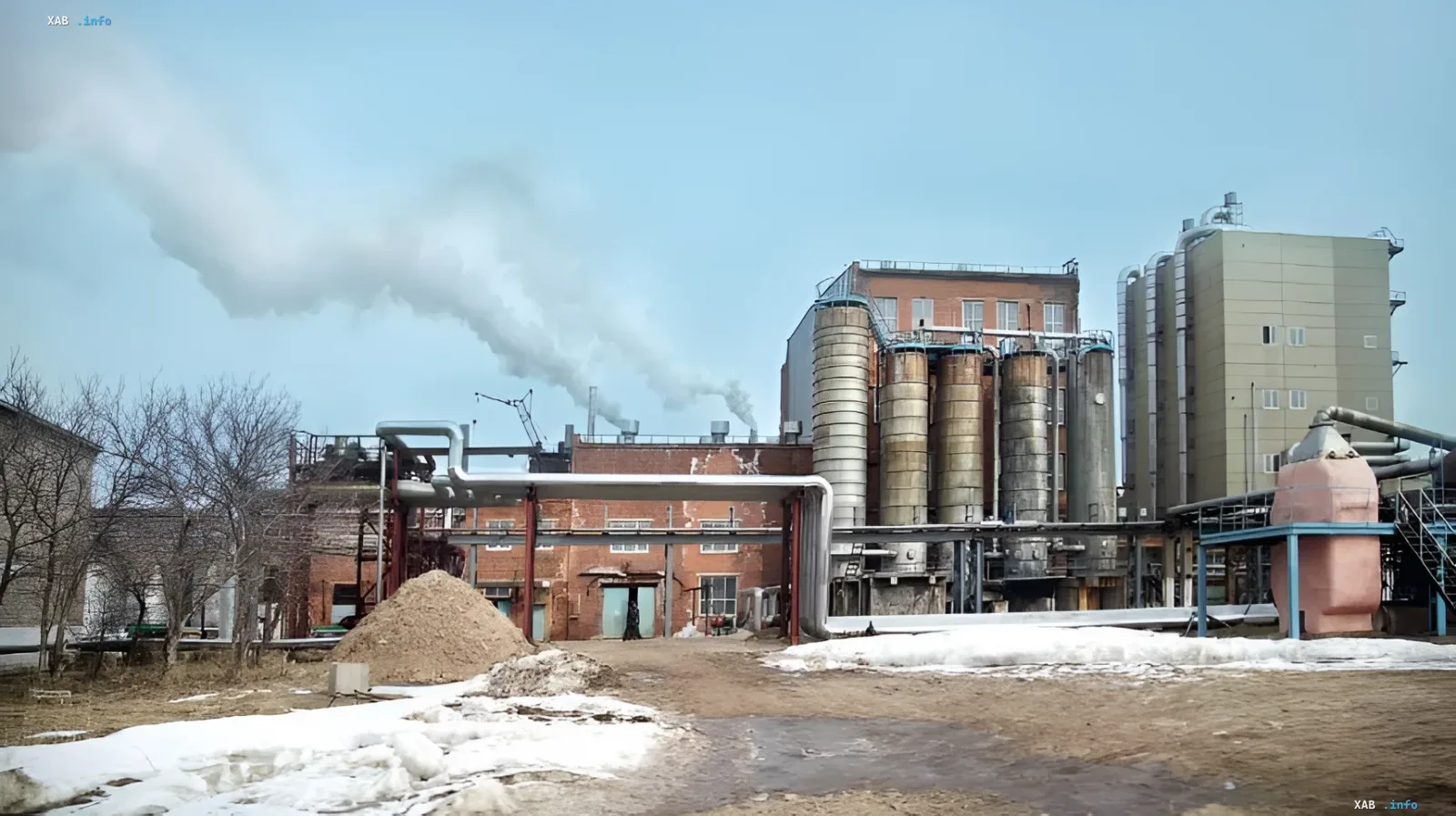
Experts note that even with partial restoration of capacity, full return to planned production indicators may take 3 to 6 months, which will significantly affect the rates of artillery ammunition supply in the near future.


