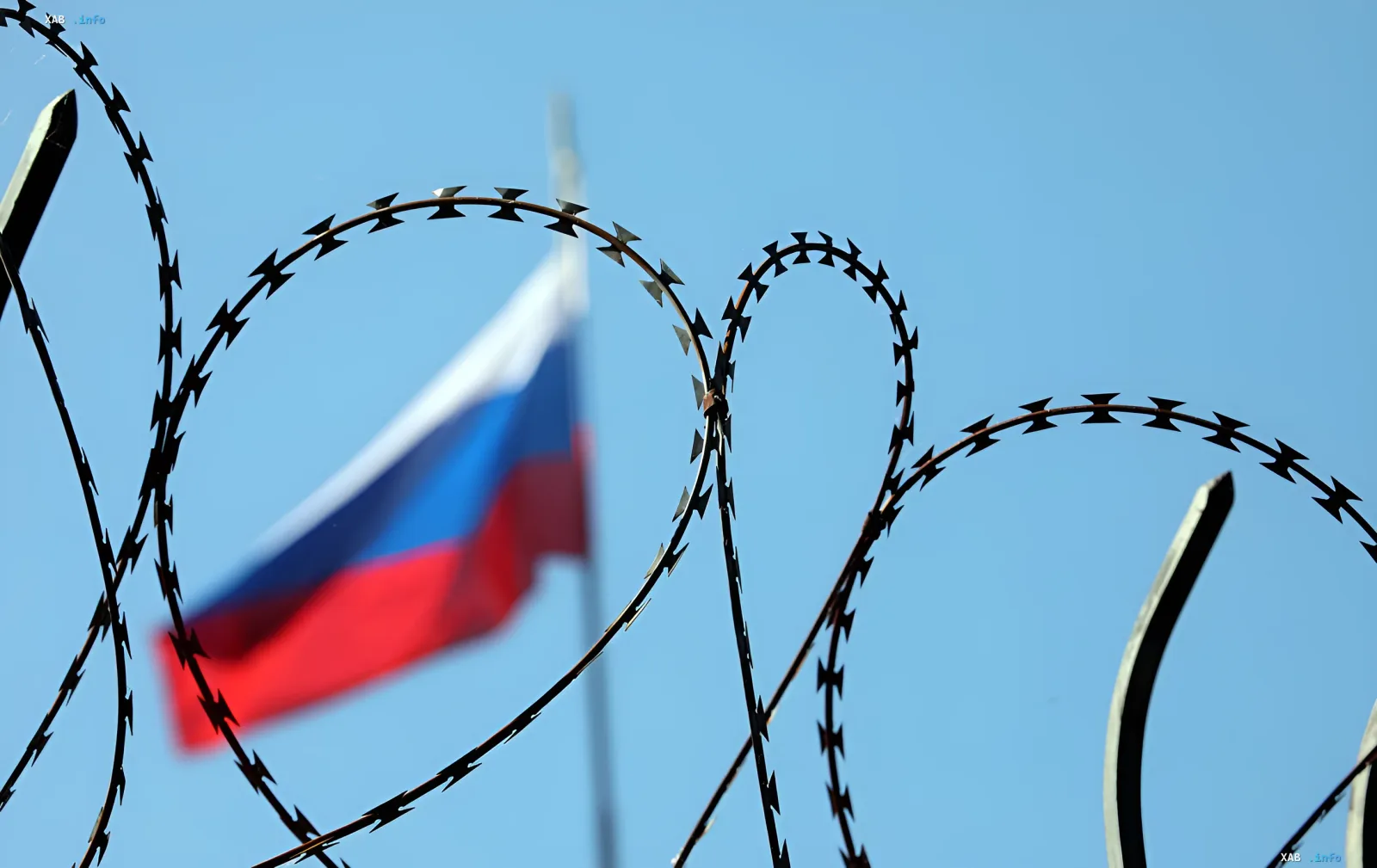
The European Union has taken an unprecedented step in its sanctions policy. Ambassadors of the bloc's member states officially approved the decision to extend sectoral economic restrictions against Russia for a period of 12 months. This was reported by Rikard Jozviak, Europe editor for Radio Free Europe, citing data from Brussels.
This decision marks a historic change in procedure. Previously, the EU renewed economic measures exclusively for six-month periods. This format required leaders of member states to conduct complex negotiations and reach unanimous agreement every six months. Now, the transition to an annual cycle allows for a significant reduction in the frequency of these politically tense procedures.
Protection Against Internal Extortion
The change in the extension period of sanctions is dictated by real political challenges within the bloc. Experience from previous years has shown that the short six-month cycle gave pro-Russian leaders of certain states the opportunity to pressure their colleagues. Regular attempts to stall or block sanctions packages were used as a tool of extortion to obtain their own political or economic preferences.
The transition to an annual format deprives opponents of the ability to use the extension procedure as a lever of influence, ensuring the stability of pressure on the Russian economy.
Synchronization with New Blows
This decision is not isolated. It is synchronized with the preparation of new large-scale economic measures against the Kremlin. EU leaders have agreed on a strategy according to which the main blow of the next restrictions will be directed at Russia's energy sector.
The European Union continues to expand the spheres of pressure, revealing details of the 21st sanctions package. New measures by the European Commission include:
- Banning entry into Europe for persons linked to the occupation;
- Restrictions in the field of Russian financial services;
- Control of cryptocurrency operations;
- Restrictions in the fishing sector introduced for the first time.
Thus, Brussels is changing tactics: from frequent routine coordination to long-term planning, while simultaneously increasing the intensity and breadth of economic restrictions.


