The Ukrainian lifting equipment market has encountered a massive influx of budget products imported from Turkey and China. Following the escalation of full-scale hostilities, import supplies have surged significantly, with the number of Turkish supplier companies alone reaching approximately sixty operating in Ukraine. This situation raises serious concerns among industry experts and domestic manufacturers who point out systemic risks to the safety of residents in multi-story residential buildings.
The Problem of Compliance with European Safety Standards
The primary issue with budget imports is not total manufacturing defects, but rather the equipment's failure to meet stringent European safety standards that Ukraine adopted as part of legislative harmonization with the European Union. Chinese and Turkish manufacturing plants often produce items according to domestic or alternative regulations that do not consistently account for European fire safety requirements for high-rise buildings. This generates hidden vulnerabilities for the infrastructure of modern Ukrainian cities.
Fire Hazards and the Issue of Airlock Systems
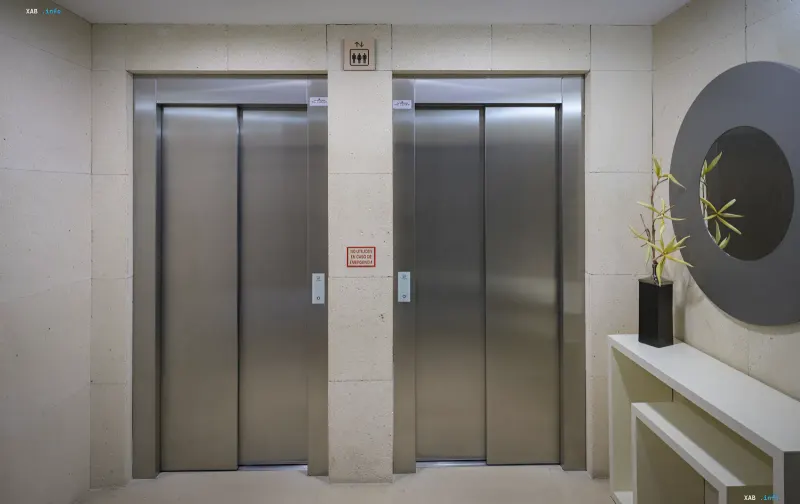
Experts view the structural design features of fire-resistant doors as a critical hazard. According to European technical regulations, residential buildings higher than 18 floors must feature strictly fire-resistant elevator doors on every single floor. Otherwise, in the event of a fire, the elevator shaft functions as a vertical chimney, capable of instantly spreading flames across all floors. In contrast, manufacturers in Turkey and China frequently utilize airlock systems instead of actual fire-resistant elevator doors, an option some cost-cutting developers choose amid wartime economic pressures.
Phantom Companies and Spare Parts Shortages
Fly-by-night import companies have become a serious market challenge. Having imported a small batch of just two or three elevators, such entities frequently dissolve only to register new corporate identities later. Consequently, consumers and housing cooperatives (HOAs) are left without warranty support or any legal recourse in the event of accidents. Furthermore, logistic bottlenecks mean that waiting for basic replacement parts—such as floor call buttons—from China can stretch out for many months, leaving residents with non-functional elevators.
State Support for Domestic Manufacturers
Amid the prevalence of cheap imports, domestic manufacturing plants, specifically the Euroformat Elevators group of companies, rely heavily on production localization and state incentive programs. The ongoing national compensation program allows elevator buyers from an approved list to reclaim 15% of the purchase price excluding VAT, provided that local production localization reaches at least 40%. According to company management, the level of Ukrainian localization reaches 62%, allowing them to effectively compete with cheap foreign alternatives while ensuring high safety standards and prompt maintenance services.