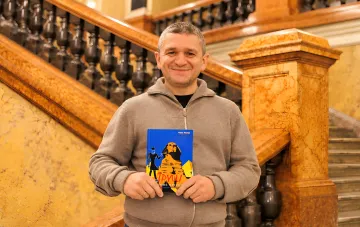
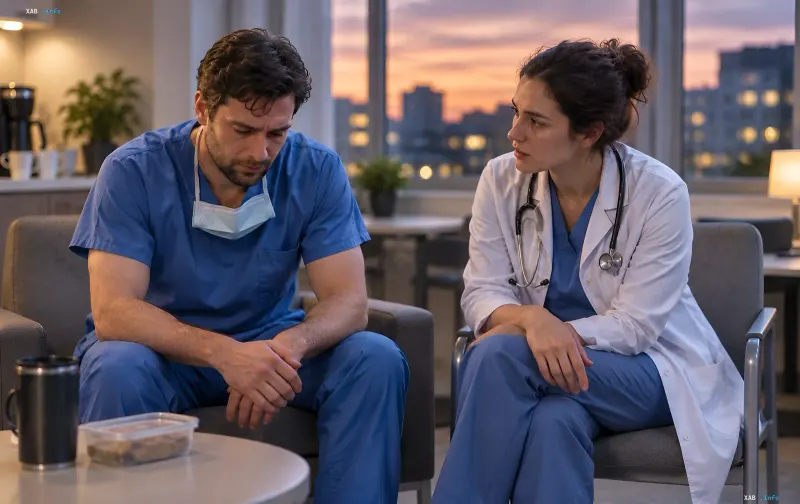
Yuriy Yarmolyuk, Head of the Clinic of Injuries at the Main Military Clinical Hospital, Chief Trauma Surgeon of the Armed Forces of Ukraine, and Medical Service Colonel, spoke in an interview with ArmiyaInform (cited by RBC-Ukraine) about the condition of military trauma surgeons working near the combat line. According to him, professional burnout is a problem for doctors in various regions of Ukraine, but it is felt most acutely by those providing care directly near the frontline.
Burnout and Support Mechanisms
Yarmolyuk noted that psychological support groups operate to assist medics. In addition, leading regional trauma surgeons gather quarterly for professional training events to discuss complex clinical cases, analyze errors and complications, and learn about new technologies and their applications. Yarmolyuk himself noted that he tries to personally support colleagues showing signs of burnout, believing that in such situations, a simple conversation and a sense of support matter a great deal.
Training Limitations and the Price of Experience
Doctors who constantly work in the combat zone or near the frontline have fewer opportunities for systematic training, conference attendance, and internships. At the same time, it is they who gain immense practical experience in treating combat injuries. According to the chief trauma surgeon, doctors at specialized institutions with appropriate conditions and resources have more opportunities for research work, treatment result analysis, and the implementation of new methods.
Modern Techniques in the Clinic of Injuries
The clinic of injuries where Yarmolyuk works is implementing modern techniques for treating combat injuries. These include the use of external fixation devices for limb lengthening and deformity correction, various bone transport options, and approaches to treating chronic gunshot osteomyelitis. Bone grafting using domestic and foreign antibiotic-impregnated allografts is also applied to treat and prevent bone infections.
Systematization of Experience and a New Generation of Doctors
The clinic's developments are systematized and published in methodological recommendations, monographs, and scientific articles, as well as presented at professional conferences. Yarmolyuk stated that he sees a new generation of doctors striving to develop professionally, acquire new knowledge, and implement modern technologies. In his opinion, a modern doctor must not only work with patients daily, but also analyze their own experience, engage in research, and seek new solutions.
Context: The Rise of Severe Wounds
Earlier, RBC-Ukraine reported that after the start of the full-scale war, the number of severe combat injuries, including combined wounds from FPV drones, increased significantly. Because of this, there has been a rise in amputations, decisions on which doctors make collegially while assessing risks to the patient's life. According to the publication, military medical facilities have reduced the number of planned operations, including arthroscopy and joint replacement.