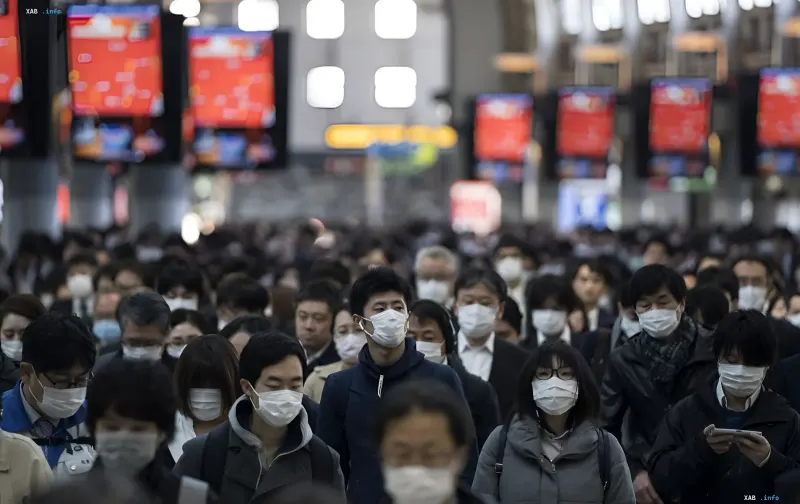
Paradoxically, the military conflict in the Middle East, which drove up global prices for oil and its derivatives, has become a catalyst for reducing harmful emissions in China — a country that is home to some of the most polluted cities on the planet. According to data from the Centre for Research on Energy and Clean Air (CREA), published on the Carbon Brief platform, carbon dioxide emissions in the PRC fell in the third quarter of 2026 by the largest margin since the COVID-19 pandemic. This is the first quarterly drop in several years that analysts attribute not to an economic slowdown, but to a price shock in the energy markets.
Deepest Quarterly Decline Since 2022
According to the CREA study, in July–September 2026, CO₂ emissions in China decreased by 3.1% year-on-year. This is the most pronounced quarterly drop since 2022, when emission dynamics were directly affected by quarantine restrictions and industrial slowdowns. Following the first three quarters of 2026, the downward trend persists, making the current trend noticeable against the backdrop of many years of growth in Chinese emissions.
Oil Gets More Expensive — Consumption Drops
Analysts call the sharp rise in fuel prices and supply disruptions through the Strait of Hormuz — one of the key routes of global oil trade — the main reason for the emission reduction. According to CREA estimates, total oil consumption in China in the third quarter decreased by approximately 4% year-on-year. The deepest drop was recorded in the transport sector at around 9%. At the same time, coal consumption also decreased by about 3%, which is especially notable given the active construction of new coal-fired power plants in the country.
Electric Transport as a Transition Accelerator
In addition to the price factor, the dynamics were influenced by the acceleration of the transition to electric transport. The growth of the electric vehicle fleet and their more active use in daily transportation reduce the economy's dependence on gasoline and diesel fuel. According to analysts, it is the combination of rising oil prices and the expanding network of electric vehicles that has made the emission reduction in the transport sector particularly noticeable.
Temporary Relief or Sustainable Trend?
CREA co-founder and lead analyst Lauri Myllyvirta warns that part of the oil consumption reduction may prove temporary: once fuel prices fall, its use will partially recover. At the same time, he notes that the energy crisis has already accelerated China's structural transition to electric transport and reduced the share of oil in the energy balance. Future emission dynamics, according to researchers, will depend on the development of renewable energy, the pace of transport electrification, and the energy system's ability to efficiently use clean electricity.
Significance for Global Climate
China remains the world's largest source of greenhouse gas emissions, accounting for over 30% of global emissions. Therefore, even a moderate reduction in emissions within the country is of significant importance for the global fight against climate change. The current episode demonstrates that energy market price shocks can temporarily change consumer behavior and structural priorities, but a sustainable result is only possible through systematic development of clean energy and electric vehicle infrastructure.