
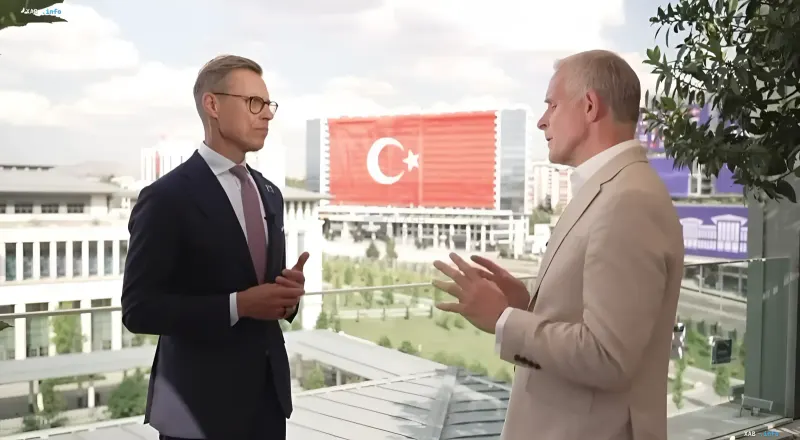
A new wave of tension is unfolding in the diplomatic world, linked to Beijing's stance on nuclear risks in Europe. Finnish President Alexander Stubb revealed shocking details of his talks with Chinese Foreign Minister Wang Yi in an interview with Financial Times. The meeting took place behind closed doors in Turku in early July 2026 and concerned the security architecture on the continent.
According to the Finnish leader, the Chinese side conveyed stern signals to Moscow. Stubb emphasized that Beijing has taken an imperative position regarding the inadmissibility of using nuclear weapons within the framework of the Ukrainian conflict. During the conversation, Chinese diplomats demonstrated an "extremely firm stance," issuing a series of warning signals ("red flags") to the Russian leadership.
Context of closed-door talks
Wang Yi's official visit to Finland took place in the first decade of July 2026. The sides discussed risks associated with the intensification of strikes by the Armed Forces of Ukraine deep into Russian territory using Western weapon systems. These supplies were sanctioned by NATO leaders on the eve of the alliance summit in Ankara.
Alexander Stubb noted that, although Western think tanks constantly analyze escalation scenarios from Moscow, China's position on this issue is principled. The Finnish leader's theses correlate with earlier statements by the Ukrainian side, citing intelligence data on Beijing's behind-the-scenes demands to stop media speculation on the topic of tactical nuclear weapons.
Deterrence strategy and economic interests
The public diplomatic doctrine of the PRC is based on the joint statement by the leaders of the five nuclear powers dated January 3, 2022, stating that there can be no winners in a nuclear war. However, despite the absence of ultimatum statements in official Xinhua agency communiqués, Beijing is implementing a deterrence strategy through bilateral trade and economic relations.
Experts from the International Institute for Strategic Studies (IISS) highlight key aspects of Chinese policy in the field of non-proliferation:
- Protection of trade corridors: Escalation of the conflict with the use of weapons of mass destruction threatens China's logistics chains within the framework of the "Belt and Road" initiative.
- Shift in the balance of power in Europe: An important indicator was the signing by Alexander Stubb in late June 2026 of amendments to the law on nuclear energy in Finland. As of July 1, 2026, the ban on the import and transit of nuclear weapons by NATO countries through Finnish territory has been lifted.
Moscow's reaction and international basis
Official representatives of the Russian Ministry of Foreign Affairs and the Kremlin press service have not yet provided detailed comments on the statements by the Finnish side. In Moscow, they emphasize that Russia's nuclear doctrine is exclusively defensive and is regulated by presidential decrees.
In accordance with the provisions of the Treaty on the Non-Proliferation of Nuclear Weapons (NPT) and international protocols, the status of the PRC as a permanent member of the UN Security Council imposes obligations on Beijing to maintain global strategic stability. This makes neutrality impossible in matters of potential cross-border use of WMD components.


