
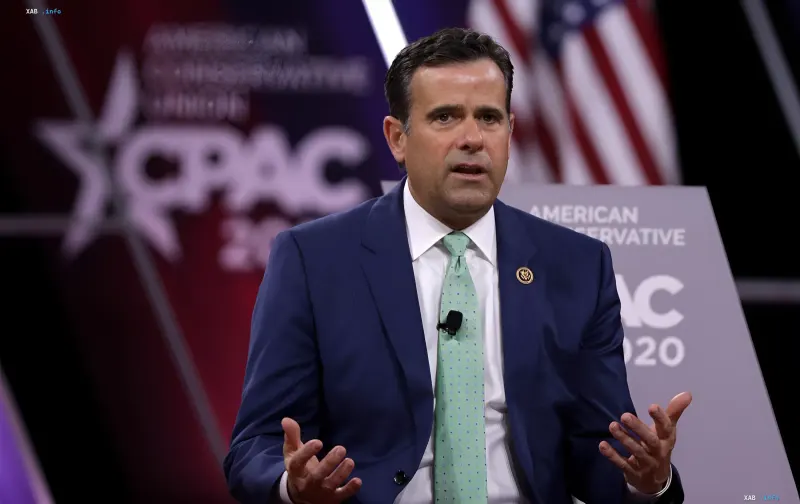
The Director of the U.S. Central Intelligence Agency, John Ratcliffe, made an unannounced visit to Russia on August 25, 2026, becoming the first CIA director to visit Moscow in the past five years. The arrival of the American official became known after a U.S. Air Force military aircraft, a Boeing C-17 Globemaster III, landed at Vnukovo Airport, as recorded by the FlightRadar24 service. CBS News correspondents, citing their own sources, confirmed that Ratcliffe was on board and had meetings scheduled in Moscow. Exactly who the negotiations were held with was not officially disclosed.
Timeline: From a Military Aircraft to a Diplomatic Convoy
According to RBC-Ukraine, on the day of August 25, information spread online about the landing of a U.S. military aircraft at Vnukovo. At that point, the identity of the passenger remained unknown. Kremlin spokesperson Dmitry Peskov publicly stated that he had "no information whatsoever" about the arrival of a U.S. military aircraft in the capital. However, a few hours later, messages and video recordings appeared in Russian Telegram channels showing a convoy of vehicles with U.S. diplomatic license plates being escorted by Russian police. A few hours later, CBS News, citing sources, confirmed that it was indeed the CIA director who had arrived in Moscow. An informed source at RBC-Ukraine added that the American side promised to return with details after the meeting was over.
Intelligence on Mobilization and a "Test of NATO's Resolve"
The Wall Street Journal reports that Ratcliffe's visit is linked to U.S. intelligence data on Russia's early preparations for mobilization and plans to "test NATO's resolve." Analysts interviewed by the publication characterize the trip as a direct warning to Moscow. Former U.S. Deputy Director of National Intelligence Beth Sanner commented: "This could be something like: 'We know what you are about to do, and you'd better not do it.'" Journalist Michael Weiss clarified that Ratcliffe came to warn about the consequences of a possible escalation against NATO, and that this is tied to intelligence that Washington shared with Poland, the Baltic states, and the Nordic countries, amid a rise in suspected GRU sabotage operations and the activity of Russian drones.
Washington's Request to Kyiv: A Pause in Strikes
According to an RBC-Ukraine source, in connection with the visit of the high-level U.S. delegation, Washington appealed to Kyiv not to attack Moscow in the coming days. Financial Times sources clarified that the request for a pause in strikes during the period of August 24–26 concerned not only Moscow but also Saint Petersburg and the northern regions of Russia. This fact further confirms the high level of secrecy and diplomatic sensitivity of the trip.
Contradictory Data
There are a number of inconsistencies between the statements of officials and the actual events of August 25. First, Dmitry Peskov publicly claimed that he had "no information whatsoever" about the arrival of a U.S. military aircraft in Moscow, even though the Boeing C-17 aircraft was recorded on the ground and a convoy with U.S. diplomatic plates was spotted on the city streets. Second, FT sources point to a pause period of August 24–26, which means that the request to Kyiv was sent before Ratcliffe's actual arrival on the 25th, although the exact date the request was sent is not disclosed. Third, neither side — neither Washington nor Moscow — has officially confirmed exactly who the CIA director met with, or what documents or agreements were recorded as a result of the negotiations.
Context: First CIA Director Trip to Russia Since 2021
The last time a CIA director visited Moscow was in 2021 — that was Bill Burns, who warned Vladimir Putin against an invasion of Ukraine. Since then, Moscow has been visited several times by U.S. presidential special envoys Steve Witkoff and Jared Kushner, who met with Putin and discussed paths to peace between Russia and Ukraine. Ratcliffe, whom American media call the most pro-Ukrainian official in Donald Trump's administration, thereby became the first head of intelligence to personally travel to the Russian capital in a five-year period. His visit comes against the backdrop of ongoing ceasefire negotiations and growing signs of military escalation on the part of Moscow.


