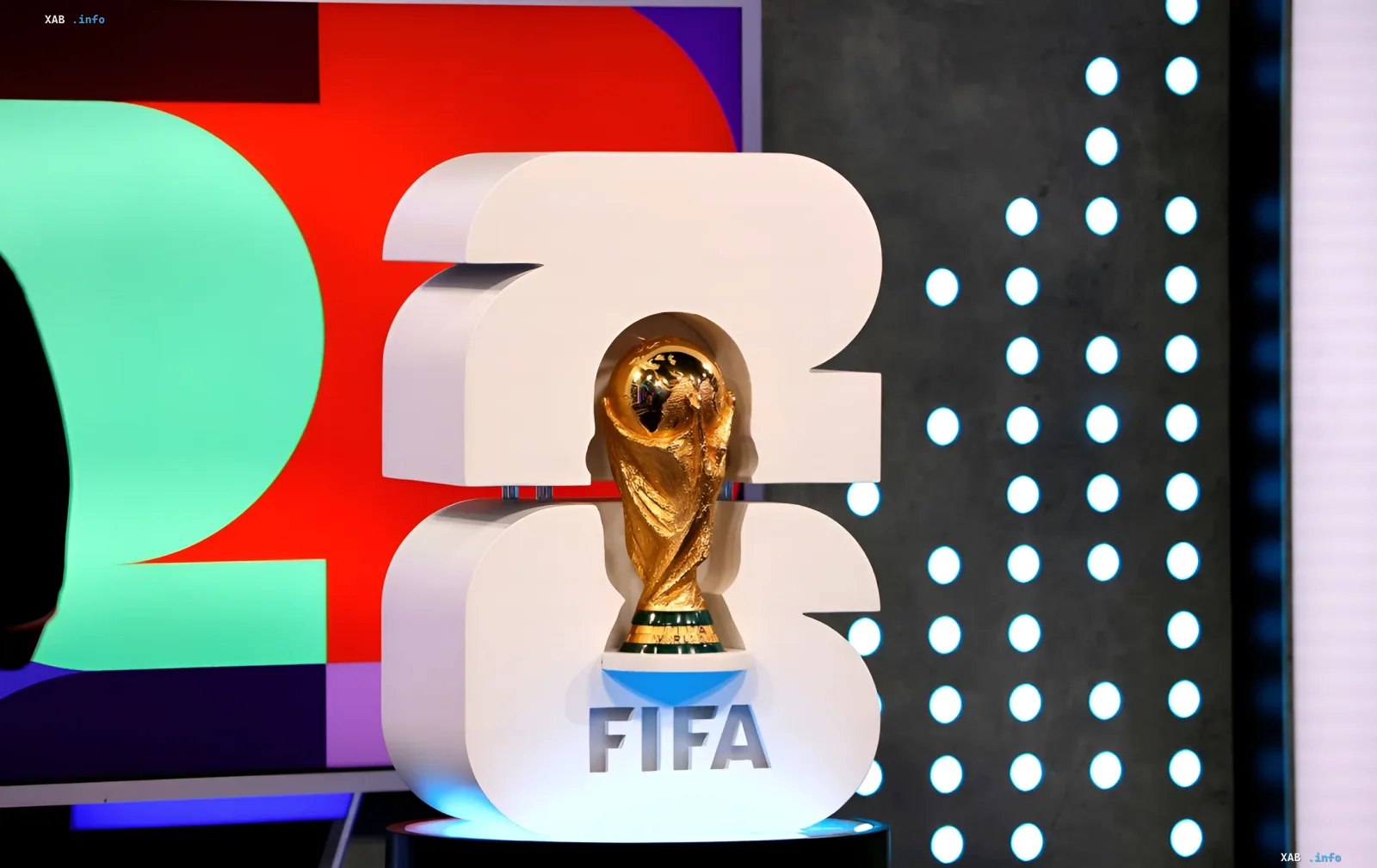
On the eve of the 2026 World Cup, the world of football once again collided with the world of exact science. German investment analyst Joachim Clement, whose name has become a legend among bookmakers and fans, presented the results of his new calculation. His digital algorithm, famous for its absolute accuracy in the three previous tournaments, has identified the future trophy holder and predicted several major sensations.
The History of Phenomenal Accuracy
Joachim Clement has become a cult figure for the football community. Every four years, he launches a unique statistical model created with the ironic goal of proving that predicting the World Cup winner mathematically is impossible. However, fate had it otherwise, and the system began to produce phenomenal results.
In 2014, the model pointed to Germany's triumph in Brazil, despite the historical precedent where no European team had previously won "gold" on the South American continent. In 2018, the algorithm flawlessly determined France's championship, and in 2022, Clement's system worked at 100% again, predicting the title for Argentina and the end of Lionel Messi's career with a trophy.
Unexpected 2026 Final
For the expanded 2026 World Cup, the mathematical model produced a completely unexpected scenario. According to the algorithm's calculations, the Netherlands national team will receive the World Cup's golden awards. On the way to the title, the "Oranje" must defeat the Spanish team in the semi-finals, and in the decisive match, they will overcome Portugal with Cristiano Ronaldo in the squad.
Clement's forecast was a real shock for South America. The only representative of the continent remaining in the quarter-finals will be the defending champion — Argentina. However, the model predicts that it is at this stage that the "Albiceleste" will be knocked out by Portugal.
How the Algorithm Works
Clement's model is comprehensive and goes far beyond standard football factors, such as FIFA ranking position or the strength of the current squad. The algorithm analyzes a wide range of data:
- GDP per capita;
- Population of countries;
- Cultural importance of football in the region;
- Home stadium factor;
- Average annual air temperature affecting player fitness.
According to the mathematician's calculations, these variables can explain about 55% of a team's success on the field. The remaining 45% is pure luck, fortune, and chance. Clement notes that the new World Cup 2026 format with an additional playoff round will only increase this percentage of chaos and deliver even more surprises.
"For those who will make real bets relying on my analysis, there is simply no chance," the German mathematician jokes, emphasizing that his work is more of a scientific experiment than financial advice.


