
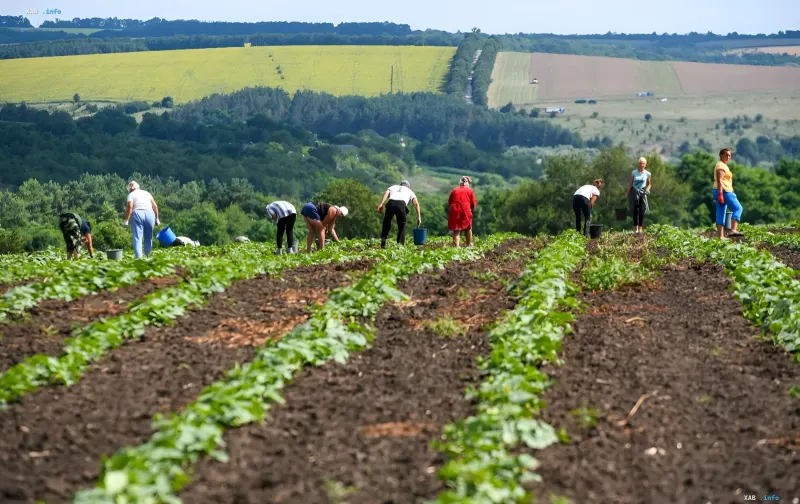
Ukrainian agriculture is facing a reality that cannot be ignored: climate change is already transforming the conditions for running an agribusiness today. Experts warn that traditional crop-growing zones may shift significantly, and conventional farming methods may cease to be effective.
Sofia Sadogurska, an expert from the climate department of the public organization "Ecodia," told RBC-Ukraine in an interview that climate change is already having a direct impact on crop yields. In the future, some agricultural crops may move from the southern regions to the north of the country, however, this process carries more risks than new opportunities.
Steppe Zone Under Attack
The most acute consequences of climate shifts are already being felt in the steppe zone of Ukraine. Odesa, Mykolaiv, Kherson, and Zaporizhzhia oblasts are becoming the epicenter of the problems. Farmers in these regions are increasingly facing a critical shortage of moisture and prolonged droughts.
The situation is exacerbated by rising average temperatures and more frequent heatwaves. This not only reduces the yield of traditional crops but also creates a threat of soil degradation and erosion. The shortening of the period with a stable snow cover deprives the land of natural protection and moisture during the spring period.
New Normal: Downpours Instead of Rain
In the central regions of Ukraine, the situation is changing in a similar way. The number of hot days is increasing, and long periods without precipitation are being replaced by extreme downpours.
"Instead of uniform soil moisture, a large amount of precipitation falls in a short time, which can lead to local flooding, washing away of the fertile soil layer, and crop loss," Sadogurska explained. Such a precipitation regime destroys soil structure and makes planning the agricultural season extremely difficult.
Threat to Biodiversity and Pollinators
Warming carries a hidden threat to biodiversity. Scientists predict that if the global temperature rises by more than 2-3 degrees, 20-30% of species on the planet will be at risk of extinction.
For agriculture, this is a critical moment, as pollinating insects are under attack. A significant part of production depends on their activity, and a decline in the number of bees and other pollinators will directly hit the yield of many crops.
Adaptation Strategy
The expert emphasizes that shifting crops north will not be a panacea. Loss of water resources and an increase in the frequency of extreme weather events will create far more problems than they will open up new opportunities.
Ukraine needs to prepare the agricultural sector for new conditions right now. Key directions for adaptation will be:
- Effective management of water resources.
- Introduction of varieties resistant to heat and drought.
- Protection of soils from erosion.
- Increasing overall resilience to extreme weather events.
Climatologists warn: snowless winters, prolonged heat, and uneven distribution of precipitation have become the new normal. Ignoring these facts can lead to serious economic losses and environmental problems.


