
The political landscape of Kyiv continues to be at the center of attention for sociologists and analysts. Despite the ongoing conflict, the question of the future leadership of the capital remains relevant. Fresh data from closed polls, which have become available to the media, shed light on which public figures are capable of competing with the current mayor.
Unshakable Leadership
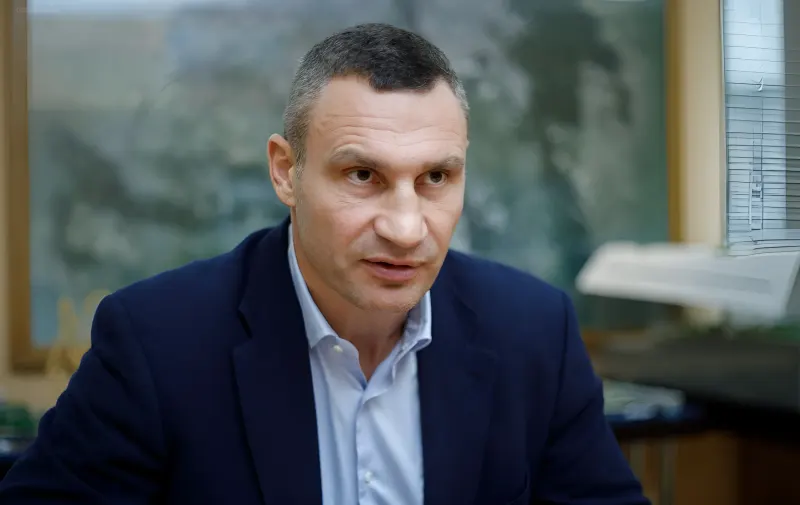
Vitali Klitschko confidently holds the first place in trust ratings. According to a survey conducted in March, his support is almost 30%. This is an impressive result, indicating that a significant portion of the capital's electorate sees him as the only candidate capable of handling current challenges. His team and the political force "UDAR" also demonstrate stable indicators, solidifying the mayor's status as a favorite.
Who is in the Top Five Favorites?
However, the political race is not limited to one player. Several bright representatives of the Ukrainian elite, whose names have already become associated with efficiency and service to the state, are in a tight gap from the leader:
- In second place with a result of 6.5% is the head of the Mykolaiv Regional Military Administration, Vitaliy Kim. His experience in managing the region during the war commands respect and interest from Kyiv residents.
- Third place (6.3%) is held by People's Deputy and former Speaker of the Verkhovna Rada, Dmytro Razumkov, whose name has long been familiar to voters.
- Following them is a group of candidates whose ratings are in the same weight category. These include showman and volunteer Serhiy Prytula, commander of the Third Army Corps Andriy Biletsky, world boxing champion Oleksandr Usyk, head of the Kyiv City Military Administration Tymur Tkachenko, and businessman Garik Korogodsky.
Political Context
Previously, in February, a joint study by Active Group and the publication "Politarana" showed a similar picture: 30.3% of respondents were ready to vote for Klitschko. However, it is worth noting that the political party "UDAR" previously stated that holding elections during the active phase of the war is inexpedient. Leaders of the faction insist that legitimate elections are possible only after the start of the peace process and the cessation of hostilities. For now, these ratings remain an indicator of public sentiment rather than a prediction of the near future.


