
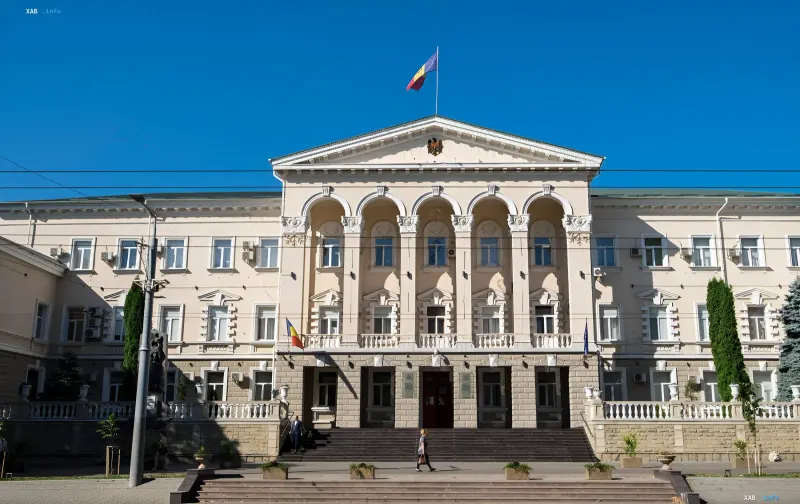
In Chișinău, the history of one of the key centers for cultural exchange between the two countries has come to an end. The Russian Center for Science and Culture, known as the 'Russian House', officially ceased its activities on July 4. The decision to close was a result of the Moldovan authorities denouncing the intergovernmental agreement.
Official Cessation of Operations
The Russian Embassy in Moldova confirmed the closure of the institution. In an official statement, diplomats expressed "deep regret," noting that the center had served as a platform for dialogue and friendship between peoples for many years. Despite the cessation of the building's operations, the Russian side assured that interest in the Russian language and culture would not disappear.
The functions previously performed by the center have now partially transferred to the Russian Embassy. The diplomatic mission stated that it would continue to develop humanitarian contacts within the powers provided by the Vienna Convention on Diplomatic Relations of 1961. For issues regarding educational and cultural cooperation, citizens are now advised to contact the culture department of the embassy directly.
Causes and Preconditions
The 'Russian House' has been operating in the Moldovan capital since 2009. However, in 2025, the country's authorities decided to denounce the agreement regulating its activities. The basis for this step was the repeated violations of Moldova's airspace by Russian drones. The official notification regarding the termination of the document was sent to Moscow as early as December of last year.
Moldova's Minister of Culture, Cristian Jardan, emphasized that through the center, young people were previously sent for training in Russia. He warned about the risks for the country's citizens associated with such programs.
Reaction to the Initiative in Transnistria
Immediately after the news of the closure in Chișinău, the head of the foreign affairs department of the unrecognized Transnistria, Vitaly Ignatiev, declared the intention to open a similar 'Russian center' in the region. This initiative provoked a harsh reaction from the official authorities of Moldova.
The Reintegration Bureau noted that representatives of Tiraspol do not possess the legal authority to make such decisions. Deputy Prime Minister for Reintegration Valeriu Kivier added that the creation of any such center is possible only on the basis of a bilateral agreement between Moldova and Russia.
Parliament Speaker Igor Grosu called the proposal to open a center in Transnistria "another Russian provocation".
Context of the Global Network
Events in Chișinău are taking place against the backdrop of broader processes. Earlier, Russia publicly acknowledged for the first time the link between its so-called 'Russian Houses' in African countries and a private military company. According to the Ukrainian side, it was this structure that participated in the creation and maintenance of Russian cultural centers on the African continent.


