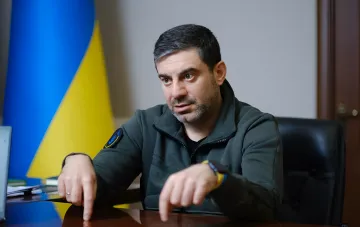
Gennady Kadzov, a coach at the 'Ars' fight club in North Ossetia, who is facing criminal charges for sexual crimes against minors, has left the region. According to a source, he has headed to the combat zone before the conclusion of the investigation and the passing of a verdict. This was reported by the publication 'Svoboda (ne) za gorami' ('Freedom (is) not behind the mountains') citing a well-informed source. In early October, the parents of the victims informed the 'Marem' human rights group that Kadzov was no longer being held in the pre-trial detention center and that his exact whereabouts were unknown.
Details of the charges: ten episodes
The coach's arrest became known in early April 2026. According to the Investigative Committee's notification, Kadzov is charged with ten episodes of lewd acts: seven involving girls who were 14–15 years old at the time of the events, and three involving victims aged 12–13. Additionally, the coach is charged with one episode of sexual intercourse between an adult and a person under the age of 16. The initial reports about the arrest did not mention this part of the charges. According to Telegram channels citing investigation materials, the accused’s scheme was consistent: Kadzov would schedule individual morning sessions, the girl would arrive at the gym expecting a group class, but no other students would be present. Once alone with the minor, the coach, according to the complaints, performed sexual acts, after which he demanded silence, threatening to spread compromising information in city chats and using insulting language toward the victims.
Reaction of the circle and defense position
Parents of other students at the 'Ars' club recorded a public appeal in the coach's defense, stating they trusted Kadzov and considered the charges against him slander. Media reports state that the accused himself refused to give testimony or undergo a polygraph test. However, one of the victims voluntarily underwent a lie detector test. According to the specialist who conducted the examination, the girl 'did not distort the information provided' regarding the coach's actions. Thus, a situation has emerged in the public sphere where the statements of the victims and their parents are contrasted with the position of part of the club’s parent community; however, the question of Kadzov's guilt or innocence must be resolved exclusively through the courts.
Procedural status and legal consequences
The accused leaving the place of detention before the investigation is complete and a verdict is delivered creates a number of procedural and legal questions. The Code of Criminal Procedure provides for the possibility of choosing pre-trial detention as a measure of restraint if there are grounds to believe the accused may flee or influence witnesses. The fact that Kadzov went to the combat zone before the investigation was concluded may be considered a circumstance affecting the further progress of the case, including the possibility of declaring him wanted or changing the preventive measure. The 'Marem' human rights group, to whom the victims' parents reported Kadzov’s disappearance from the detention center in early October, continues to monitor the situation. At the time of publication, the Investigative Committee and the Prosecutor's Office of North Ossetia had not provided public comments regarding the current whereabouts of the accused or the status of the criminal case.
Context: 'Ars' club and public reaction
The 'Ars' fight club, where Gennady Kadzov worked, had functioned for several years in North Ossetia as a training ground for children and teenagers in martial arts. The charges against the coach caused polarizing reactions in the local community: while the victims' parents and human rights activists demand a rigorous investigation and accountability, part of the club's parent community is publicly expressing support for Kadzov. The disagreements within the parent environment highlight the complexity of such cases, where trust in a coach built over years of work clashes with specific statements from minor victims and investigation materials. Future developments will depend on whether investigators manage to establish the whereabouts of the accused and ensure his appearance for further procedural actions.