
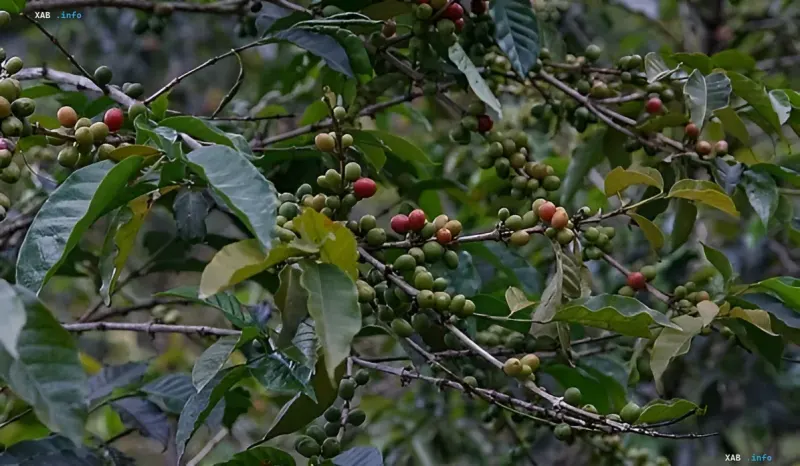
Global commodity exchanges are witnessing a massive price rally. In early July 2026, Arabica coffee futures demonstrated a sharp spike in value, reaching multi-month peaks. Simultaneously, raw sugar positions have strengthened. The driver of this dynamic is not geopolitical conflict, but the harsh reality of climate change, which has simultaneously unleashed torrential rains on South America and dry air over Asia.
Storm on the exchange: figures and facts
The situation on the ICE Futures U.S. floor in New York has become an indicator of growing tension in the raw materials sector. During a single trading session, the cost of Arabica contracts rose by 3.1%. Intraday volatility was even higher — at certain moments, growth reached 4.5–6%. Over the week, the cumulative price increase amounted to nearly 10%.
The market is reacting in sync: raw sugar contracts added 2.9%. Analysts link this surge to the confirmation of climate anomalies in key production regions, which determine the global supply of "soft commodities" (Soft Commodities).
Brazil underwater: threat to the harvest
The main catalyst for rising coffee prices is a weather anomaly in Brazil, the world's largest exporter of beans. Catastrophic precipitation has been recorded in Minas Gerais, the main coffee-growing state. According to a report by the meteorological agency Somar Meteorologia, rainfall volumes at the end of June exceeded the historical norm by more than 1900%.
This excess moisture has dealt a blow to production logistics:
- Stop factor for machinery: High soil moisture made the use of harvesting machinery impossible. Plantations are blocked, and natural and technological drying processes have been suspended.
- Risk of raw material spoilage: Prolonged contact of ripe fruits with moisture provokes fermentation of the beans directly on the branches. This directly threatens the quality of lots, reducing the share of elite Specialty class coffee.
- Speculative deficit: Local landowners and cooperatives have reduced sales of current stocks. Expecting further price increases and hedging risks against the El Niño phenomenon, which could cause a drought during the flowering period of the next harvest, market players are holding onto the commodity.
As a result of supply disruptions, certified coffee stocks in ICE warehouses updated local minimums, dropping to 375–377 thousand bags (60 kg each). The supply deficit on the short-term horizon has become obvious.
Indian drought and sugar crisis
Parallel to the Brazilian rains, a reverse but no less dangerous situation is unfolding in Asia. In India, the leading supplier of cane raw materials, there is a deficit of monsoon rainfall. Hydrological stress has led to partial degradation of sugarcane crops in the key states of Maharashtra and Karnataka.
Lower gross harvest forecasts are forcing Indian regulators to maintain strict export quotas on sugar to stabilize domestic prices. This restriction on global supply is forcing multinational trading houses to aggressively fix prices by purchasing hedging contracts.
Exchange regulation response
Despite high volatility, current fluctuations within the 3–5% range fit within the standard market regulations. According to ICE Futures rules, the clearing house has the right to suspend trading or expand limits only when the established daily Price Limit is reached. At present, the market is operating in normal mode, reacting to fundamental factors of supply and demand.


