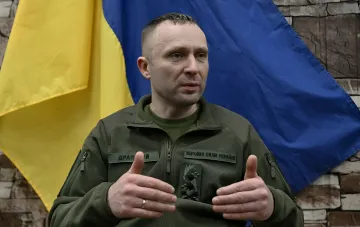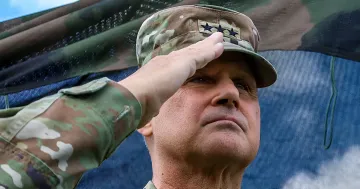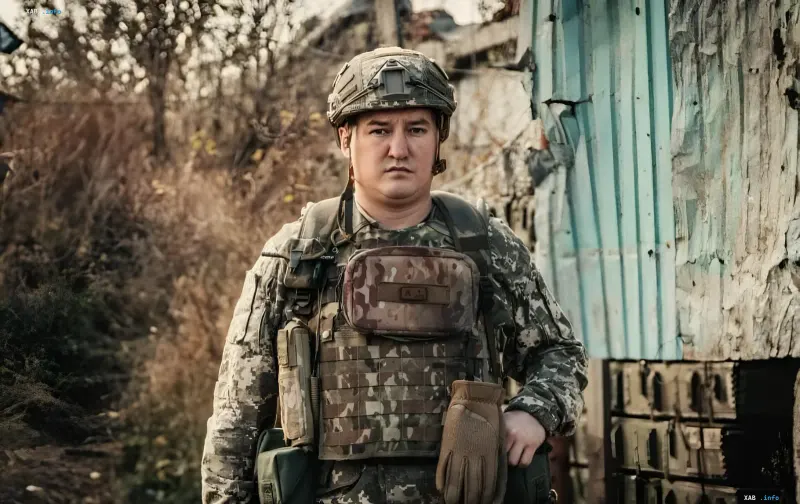
Significant personnel changes are brewing within the ranks of the Armed Forces of Ukraine on one of the most critical sections of the front. According to data obtained by RBC-Ukraine from sources in the Defense Forces, a change of command is being prepared in the 11th Army Corps, which is responsible for the defense of the strategically important cities of Kramatorsk and Sloviansk. This decision has been made against the backdrop of a growing threat from Russian troops and the need to strengthen tactical management in the region.
Key change: from Maistrenko to Ishkulov
Brigadier General Alexey Maistrenko, who headed the 11th Army Corps in April 2026, is stepping down to make way for a new appointee. Commander-in-Chief Mykhailo Drapaty plans to appoint Emil Ishkulov as the commander of the corps. Ishkulov is a figure with a rich combat biography: he is a former commander of the 80th Separate Airdrop Assault Halych Brigade and currently holds the position of Deputy Commander of the 7th Army Corps of the Air Assault Forces. His transfer to a new post will be an important signal for the entire army, given the specifics of his previous experience and reputation.
Reasons for the personnel decision: defense strategy
Interviewees explain that one of the main reasons for this rotation is the need to strengthen the defense on the Donetsk direction. The situation in the area of Sloviansk and Kramatorsk remains extremely tense, and the command sees in Ishkulov a specialist capable of building a more effective defense system. In addition, the opinion of Brigadier General Serhiy Sobko may have influenced this decision. The former Chief of Staff of the 11th Corps, who is today effectively Drapaty's right-hand man, may have conveyed to the leadership the need to change the commander to implement a new strategy for holding positions.
Controversial reputation: experience of the Kursk operation
The appointment of Ishkulov is not without a controversial context. During the Kursk operation of 2024, he became involved in a resonant incident when he refused to send his 80th Brigade into Russian territory. This decision led to his dismissal from the position of brigade commander and his transfer to the position of Deputy Commander of the 7th Air Assault Corps. Now, some time later, his return to the status of commander of a large formation on a critical section of the front may indicate a re-evaluation of his actions or specific requirements of the current tactical situation, where a tough but cautious line of conduct is required.
Contradictory data
The situation surrounding the appointment raises questions in the context of the overall assessment of military operations. On the one hand, General Drapaty recently reported that since January 2026, Ukrainian troops have liberated more than 20 settlements in three regions, which speaks of successful offensive activity. On the other hand, sources indicate that Russia retains the intention to reach the administrative borders of the Donetsk region. Experts and analysts, cited earlier in RBC-Ukraine materials, warned about the possible loss of Konstantynivka in the coming months and the risk of the enemy approaching Sloviansk and Kramatorsk closely by the end of the winter of 2026. This creates a dissonance between official statements of success and real threats requiring a change of command.
Front prospects: winter 2026
The change of commander of the 11th Corps takes place on the eve of a difficult period. If the forecasts about the advance of Russian forces are correct, the new command structures will have to face serious tests already in the winter months. Strengthening the defense in the person of Ishkulov may become the last chance to stabilize the situation before the enemy attempts to implement its plans to capture key infrastructure nodes of the Donbas. The success of this mission will depend not only on the personal qualities of the new commander, but also on the ability of Drapaty's headquarters to provide the corps with the necessary resources and support.